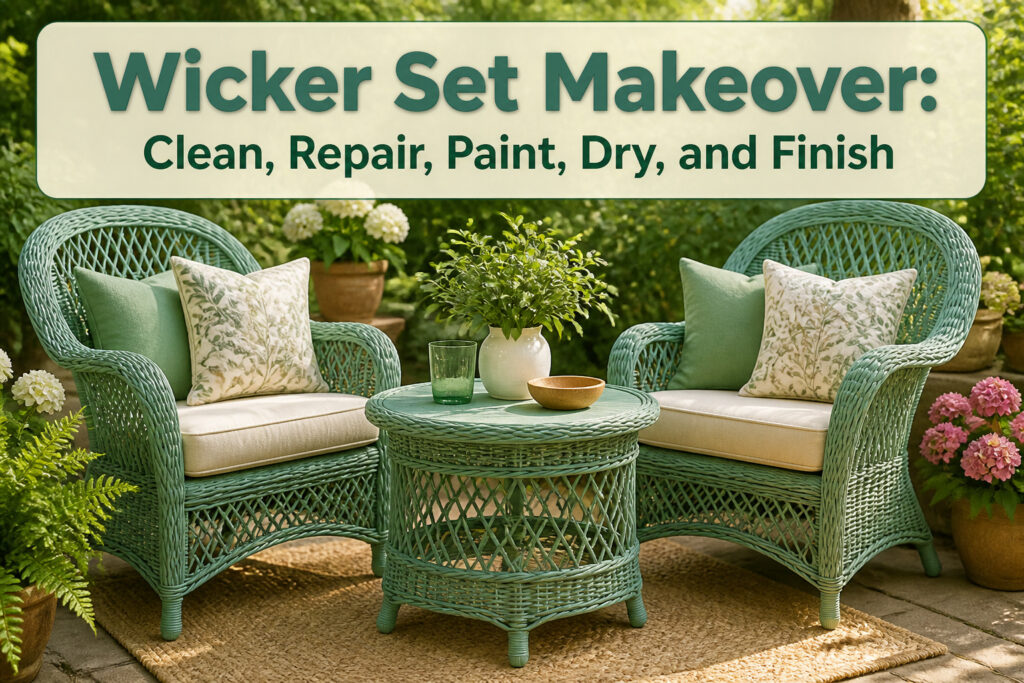
A wicker set makeover is the process of restoring outdoor or indoor woven furniture by cleaning, repairing damage, spray painting, and finishing with new cushions. The catch is that wicker drinks roughly three times the paint a flat surface would; two chairs and a table can swallow eight cans at about $5 each, and painters still run short. JB KwikWood epoxy putty, which sets in minutes and takes paint immediately, bridges the gap between cleaning and coating so loose strands do not crack the finish from underneath by midsummer.
Clean and Prepare the Furniture
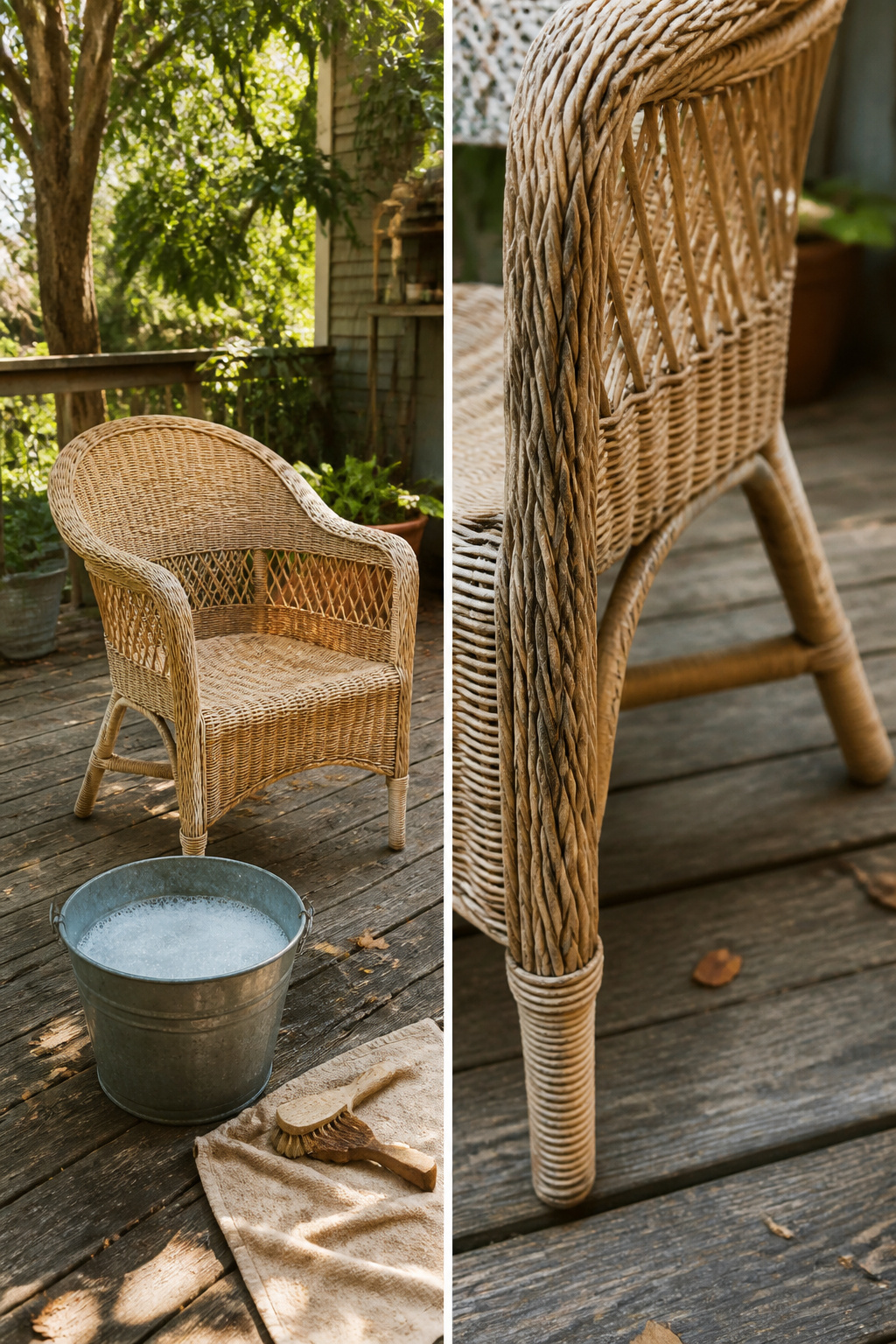
- Pressure wash or wipe down every surface to blast off dirt, dust, and any paint already flaking loose. Most guides treat this as the step that makes or breaks the whole job; skip it and the new coat sits on grime instead of wicker.
- Sand the rough spots and anywhere the old finish still shines. A dulled surface grips spray paint far better than a glossy one, and the few minutes with sandpaper here saves peeling later.
- Tighten strands that have worked loose, or trim them clean if they do not affect the overall structure. Loose wicker under fresh paint becomes broken wicker by midsummer.
- Run your hand over the frame once it is dry. Anything that snags now will telegraph through every coat that follows.

Ideal for use on interior/exterior surfaces including wood, plastic, plaster, metal, masonry and unglazed ceramic

Ideal for use on interior/exterior surfaces including wood, plastic, plaster, metal, masonry and unglazed ceramic

Made in United States
Repair Any Damage
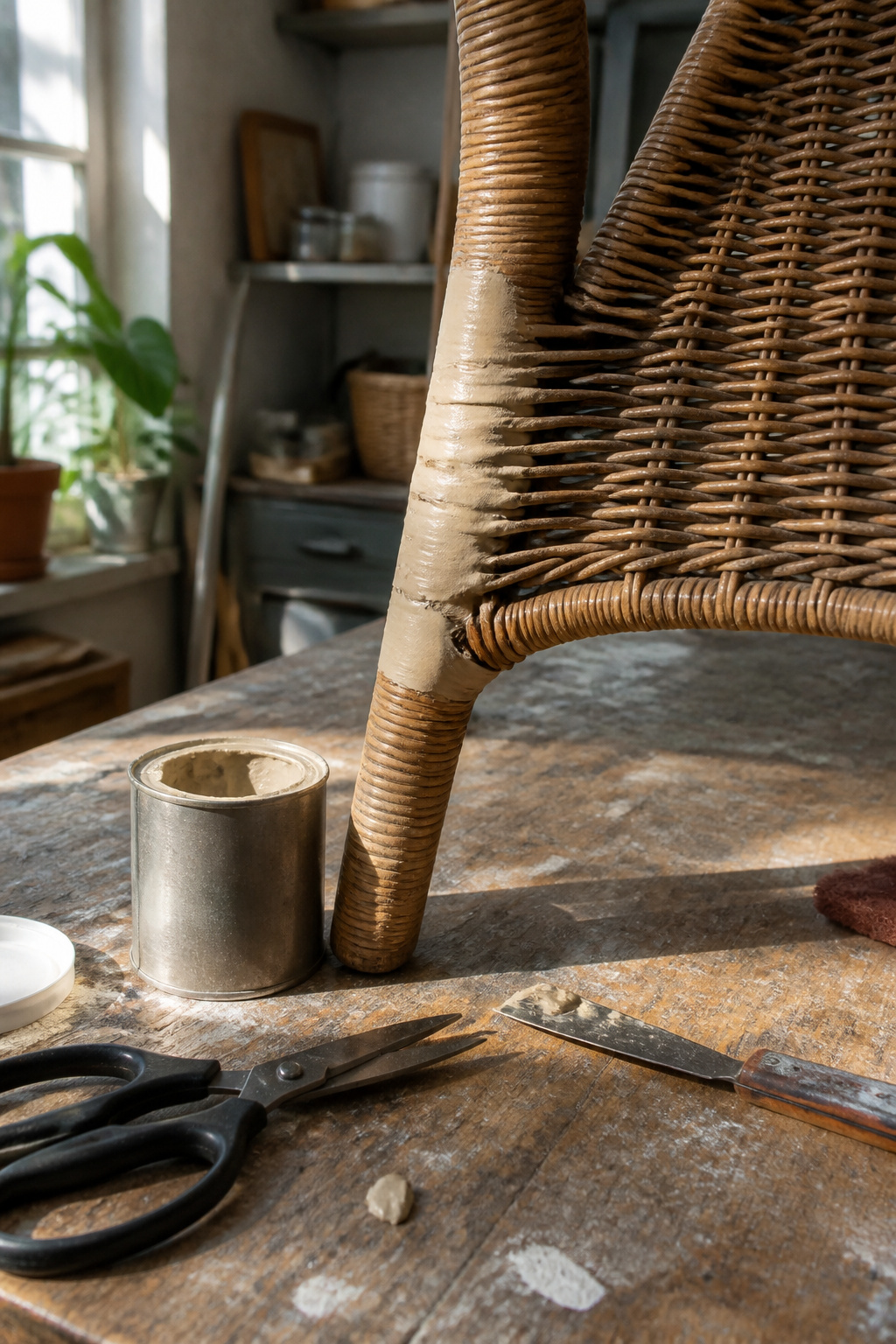
Loose wicker strands only get worse once paint seals them in place. Wood-repair epoxy putty like JB KwickWood fixes the problem in minutes and keeps a small gap from becoming a structural failure after you’ve already invested the weekend.
The putty works because it stays moldable long enough to shape into the weave, then sets fast enough that you can paint over it without losing a day. I press it into broken ends, wrap it around loose strands that still have some life in them, and clip off the ones that are too far gone. For larger holes in chair backs, the same material fills the gap and takes on enough texture to read like wicker once painted.
Skipping this step means a strand that moves after painting cracks the new finish, or a weak point collapses under weight six months later. The epoxy repair is the bridge between cleaning and painting; without it, the paint is just a coating over damage that keeps growing.

Ideal for use on interior/exterior surfaces including wood, plastic, plaster, metal, masonry and unglazed ceramic

Ideal for use on interior/exterior surfaces including wood, plastic, plaster, metal, masonry and unglazed ceramic

All-in-One Convenience:Combines paint and primer in one easy step, saving you valuable time and effort on preparation and application. No need for a separate primer coat.
Apply Spray Paint
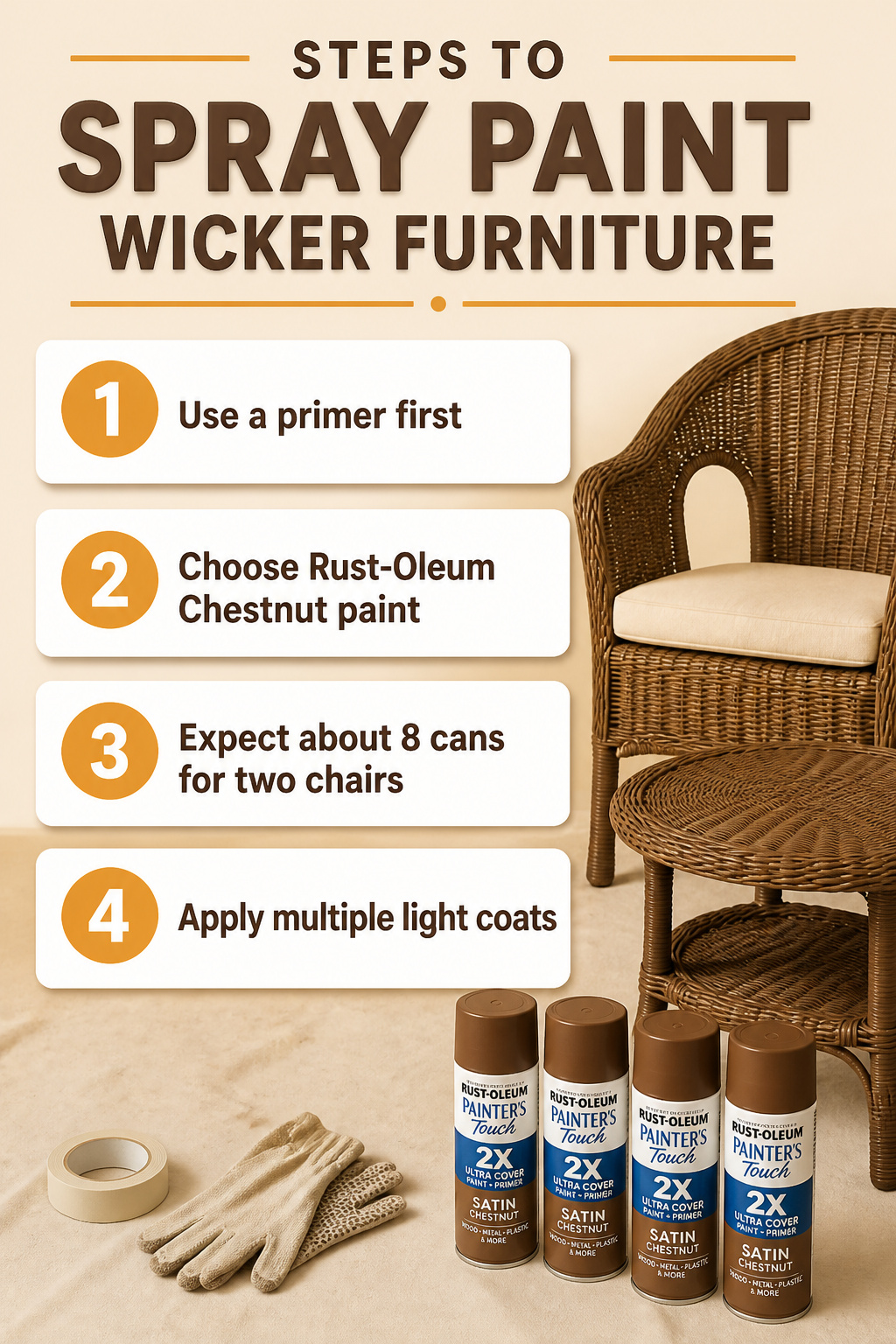
- Use a primer first, even if the can claims paint-plus-primer. Bare wicker soaks up a lot of paint, and the stuff that looks like primer in the paint itself is thin. A separate coat of actual primer, sprayed light and even, saves you cans later.
- Rust-Oleum Painters Touch in Chestnut is what I have watched people reach for on this project, though the color choice is yours. The point is the brand holds up: one blogger’s 2013 wicker job with this line lasted five years outside with no primer and no sealer, which is almost a warning and almost an advertisement at once.
- Expect about 8 cans for two chairs and a table, or roughly $35 for a three-piece set at around $5 per can. One person used 7 cans on a three-piece set; another used 8 on two chairs, one side table, and one coffee table, and still wished for two more. The surface area on wicker is deceiving. All those gaps and grooves add up.
- Multiple light coats beat one heavy coat every time. Spray from several angles so you do not leave dry strips down in the weave where a single sightline misses. Let each coat dry to the touch before the next, which with spray paint happens fast enough that you are not losing the weekend.

J-B WELD KWIKWOOD: A hand mixable two part epoxy putty stick that is formulated to repair and rebuild wood. J-B Weld KwikWood is designed for all wood household DIY repairs!
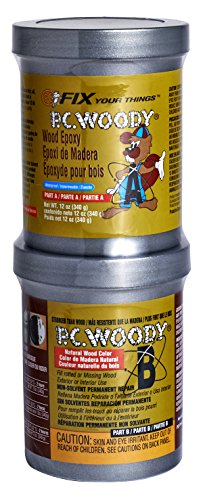
Two-part epoxy paste to replace missing or rotted wood is resistant to dry rot, UV light, fresh and salt water

Two-part epoxy paste to replace missing or rotted wood is resistant to dry rot, UV light, fresh and salt water
Dry Between Coats
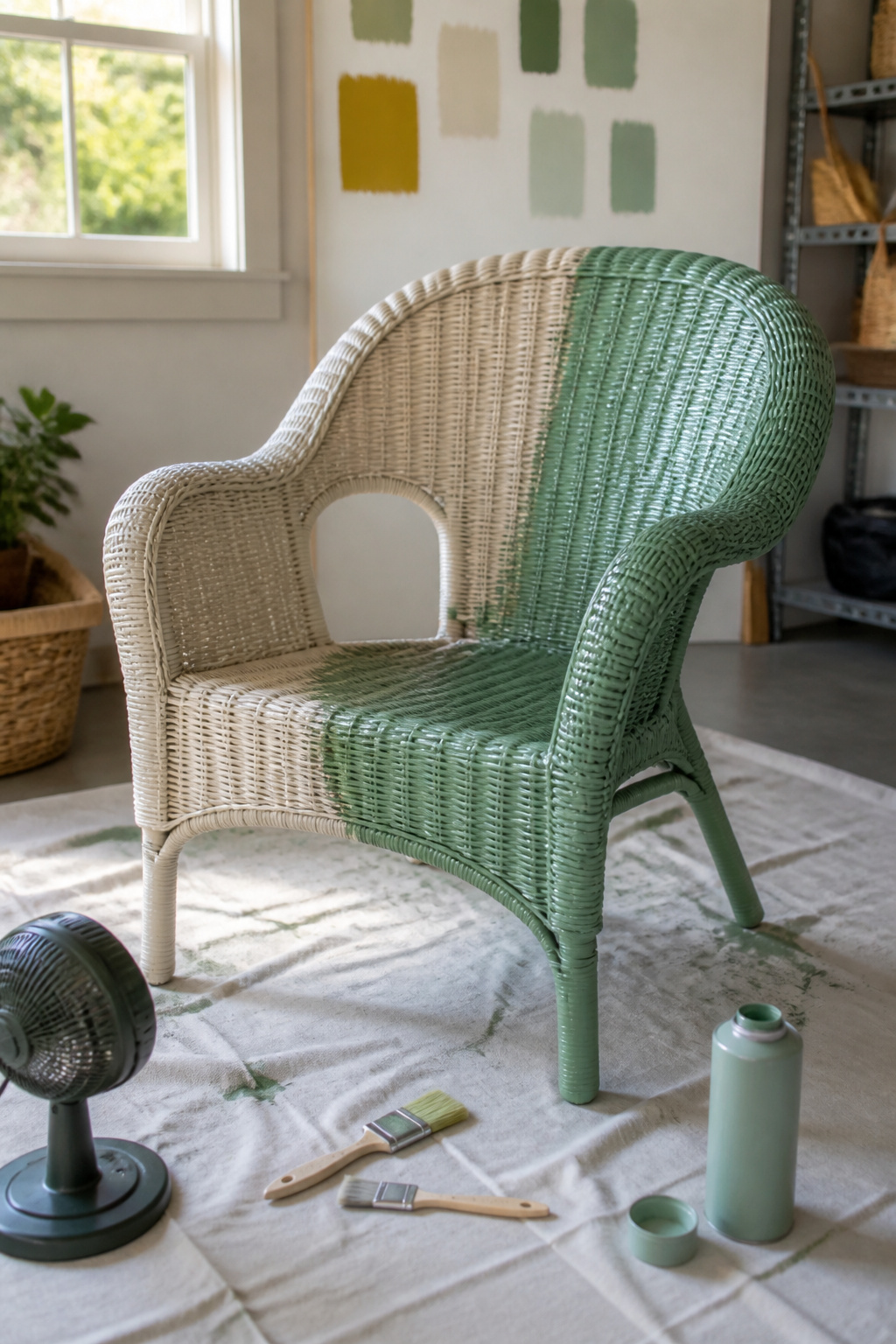
The second coat goes on smoother, but only if the first is actually done releasing its solvents. Paint that still has moisture underneath will grab the next layer and drag, leaving a tacky surface that looks fine for about forty-eight hours and then starts to spider-web with cracks. I’ve learned to check the underside of a rung or a hidden stretch of weave with the back of a knuckle; if it feels cool against skin, water or thinner is still evaporating out.
Rushing this step is where most weekend jobs fall apart. The top layer skins over and dries to the touch, so you assume you’re safe, but the film underneath stays soft for days. Later, when the set sits on a humid porch or takes a direct afternoon sun, that trapped solvent punches through and the finish lifts in sheets. A full overnight wait between coats, longer if the day is damp, is the difference between a finish that lasts seasons and one that peels before summer ends. The weave makes wicker harder to read than a flat board, so patience substitutes for what your eyes can’t tell you.

JB WOODWELD: Is a fast setting two-part epoxy system formulated for wood bonding and repairs. It provides a lasting permanent bond that is stronger than the wood!

★[COLOR]: This wicker replacemenet material is not monochromatic but gradiant dark brown with mixed color stripes. ''Gradiant dark brown'' means this wicker's color is not consistant in only one brown color but mixed with cappuccino brown and espresso brown, and these two brown colors gradually transitions along with the wicker strand.

★Color: mottled grey; Width ≈ 7mm; Thickness ≈ 1.1mm; Weight: 250 grams. Please note that the color of our plastic wicker may not be exactly the same as that of the wicker furniture you need repair. You can match the color of our plastic rattan with the color of the wicker furniture you need repair by spray painting.
Accessorize
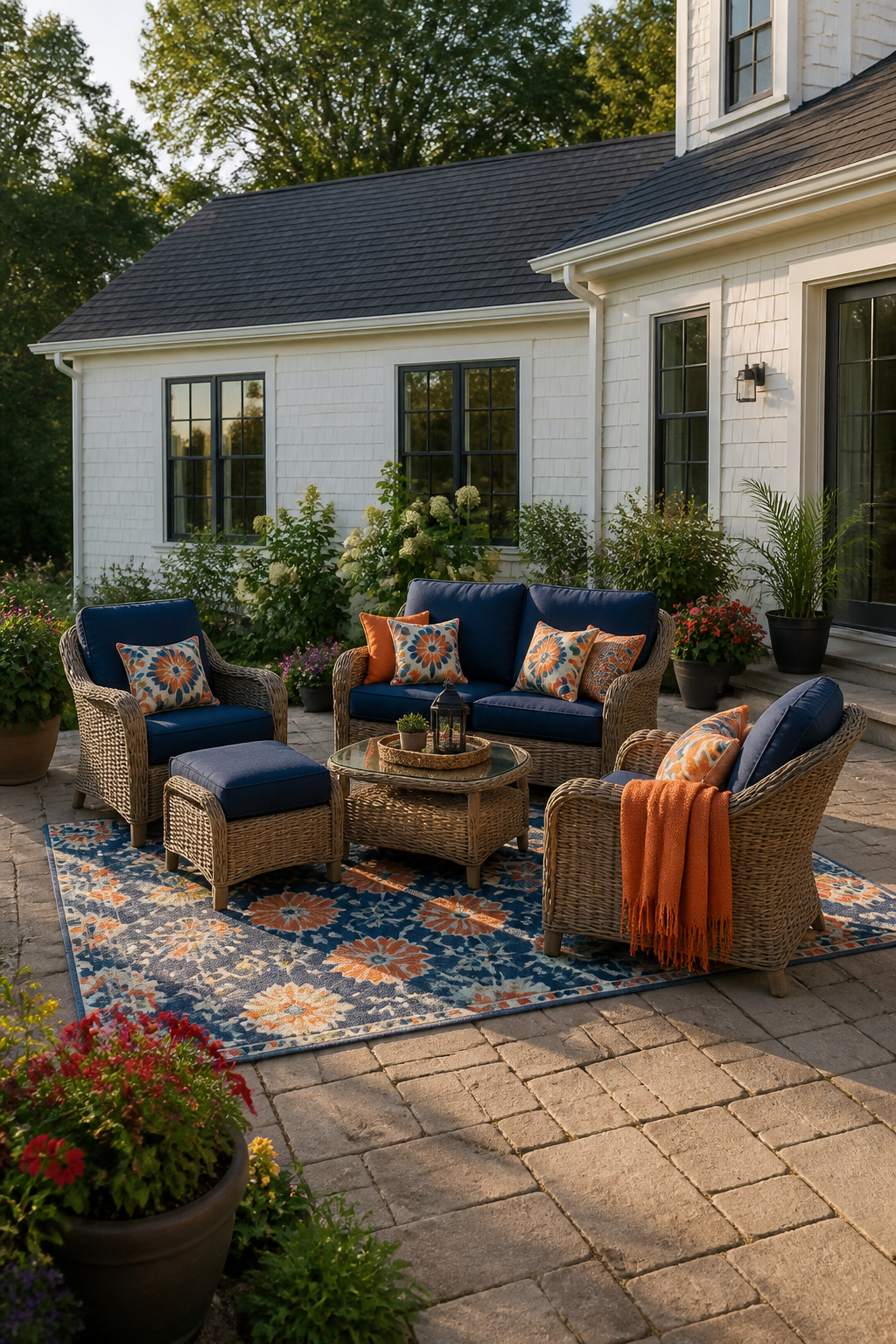
The paint is dry, but the wicker set still reads as yard-sale salvage until the seating itself changes. Custom cushions close that gap. Precision machine sewing and foam cut to the frame turn a repainted chair into something that actually gets used.
I learned this the hard way on a porch rocker I refinished two summers back. The old cushions went back on, and the whole thing looked like a frame with a paint problem rather than a finished piece. Replacing them with cushions built to the chair’s actual dimensions meant no more gaps at the arms, no more foam compressed to nothing. The set finally looked intentional.
Custom work matters most when the wicker frame is an odd size, which imports and older sets often are. Off-the-shelf cushions leave the corners hanging or the seat swimming, and that half-inch of visible frame ruins the effect. Professionally made replacement cushions get the fit right, and the foam selection lasts longer than the bagged sets from a big-box seasonal aisle.
For a tighter budget, a tablecloth and throw pillows can cover tired cushions, though the comfort stays what it was. Two ways to play this: custom cushions if the frame is worth keeping for years, or a quick textile swap for a single-season refresh before a bigger purchase.

Acrylic sealer spray provide a protective, clear finish
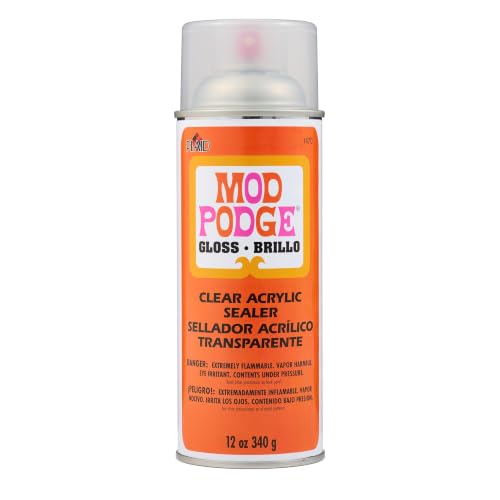
CONVENIENT SIZE - This 12 oz clear acrylic sealer is a must-have to your art supplies

Ideal for use on interior/exterior surfaces including wood, plastic, plaster, metal, masonry and unglazed ceramic
What You Need
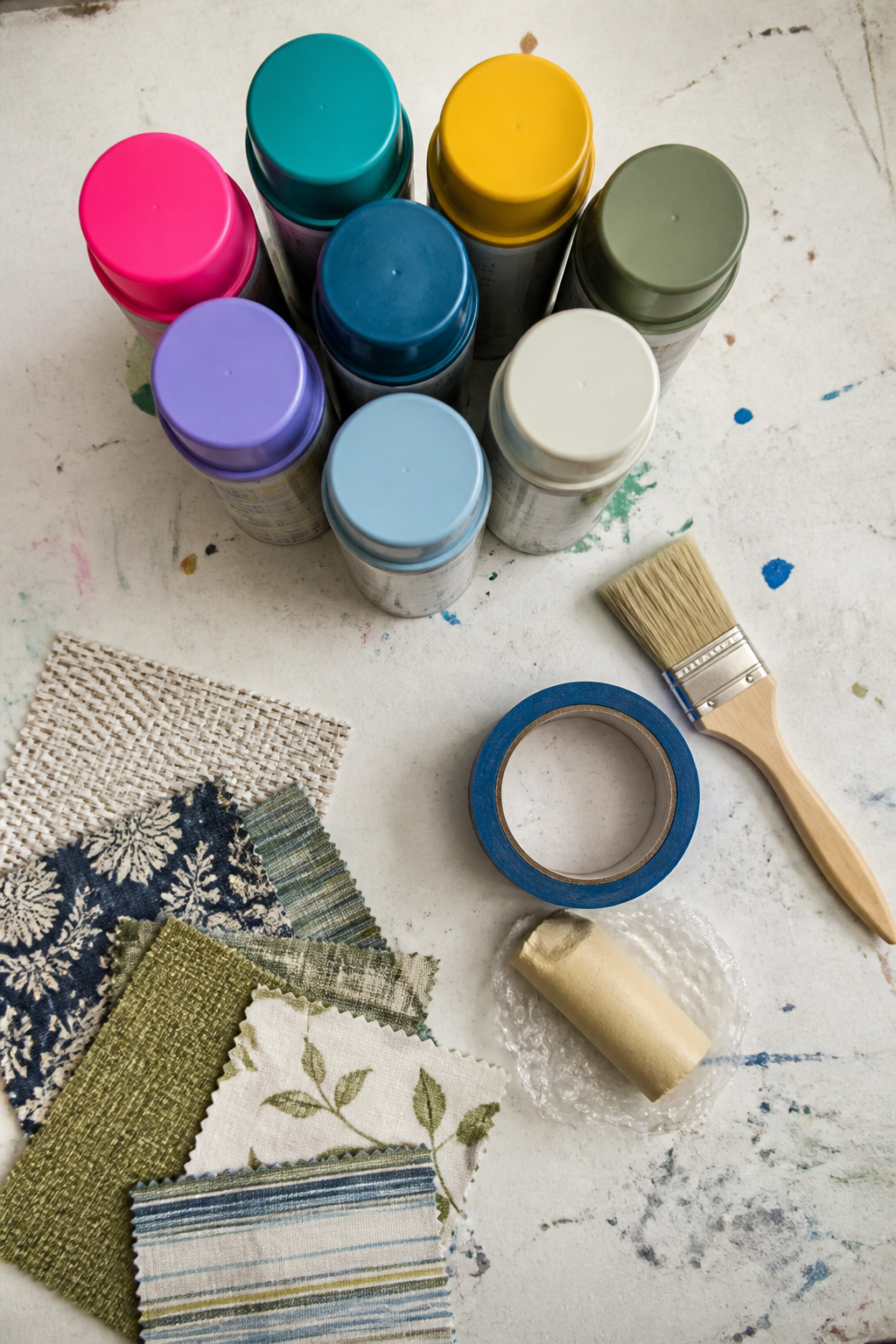
Spray paint goes faster than brushing, but the amount a wicker set drinks surprises almost everyone. The strands and weaves hide roughly three times the surface area a flat piece the same size would need. Two chairs, a side table, and a coffee table swallowed eight cans in one project I tracked, and the painter still wished for two more. Bare wicker soaks it up like a sponge, and switching from a dark original color to something lighter only deepens the thirst.
Wood repair epoxy putty fills the gap when strands are loose or a section has snapped clean through. JB KwikWood sets the standard here: it handles like modeling clay, hardens in minutes, and takes paint almost immediately. I have seen it used to rewrap a loose end back into place, patch a hole in a chair back, and even sculpt a passable imitation of the original weave pattern where a whole section was missing.
Cushions do the heaviest visual lifting of anything on this list. New fabric and fresh foam inserts turn a frame that is structurally sound into seating people actually want to use. Outdoor-rated patterns and colors that read against your landscaping matter more than matching the old look exactly.
Decorative accessories, planters, lighting, and outdoor rugs finish the scene, but they are the last step, not the first. The seating has to work before the atmosphere around it counts for much.

SPRAY PAINT AND PRIMER – Krylon COLORmaxx Spray Paint and Primer delivers premium coverage and superior color with adhesion and durability. This primer and spray paint can be used on wood, metal, wicker, most plastics, glass, plaster/ceramic and more.

Ideal for use on interior/exterior surfaces including wood, plastic, plaster, metal, masonry and unglazed ceramic

Revolutionary spray paint technology that provides exceptional coverage
Spray Paint or Brush
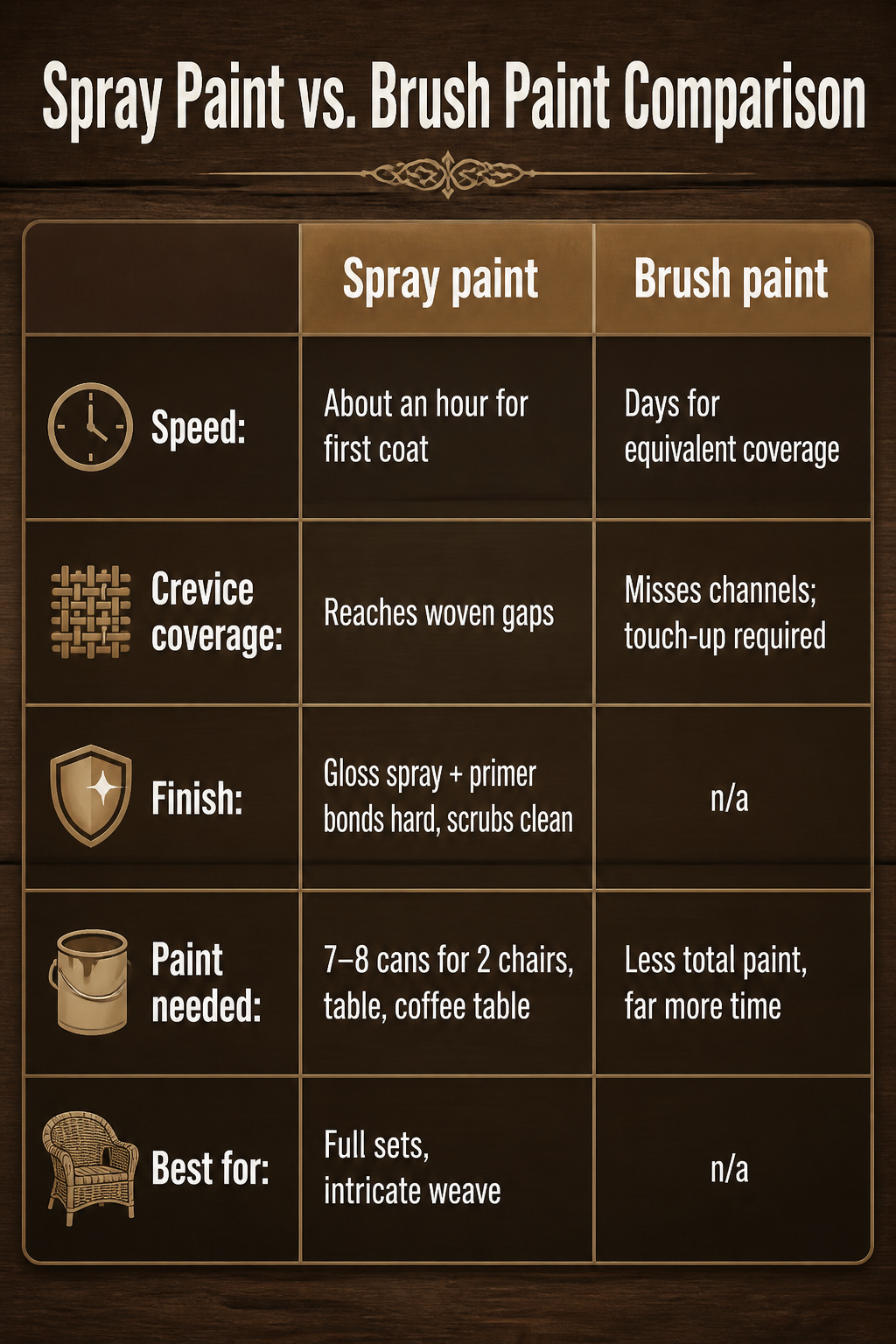
Brush paint on wicker is a lesson in patience that most people end up regretting. The bristles simply cannot push pigment into every woven channel, so you chase the same missed spots for hours while the paint skins over in your tray. Spray paint covers those gaps in minutes. One blogger spent what would have been days on a brush coat and finished her first spray coat in about an hour, though she did need several passes because white kept showing through from new angles.
The catch is volume. Wicker’s surface area is deceptive, and bare wood or old finish drinks paint. Expect to burn through cans: 7 to 8 cans covered a three-piece set for two different makeovers, and both writers wished they’d had more. At roughly $5 per can, that runs $35–$40 in paint alone. Still cheaper than replacement, but not negligible.
| Spray paint | Brush paint | |
|---|---|---|
| Speed | About an hour for first coat | Days for equivalent coverage |
| Crevice coverage | Reaches woven gaps | Misses channels; touch-up required |
| Finish | Gloss spray + primer bonds hard, scrubs clean | n/a |
| Paint needed | 7–8 cans for 2 chairs, table, coffee table | Less total paint, far more time |
| Best for | Full sets, intricate weave | n/a |
If you already own brush paint in the right color, you can try a hybrid: brush the broad flats, then spot-spray the undersides and tight corners. For a full wicker set makeover, though, spray wins on speed and coverage enough to justify the cost and the outdoor setup.

Ideal for use on interior/exterior surfaces including wood, plastic, plaster, metal, masonry and unglazed ceramic

Ideal for use on interior/exterior surfaces including wood, plastic, plaster, metal, masonry and unglazed ceramic
All-in-One Convenience:Combines paint and primer in one easy step, saving you valuable time and effort on preparation and application. No need for a separate primer coat.
Makeover or Replace
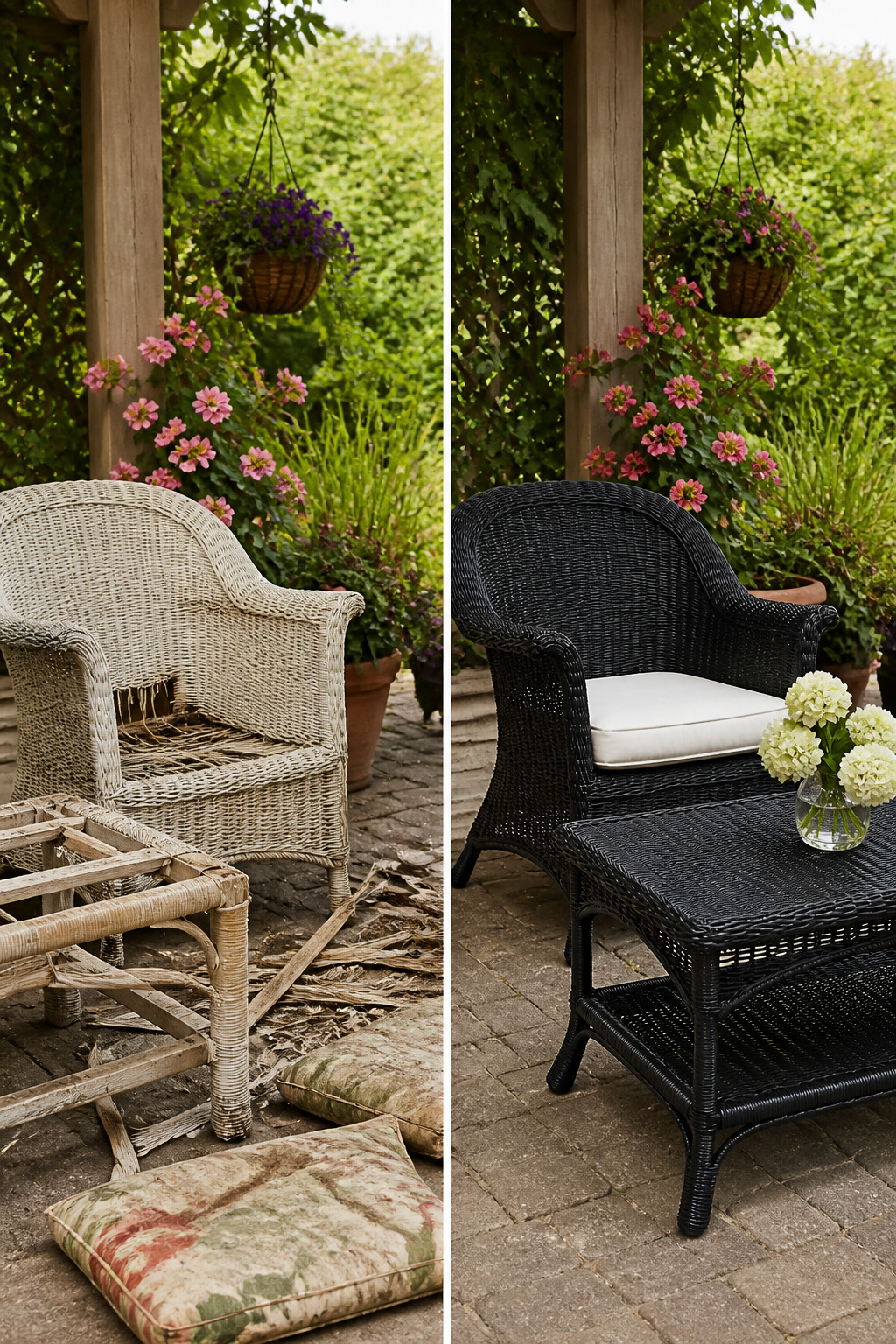
A new three-piece wicker set runs in the hundreds of dollars. Seven cans of spray paint, at about $5 each, run around $35. That gap is the whole argument for a makeover, especially when the frame is still solid and the weave just looks tired.
Renters and first-time owners working with a few hundred to a thousand dollars a year on hands-on projects need that math to hold. Paint and replacement cushions beat replacement furniture if the piece can last another three or five seasons. But the savings collapse if you sink three weekends into a frame that wobbles or cane that keeps snapping. Check the joints and the weave first. A quick wipe-down and a coat of black satin paint can turn a sofa the neighbors avoid into seating people actually use. Bold paint on a tired table does the same. The cost is low enough that a mistake is not a disaster, which matters when your budget does not have room for a second try.

J-B WELD KWIKWOOD: A hand mixable two part epoxy putty stick that is formulated to repair and rebuild wood. J-B Weld KwikWood is designed for all wood household DIY repairs!
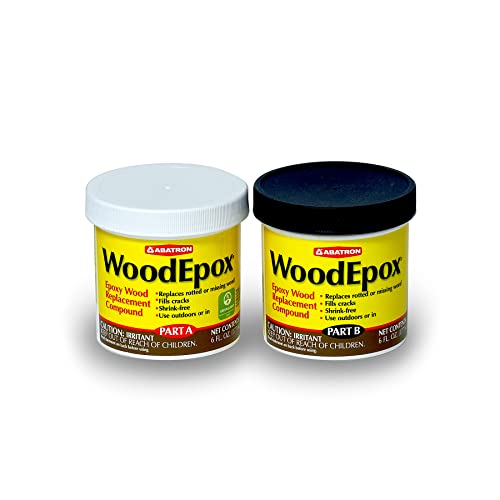
REPAIR DAMAGED WOOD: Fills and rebuilds missing sections to help restore windows, doors, trim, columns, posts, and other elements. Permanently repairs damage caused by weather, moisture, age, and pests.

Epoxy Putty Fast Repair Clay: Simply mix equal parts of A and B putty until the color becomes uniform. Easy to shape and apply for everyday repair projects
Frequently Asked Questions
What type of paint is best for wicker furniture?
Spray paint with a separate primer coat is the right choice for a wicker set makeover. Bare wicker soaks up so much paint that a dedicated primer base saves money and time compared to paint-plus-primer formulas. Brush paint struggles to reach every woven channel, while spray covers gaps in minutes.
How do you repair wicker furniture?
Wood-repair epoxy putty like JB KwikWood fixes loose or broken strands and fills holes in the weave. It stays workable long enough to shape into the pattern, then hardens fast enough to paint over without losing a day. Skip this step and loose wicker under fresh paint becomes broken wicker by midsummer.
How many cans of spray paint do I need for a wicker set?
Expect about 7 to 8 cans for a typical three-piece set, though one project used 8 cans on two chairs, one side table, and one coffee table and still wished for two more. Wicker hides roughly three times the surface area a flat piece the same size would need, and bare wicker drinks paint like a sponge.