
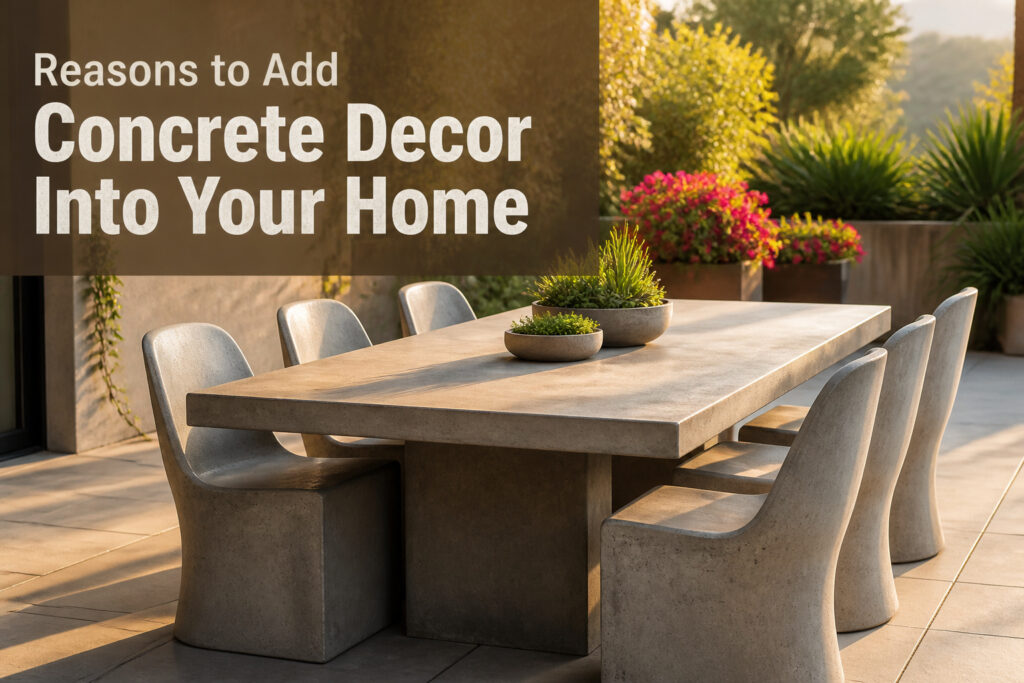
Concrete decor is finished concrete shaped into furniture, surfaces, and decorative objects for indoor and outdoor use. The catch is that it only earns its place if you plan to stay in your home long enough for the upfront cost to spread across decades of use. A stamped concrete patio costs more than gravel at the start, but stays functional for 30 years or more with nothing beyond an occasional reseal, while wood decks need boards replaced and composite fades.
1. Concrete Outlasts What You Replace
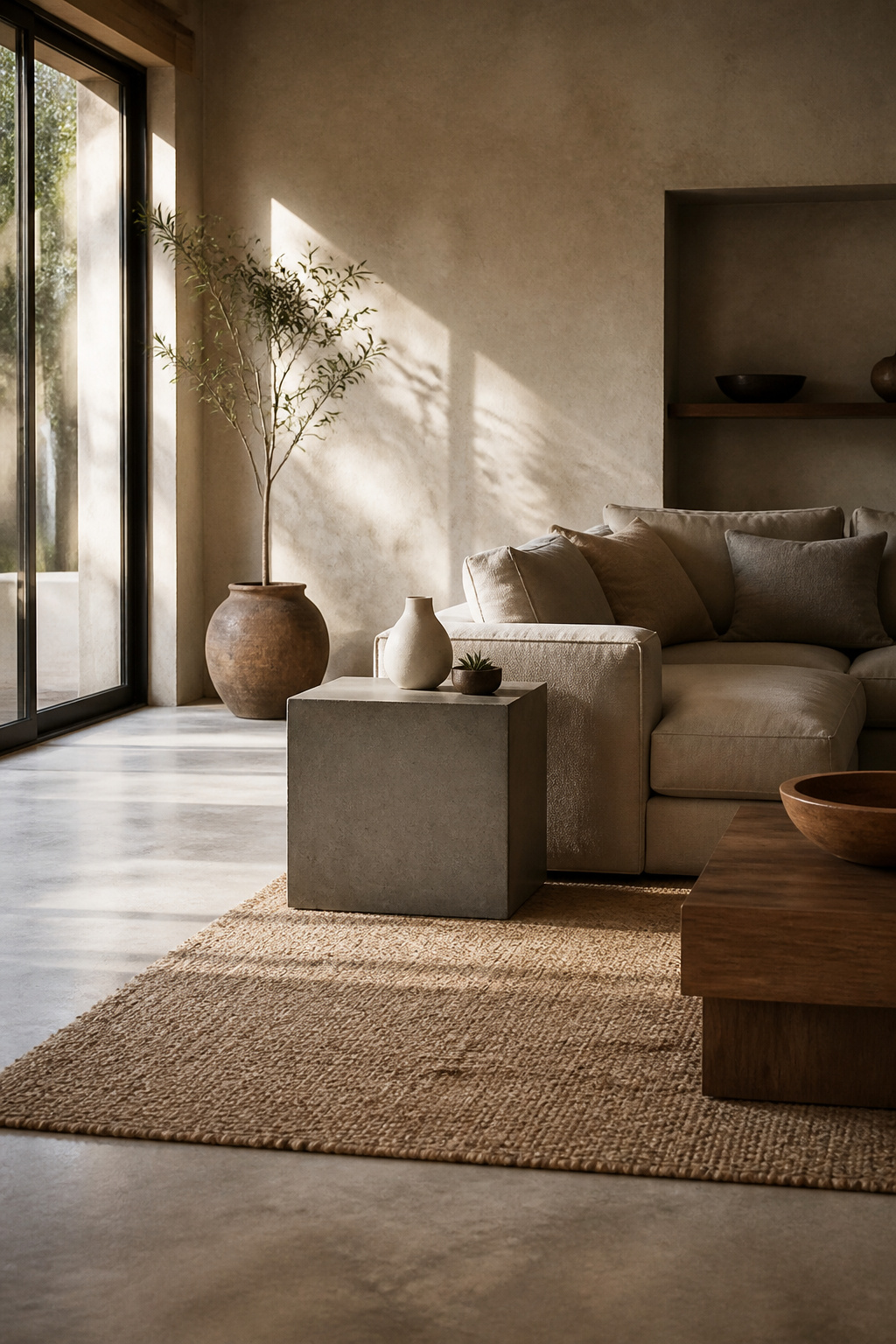
The concrete side table I dragged in from the patio last winter still sits by my couch, unchanged from the day I hauled it through the door. That piece spent three years outside through freeze-thaw cycles that split a ceramic planter and warped a wood bench beyond use. Concrete does not warp, rot, or invite insects. Its compressive strength handles heavy loads without structural failure; a car could park on decorative concrete flooring without damage.
With proper sealing, concrete surfaces last decades rather than the handful of years you might get from carpet or vinyl before replacement costs stack up. The sealer itself is the critical move: a quality application shields against UV rays, weather, and daily wear so the surface stays as it looked on day one.
Resealing every few years beats tearing out and replacing. That rhythm of occasional attention, not constant upkeep, is what makes concrete a practical choice for anyone who would rather spend weekends on new projects than repairing old ones.
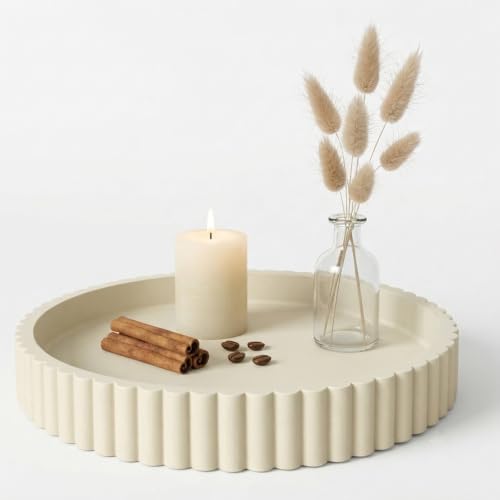
【Solid Hand‑Cast Concrete Craftsmanship for Long‑Lasting Quality】Made of solid hand‑cast concrete, this 11‑inch round tray delivers heavy‑duty stability. Unlike wood that warps and molds, resin that yellows, and ceramic that shatters, this cement tray resists water, candle wax and heat. Natural texture variations make every tray one‑of‑a‑kind for coffee tables, consoles and home displays.


Used Book in Good Condition
2. Resealing Every Few Years Beats Constant Upkeep
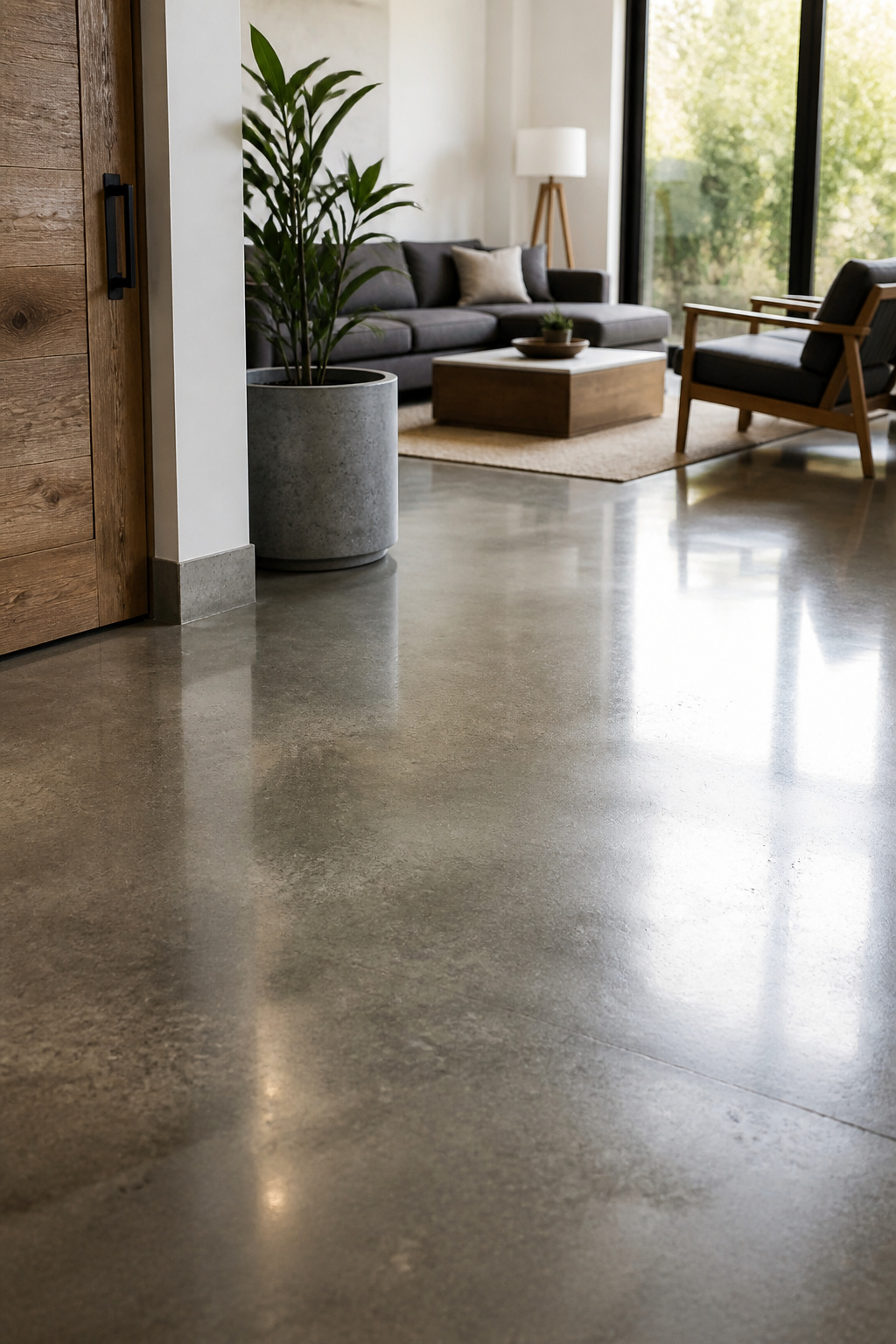
A sealed concrete surface sheds most of what life drops on it. Spilled coffee, tracked-in mud, the dust that collects in a week of ordinary living, all of it sweeps or mops up without seeping in. The acrylic or epoxy coating does the work, so the cleaning stays simple.
What the coating cannot do is last forever. Foot traffic and weather wear it down, and once that layer thins, stains and cracks follow fast. Resealing every two to three years heads that off entirely. A weekend of surface prep and application, then years of not thinking about it.
That rhythm compares well with what I left behind in earlier places. Wood that needed annual refinishing to keep from graying. Stone that wanted weekly special cleaners to avoid etching. Concrete asks less, and the savings stack in time more than in dollars. For someone who does one or two projects a year and would rather start a new one than maintain an old one, that gap matters.

EASY APPLICATION: Simple to use for DIY projects. Apply with a paint roller for even coverage. Dries quickly for fast results on stamped concrete and paver surfaces.
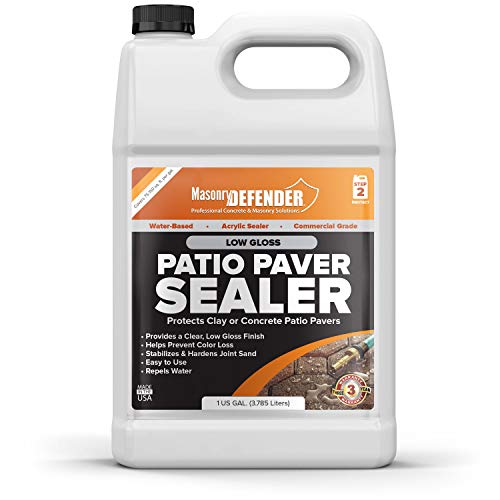
CLEAR WATERPROOF PROTECTION: Water based acrylic sealer dries clear with a low gloss finish, enhancing and protecting surfaces from fading. VOC-compliant and prevents color loss without yellowing.
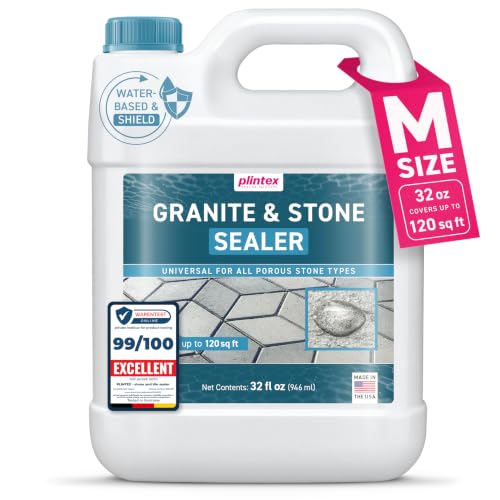
WATER & STAIN REPELLENT - This deep penetrating concrete sealer seals pores against rainwater, moisture, dirt & stains - the hydrophobic silane-siloxane sealer protects patios, facades and walkways reliably and long-lasting.
3. Color, Texture and Shape on Demand
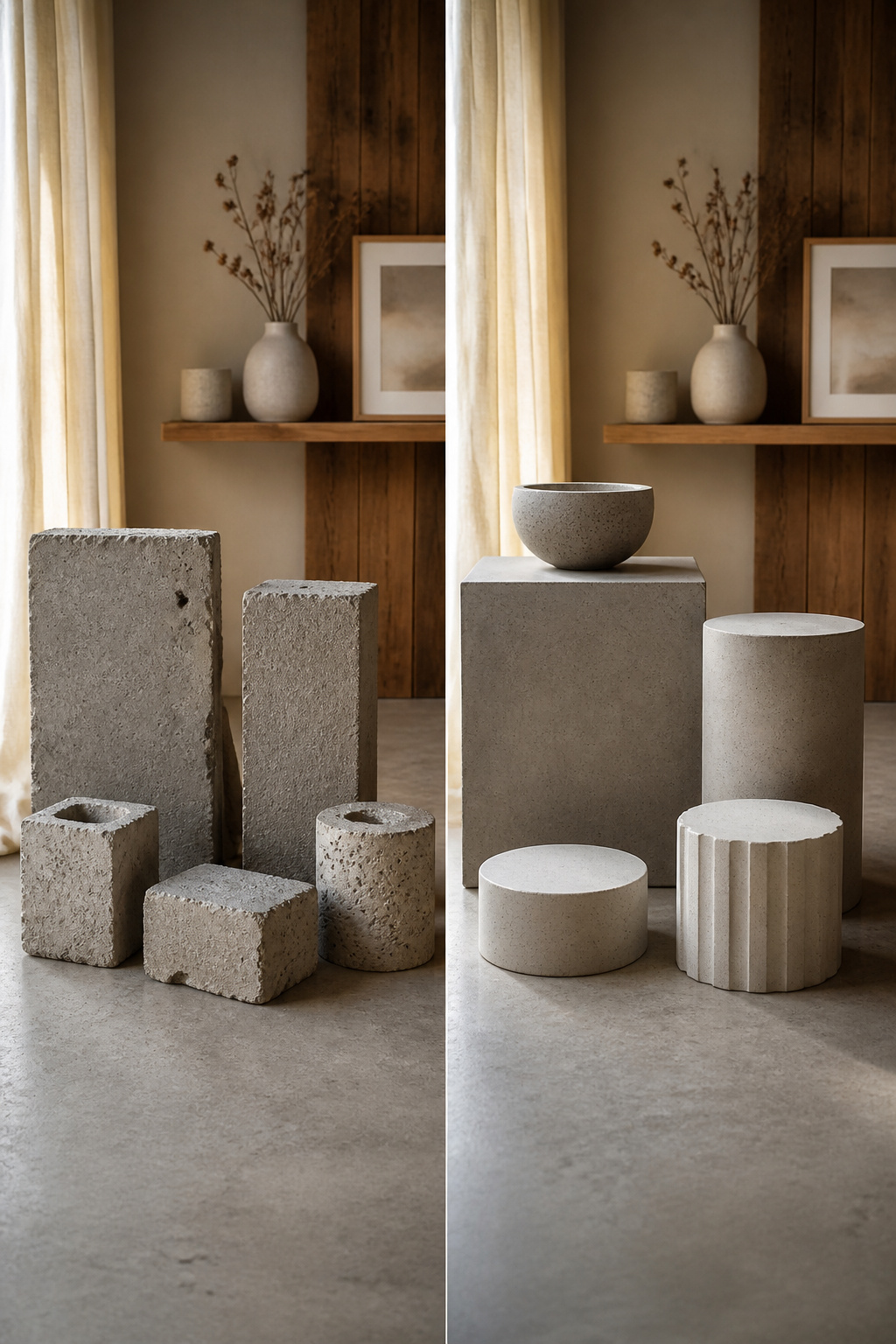
Concrete mixes can be tinted to match a landscape, stamped to read as stone or brick, and textured for grip underfoot. Decorative techniques do the same indoors, where a pour can take on the grain of wood or the cool flatness of poured stone. The common assumption is that this means industrial style only, but the material is used in Japandi, Wabi-Sabi, biophilic spaces, even Atomic retro rooms. Warmth comes from pairing it with wood, linen, and warm-toned accents rather than leaving it bare. The shape is as open as the mold you build; planters, consoles, and small tables can be cast to fit a specific corner. What limits the look is not the concrete but the decision to treat it as a finished surface on its own.

DURABLE STONE-LIKE TEXTURED FINISH: Create a long-lasting, protective finish that enhances your concrete with a stone-like, speckled texture. Adds depth and visual appeal to patios, walkways, pool decks, and more

Customize any concrete coating with decorative color for the perfect finish

DURABLE STONE-LIKE TEXTURED FINISH: Create a long-lasting, protective finish that enhances your concrete with a stone-like, speckled texture. Adds depth, and visual appeal to patios, walkways, pool decks, and more
4. Recycled Content and Less Waste Over Time
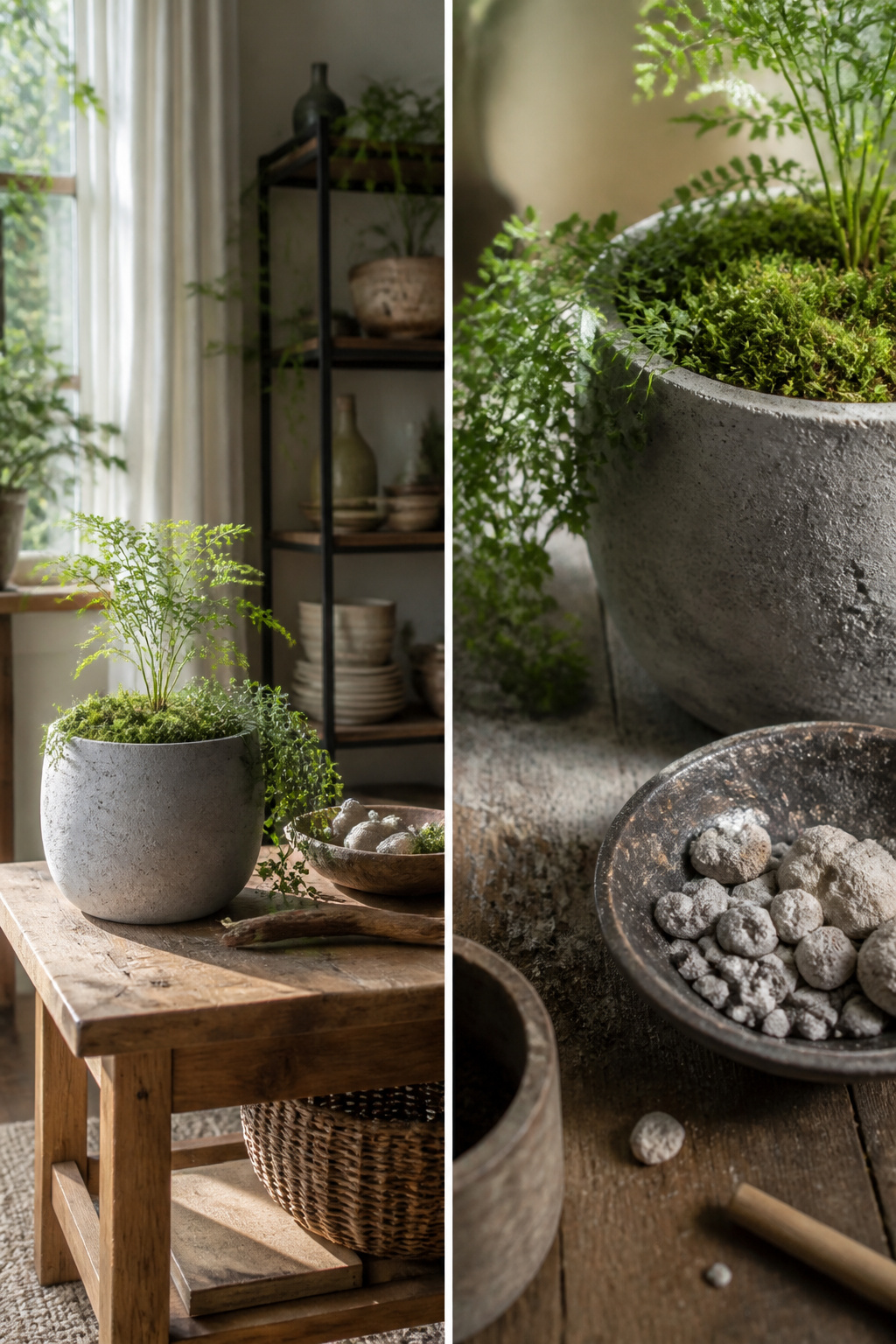
Concrete carries an honest tension. The mix itself comes with real environmental costs, and no amount of greenwashing erases that. What shifts the math is what happens after the pour.
Fly ash and slag, industrial byproducts that would otherwise sit in landfills, can replace a portion of the cement in the mix. The result is a piece that carries recycled content without looking recycled; the surface reads the same. Over thirty or more years, that same piece does not warp, rot, or need replacing the way wood or composite alternatives often do. One installation instead of three or four means fewer trucks, fewer tear-outs, fewer dumpsters.
For indoor decor, the relevant question is not whether concrete is pure, but whether its longevity justifies the initial footprint against the decades of use. The calculation favors keeping the piece, not replacing it. The recycled content in the mix is a bonus, not a redemption.

Highly Realistic Stone Effect: Elevate your landscaping with 1 premium concrete texture roller. Designed to simulate natural stone, this 8.5-inch tool acts like continuous concrete stamp molds, imprinting deep, professional 3D patterns on standard cement surfaces.

Highly Realistic Stone Effect: Elevate your landscaping with 1 premium concrete texture roller. Designed to simulate natural stone, this 8.5-inch tool acts like continuous concrete stamp molds, imprinting deep, professional 3D patterns on standard cement surfaces.

Nice Materials: this textured concrete stamp sleeve is made of polyurethane, ensuring sturdy and abrasion resistance; Suitable for both flat and vertical concrete surfaces, it delivers a consistently professional finish with every use
5. Upfront Cost Against Years of No Replacement
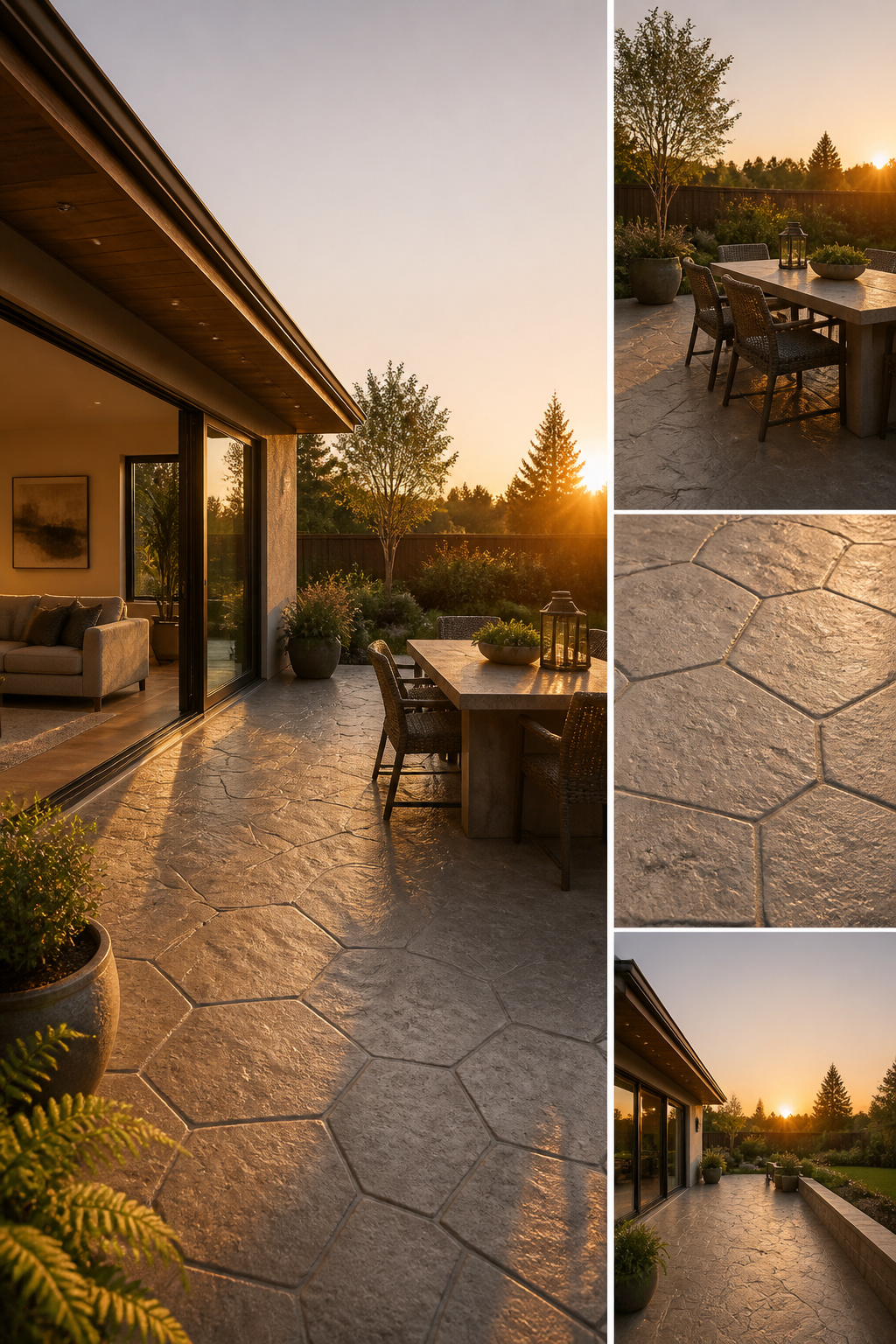
A stamped concrete patio runs higher at the start than pouring plain slab or laying basic gravel, but the gap closes fast once you count what you are not buying later. Wood decks need boards replaced, composite fades, and pavers settle into weed beds. Concrete, properly installed, stays functional for 30 years or more with nothing beyond an occasional reseal.
That longevity turns into real money if you sell. Buyers see a finished outdoor space they can use immediately, not a project to budget and build. In a competitive market, that moves your listing ahead of comparable properties with cracked or dated surfaces. The curb appeal signals that the home was maintained, and the durability backs up the first impression.
The upfront sting is real. I would not put decorative concrete into a house I planned to leave in two years; the payback needs time to compound. For a place you are holding, though, the math flips. You buy once, you maintain lightly, and the feature still looks intentional decades later when a wood structure would have been rebuilt twice over.

All Weather Resistant

Modern Concrete Elegance: Unveil a modern design featuring graceful curves and an authentic finish. Classic cylindrical shape with a neutral gray hue harmonizes outdoors, making the outside table an excellent fit for a balcony, patio, garden, and beyond.

【Special Decorations】:The elegant cylinder shape outdoor side table with gentle curves and a smooth profile which enhance the beauty of outdoor space and indoor décor. A perfect size for garden, balcony, bedroom, living room or next to the sofa and chair, adding the stylish for your home look.
Concrete Across Indoor and Outdoor Spaces
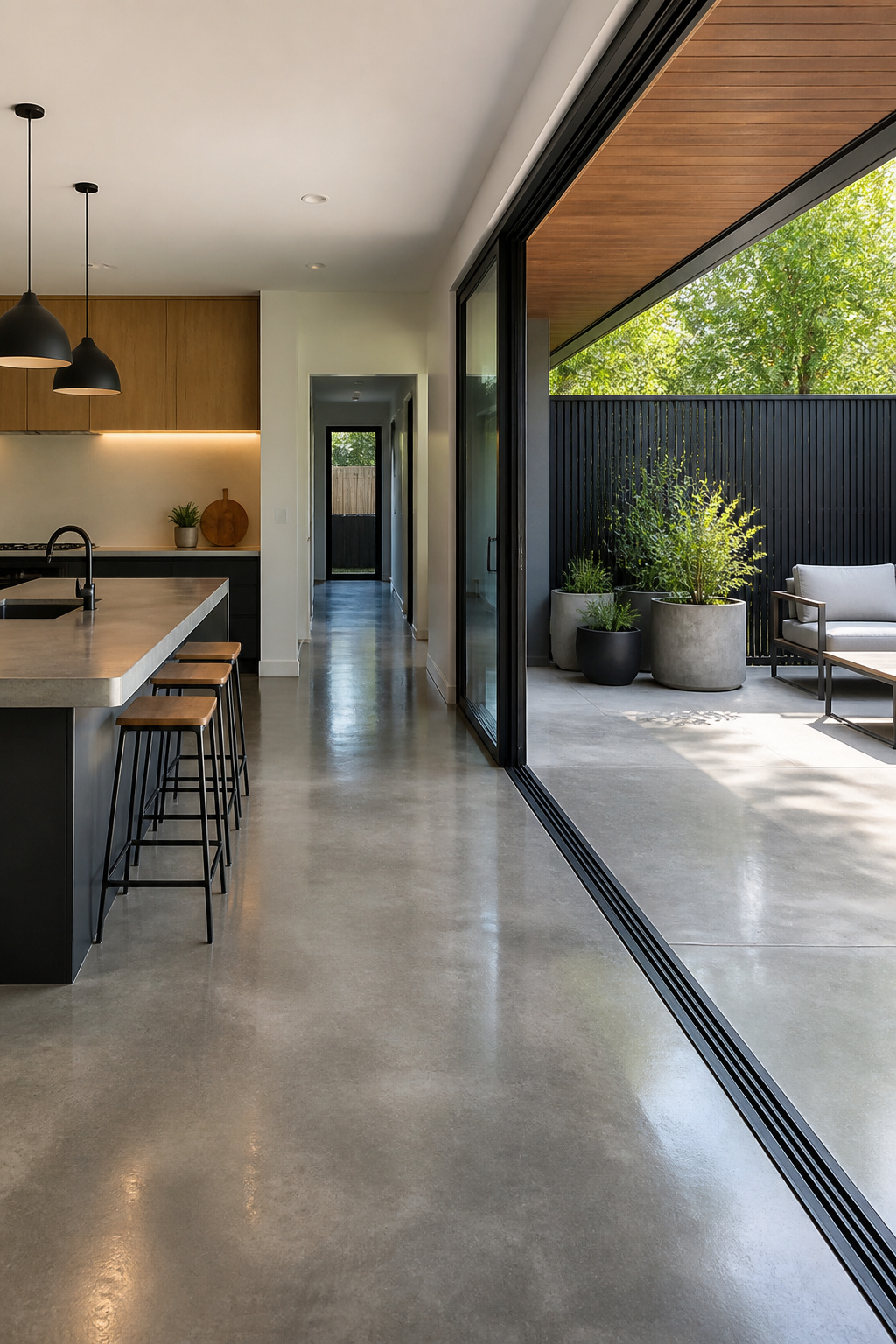
Polished concrete flooring runs straight through the back door of my sister’s place and onto the patio without a change in finish, and the first time I walked it I kept checking my feet to find where the house ended. That continuity is what sells the material. Inside, the same surface she walks on in socks becomes the same surface she sets a grill on outside, and the visual line carries through so the rooms read as one plan rather than two zones separated by a wall.
The functional range matters just as much. A kitchen countertop in concrete can be shaped to any depth and finished to read as marble, granite, or left raw gray, while the patio slab ten feet past the slider can be scored in the same pattern. Fire pits, shower stalls, and even trough sinks are being cast from the same mix, so the aesthetic language stays consistent whether the piece is holding water or holding heat. The one limit worth naming up front: concrete is permanent once it is in place, so the commitment to that continuous look is real and hard to undo. For a renter, that means smaller pieces, planters or side tables, carry the same texture without the same permanence.

ALL-IN-1 PAINT & PRIMER: A hardy multi-purpose and multi-surface one-coat paint and primer in one for almost any indoor or outdoor surface. A wall, ceiling, floor, skirting board, cabinet, furniture and door paint for your bathroom, kitchen, home and garden.

PREMIUM SOLID CONCRETE & DURABILITY: Crafted from high-density solid concrete, this Upusa tray boasts a substantial feel (approx. 5.3 lbs) that prevents tipping. The smooth, sealed finish is non-porous and resists stains-simply wipe clean with a damp cloth. Enjoy a modern, minimalist aesthetic that is built to last, unlike flimsy plastic alternatives
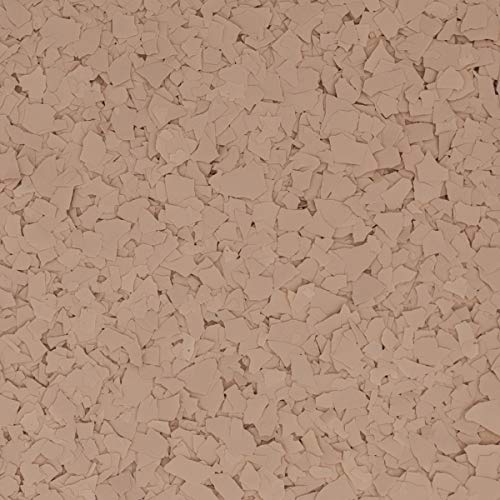
TRANSFORMS SURFACE APPEARANCE - Quickly enhances the look of any surface by adding a unique and appealing decorative touch. Ideal for creating custom, high-end finishes that stand out.
Pairing Cold Surfaces With Warm Materials
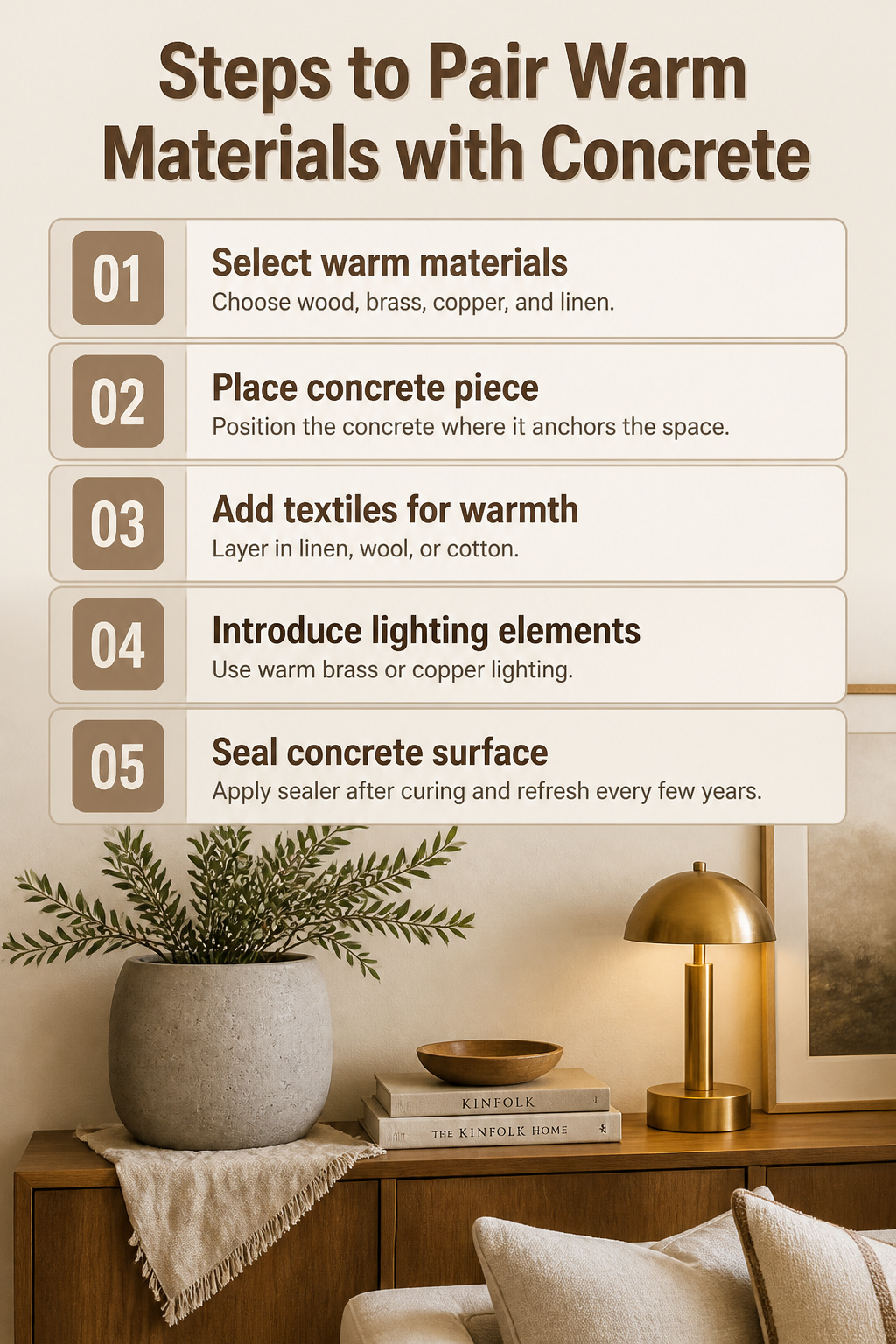
Concrete reads cold until you put something alive next to it. The first time I saw it work in a warm room, the piece sat on a walnut shelf with a rumpled linen runner underneath, and the gray surface suddenly looked intentional rather than unfinished. Wood grain and soft textiles are what make concrete feel like home instead of a parking structure.
The pairing is straightforward in practice. A concrete planter on a teak console, a cast side table beside a slubbed linen sofa, warm brass or copper catching light against the matte surface. The concrete stays visually heavy, but the surrounding materials keep the room from feeling like a set piece.
The maintenance question comes up because concrete is porous. Ungreased, it will absorb wine, oil, and coffee. Sealing fixes this. A quality concrete sealer goes on after the piece cures and gets refreshed every few years. In practice, that means wiping up spills the same day rather than letting them sit, and reapplying sealer when water stops beading on the surface. The work is occasional, not constant, and it keeps the piece looking as it did when you brought it in.

SUPERIOR PROTECTION: Our concrete sealer forms an invisible, filmless, hydrophobic barrier that shields concrete surfaces from water, salt, oil, stains, efflorescence, harsh weather, and other contaminants, ensuring long-lasting durability.

CONTRACTOR GRADE CONCRETE WATERPROOFING SEALER: BEEST CS-9500 is an industrial water-based Silane Siloxane Sealer formula made to repel moisture and safeguard your surfaces. The high-actives formula is UV stable, has smaller active particles for deep penetration, and lasts 50% longer than other siloxane sealers for years of worry-free protection.

PROFESSIONAL GRADE CONCRETE SEALER & PAVER SEALER: Enhance and protect your exterior concrete and pavers with the professional-grade Armor AR350 solvent-based low gloss wet look concrete sealer and paver sealer. This concrete sealer is designed for use on unsealed concrete and pavers, and concrete and pavers previously sealed with a solvent-based acrylic concrete sealer.
Frequently Asked Questions
Is concrete decor only suitable for industrial-style interiors?
Not at all. Concrete works in Japandi, Wabi-Sabi, biophilic spaces, and even Atomic retro rooms. The warmth comes from how you style it, not from the material itself.
How can I incorporate concrete decor into a warm, cozy space?
Pair concrete with wood grain, linen textiles, and warm-toned metals like brass or copper. A concrete planter on a teak console or a cast side table beside a slubbed linen sofa keeps the room from feeling cold.
Does concrete furniture require special maintenance?
Seal it after curing and refresh the sealer every two to three years, or whenever water stops beading on the surface. Wipe up spills the same day and the piece stays looking as it did when you brought it in.