
Little backyard ideas run from a weekend of gravel and pavers to months of excavation for a plunge pool, and the deciding factor is not budget but permanence.
Renters build around what moves when the lease ends; owners can drill into walls and pour concrete. A five-gallon bucket of sand, about sixty pounds, is the minimum that holds a ten-foot umbrella steady through a gust.
1. Vertical Gardens for Maximizing Space
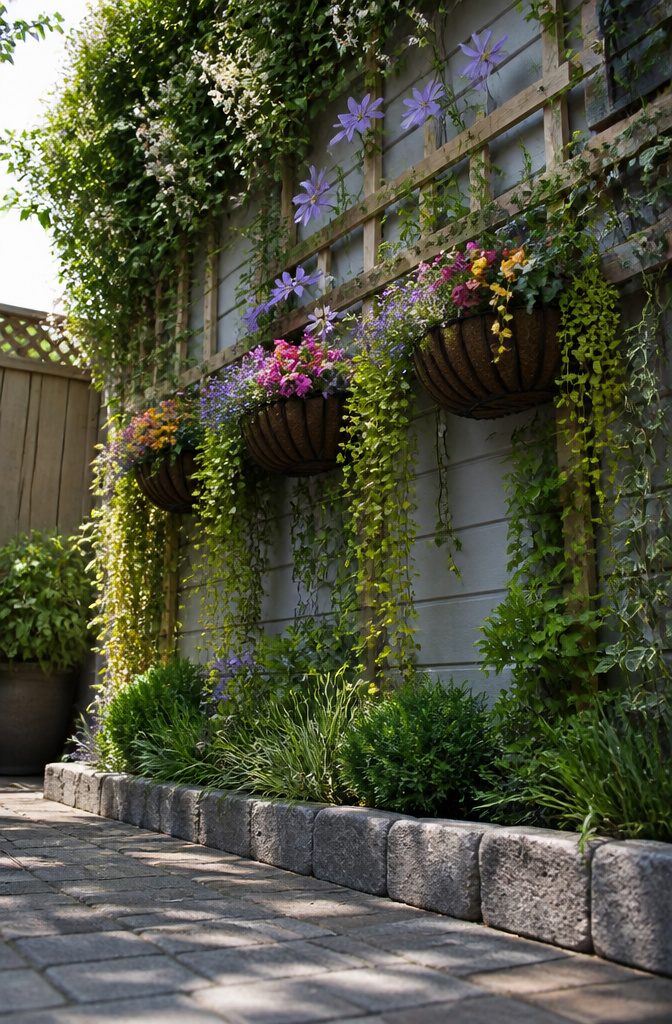
A small backyard starts feeling bigger the moment you stop thinking flat and start thinking up. Trellises against a fence or exterior wall let jasmine, clematis, or even trained fruit trees climb without eating the ground space you actually need.
I have watched this trick turn a concrete pad into something that reads like a garden because the eye travels upward.
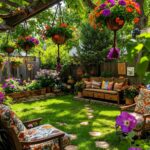
Wall-mounted systems and hanging planters carry the same logic onto surfaces that otherwise do nothing. A row of hanging baskets at staggered depths can screen sightlines from a neighbor’s window, which matters when your lot line sits close.
The roof of a patio cover or sturdy tree branches work as anchor points if bare walls are not an option.
Some setups stay simple: window boxes stacked up a siding run, or a single arbor at the property edge.
Others go more involved, with built-in shelves and the irrigation that keeps a green wall alive through summer. The choice depends on how much tending the planting will get and whether the structure is yours to drill into.
Renters might lean on freestanding trellises that move when the lease ends; owners can commit to wall-mounted hardware. Either way, vertical planting adds drama without taking much ground area, and that is the point when every square foot counts.
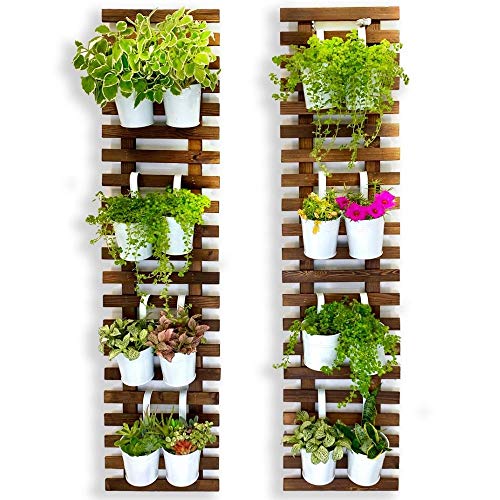
29x120cm (11.4" x 47.2") x 2 pcs. Plants, flowers, pots, decorations are NOT included

🍒Durable and Safe Material: vertical wall hanging planter made of high-quality durable PP resin material, safe and non-toxic, this polypropylene resin planter is a tough, light weight, all-weather durability with UV protection for outdoor use, an alternative to clay or ceramic planters.

29x120cm (11.4" x 47.2") x 1 pc. Plants, flowers, pots, decorations are NOT included
2. Multi-Functional Furniture to Save Space
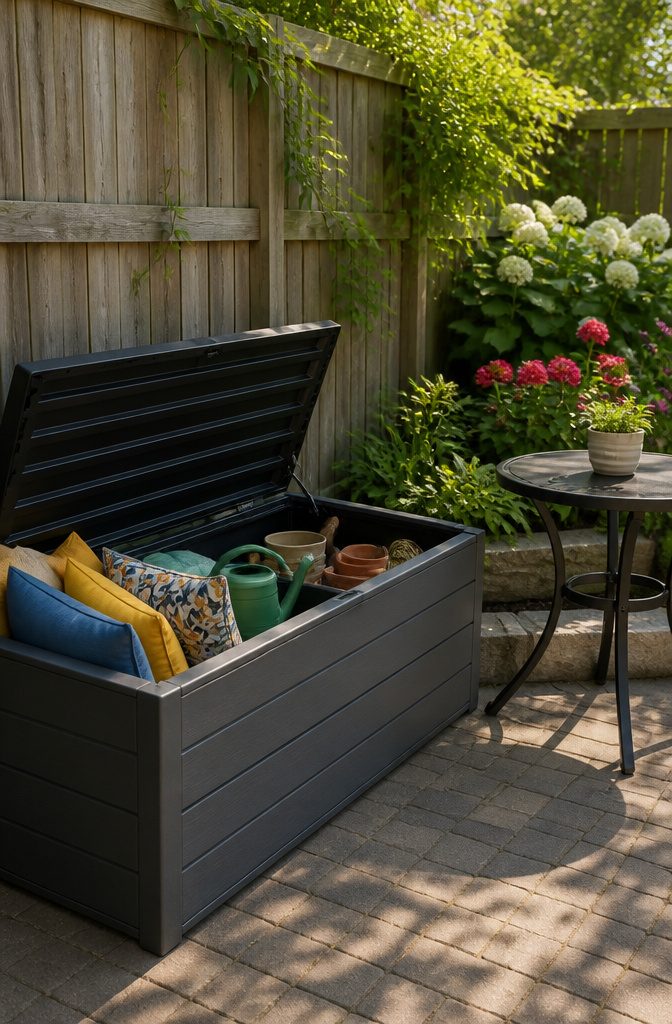
A bench that opens up to swallow hoses, cushions, and the half-empty bags of potting soil you meant to put away last month is the first piece that actually earns its footprint in a small yard.
Storage benches keep seating on hand while hiding whatever you do not want to look at, and they matter more when every square foot has to work.
Collapsible tables and foldable chairs follow the same rule: they exist when you need them and disappear when you do not.
A small bistro table handles breakfast outside without permanently claiming the corner. Foldable Adirondack chairs store flat against a fence or in the narrow gap behind the shed.
The gas fire pit that doubles as a coffee table is the kind of piece worth planning around.
You get warmth on cool evenings and a usable surface the rest of the time; dual-purpose furniture removes the need to choose between two functions in the same spot.
A coffee table with built-in storage underneath does the same quieter work.
What breaks the effect is buying storage as an afterthought and leaving it to become another pile. Each piece needs an intended place and an actual use, or the clutter wins anyway.

Pack of 2 semi circular wall hanging planters. Rustic Indoor and outdoor decoration.

Material: Hanging fence planter made of metal iron. Durable and lightweight. Balcony flower pots are not easy to rust or damage, and have a long service life

Modern Twist on Classic Hanging Baskets – The Leeds Sphere Metal Hanging Basket brings a sleek, contemporary design to your garden decor, perfect for elevating any patio, porch, or balcony space.
3. Defined Zones for Different Activities
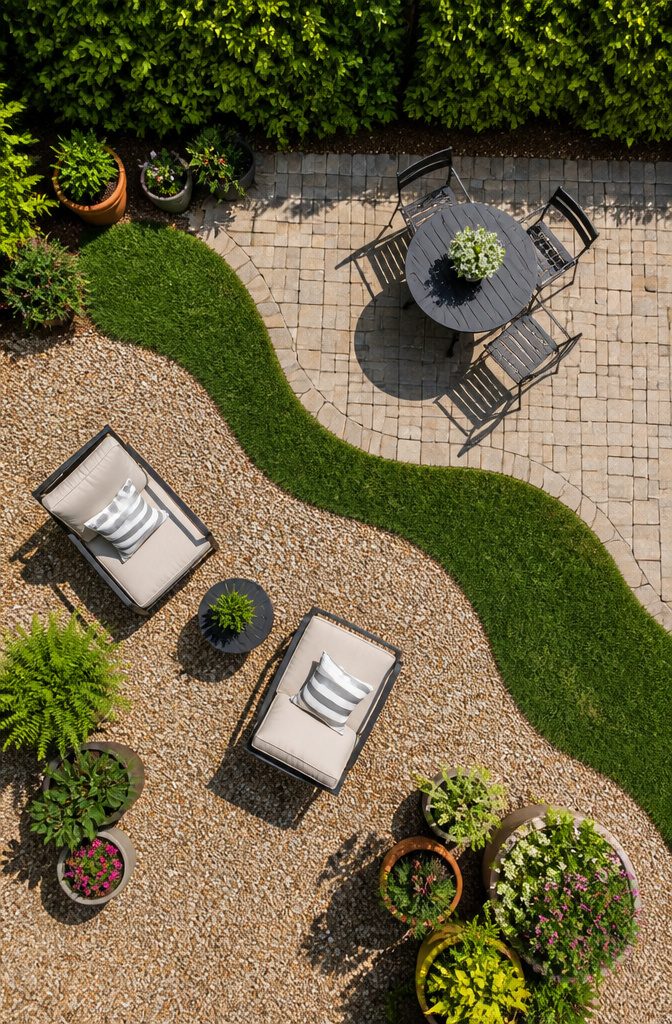
A small backyard that looks like one open lawn actually feels tighter than the same space broken into zones.
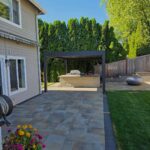
Changing materials between areas does the dividing: pavers under a bistro table near the kitchen door mark the dining spot, gravel in a sunny corner holds lounge chairs, and a strip of grass or a flower bed along the perimeter frames the whole thing without building a wall.
Physical barriers eat square footage; a visual shift from paver to gravel to grass keeps the eye moving and the space reading larger.
Potted plants on a deck edge or an outdoor rug under the grill can separate a hot tub area from a seating area just as clearly as a fence, and you can move them when the layout needs to change.
I like the stepping-stone path through a small planted section that connects two zones: it turns a straight walk across the yard into a sequence, which is how interior designers make studio apartments feel like multiple rooms.
The trick is committing each patch of ground to one purpose. A chair that drifts halfway into the dining circle undoes the logic and crams both functions back together.
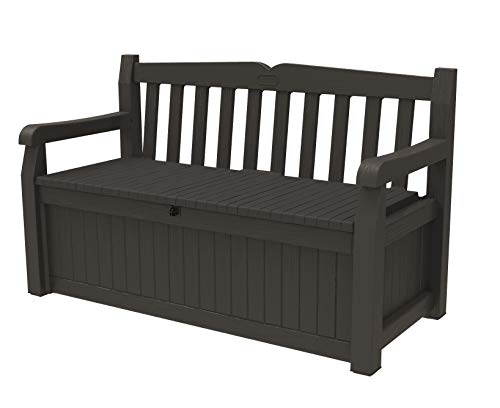
IDEAL SIZE: Exterior: 54. 6 in. L x 23. 4 in. W x 32. 8 in. H / Interior: 50. 4 in. L x 19. 7 in. W x 15 in. H

LARGE OUTDOOR STORAGE BOX: Fashionably store your outdoor furniture cushions, pool gear, and more. This outdoor storage bench offers lots of convenient, lockable storage space and has enough room to seat 2 adults.

【Wide Compatibility Size】-The patio cushion storage bag will covers up to 68"L x 29"H x 20"W. Perfect fit for most chair, bench, chaise cushions and also the Christmas tree.
4. Hardscaping Materials for Structure
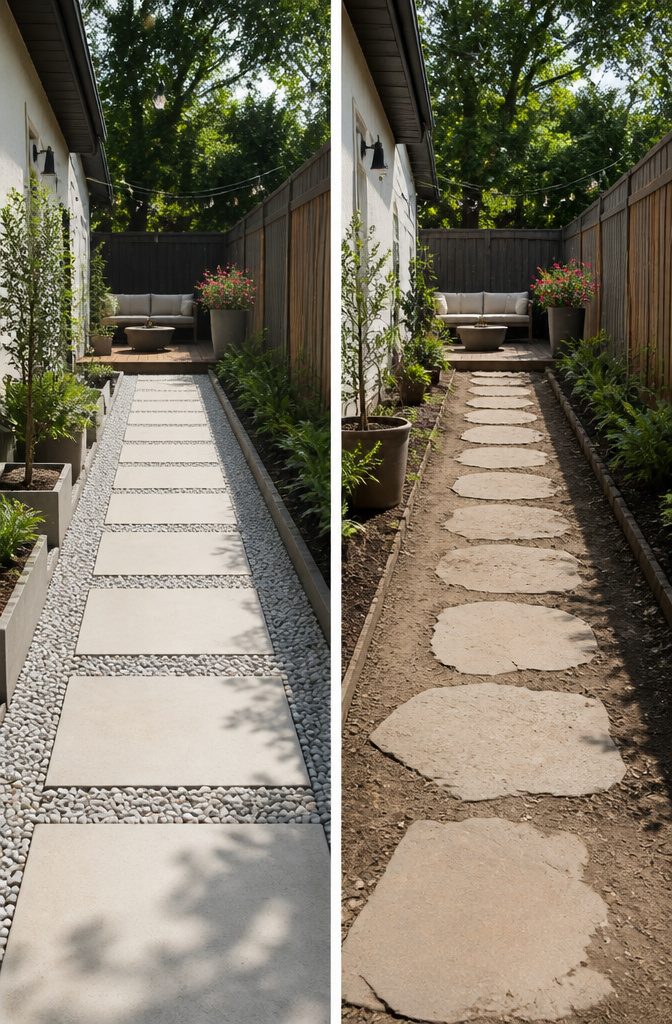
Concrete pavers and gravel paths give a small yard its bones without the upkeep of a lawn you do not have room to mow properly anyway.
I learned this the hard way with a patio that sat too low and held water; raising the grade with compacted gravel underneath the pavers fixed the drainage and the whole space looked intentional for the first time.
Light-colored materials with a satin finish do the actual work of making that space feel larger, reflecting daylight and any ambient lighting at night the way glossy surfaces never quite manage without glare.
Pea gravel is the budget move that still reads modern if you edge it cleanly, and mixing it with a concrete pad you already own stretches the dollar further than tearing everything out.
A weekend gets you the gravel base, the leveling, and the first seating area; the second zone can wait until the next free Saturday.

VIBRANT PATIO SEATING: Brighten your balcony or breakfast nook with this colorful bistro set. Includes a folding table and two chairs, perfect for small spaces or creating a cozy outdoor dining area. Adds a cheerful touch to any indoor or outdoor setting.

【Portable Chairs Set】These folding bistro chairs (No Table) are super easy to transport and store. Easily fit them into a tight corner at home or slide them into your car's trunk – they're designed to save space wherever you keep them

READY TO USE OUT OF THE BOX. No tools, no hassle! This bistro table and chairs set of 2 arrives fully assembled. Simply unfold and instantly enjoy your cozy balcony, garden, or porch space.
5. Water Features for Ambiance
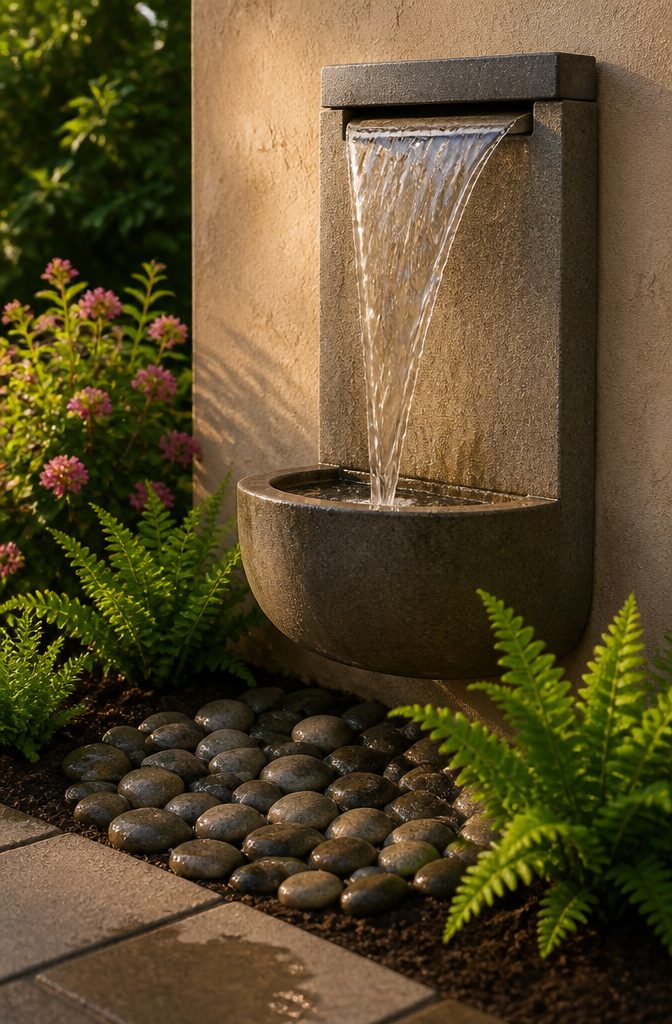
Moving water does something no other backyard element manages quite the same way.
The sound masks traffic, voices from the next yard, that neighbor’s leaf blower. A small space starts to feel like a retreat the moment you hear it.
A wall-mounted fountain saves every inch of ground you have, and the water still carries through open windows or French doors.
Urn-style bubblers work in tighter corners; fill the basin with river rocks and the footprint stays compact while the noise softens.
Pre-formed liners make a small pond possible without hiring out the dig, though you will need a power source close enough to run the pump without extension cords snaking across your seating area.
The maintenance is where enthusiasm usually meets reality.
Pumps clog, basins grow film, and that tranquil feature becomes weekend homework. Solar-powered units cut the cord problem but the flow dies with the light.
In my reading, the people who stick with their water features long term size them for the cleanup they will actually do, not the mood board they started with.
A tabletop ceramic piece you can lift and scrub beats a statement fountain you let run dry by August.
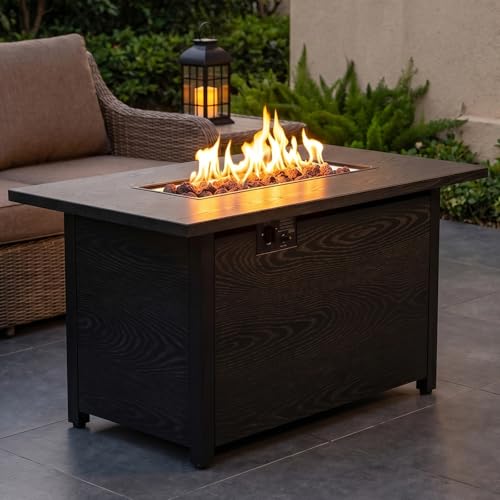
【2-in-1 Fire Pit Table】: Our 42" large patio fire table with removable lid can not only heat your yard, can also serve as a dining table. With the lid on, you can put drinks and food on it. Perfect for year-round use.
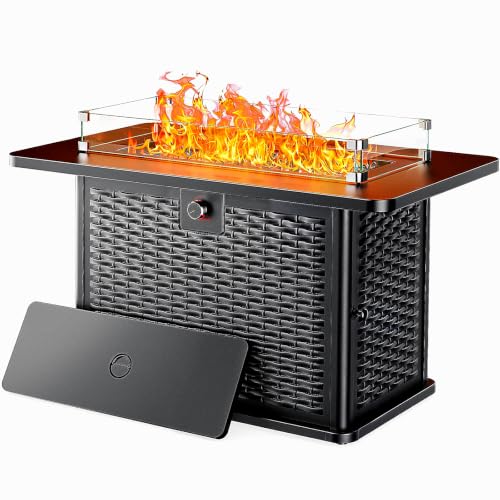
Powerful 60,000 BTU Heating: Enjoy efficient warmth on chilly nights with this high-heat 60,000 BTU output Ciays propane fire pit. The durable 304 stainless steel H-burner creates a denser flame pattern for consistent & effective heating. This gas fire pit will elevate your outdoor experience, reliability and safety.

WHAT'S INCLUDED: Mini Fire Pit, Butane Adapter, Metal Mesh Screen, Lava Stones
6. Outdoor Fire Pits for Gathering
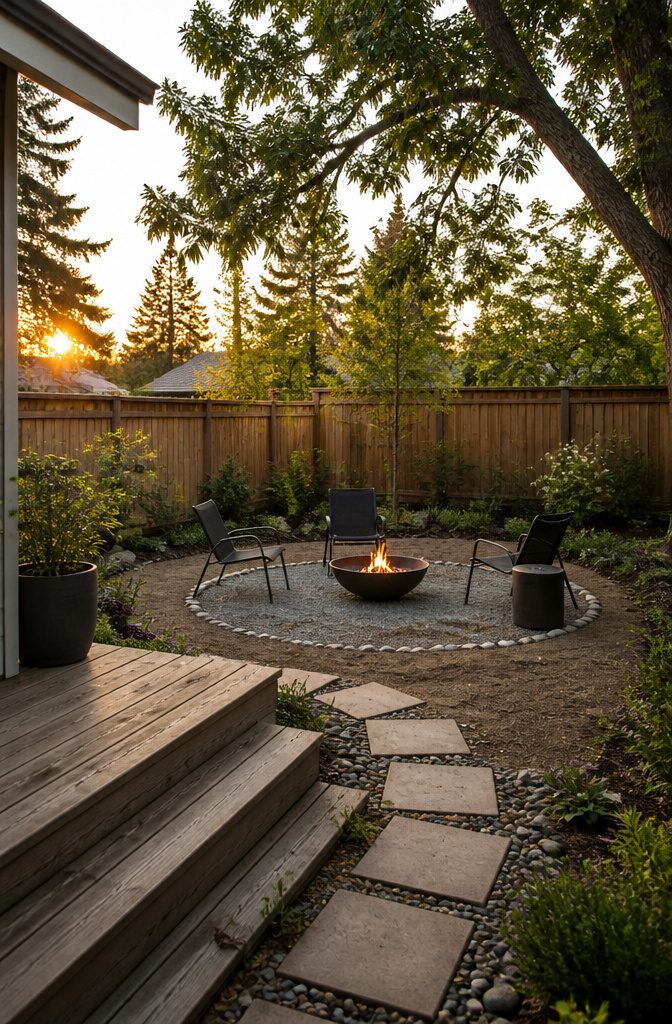
A fire pit in a little backyard only works if the footprint earns its keep. Corner placement keeps the center open for moving through the yard while still defining a zone that pulls people in.
The clearance rule is non-negotiable: minimum 10 feet from the house, fences, and overhanging branches on every side. In a 12-by-12 foot yard, that math leaves almost no room for a permanent pit, which is why portable vessels matter.
A metal bowl taking up less than five square feet can sit to the side when the kids need the concrete for chalk, then come back out after dinner.
Local fire codes split on whether portable pits face the same rules as dug-in ones, so the phone call to the city costs nothing and saves a fine.
Position it where you can see the flame from a kitchen window or back door; the glow does more work on Tuesday evening in March than it does on the Saturday you planned around.

STURDY METAL CONSTRUCTION – Heavy-duty metal trellis panel measures 50" H x 24" W and features a matte black powder-coat finish; designed for outdoor use when weather conditions permit

Made-in-the-USA of strong 5/16" solid steel rod for extra strength

Durable Material Comes with 12 Hooks and 6 Screws: Self-watering wall planter made of high-quality durable resin material, safe and non-toxic. Lazy flower pot size (inner diameter*outer diameter*height): 5.7"x7.3"x6.1"; Comes with 6 * steel S hooks + 6 * non-destructive self-sticky hooks + 6 * screws + 15 feet self-watering wick for DIY self-watering system.
7. Layered Landscaping for Depth
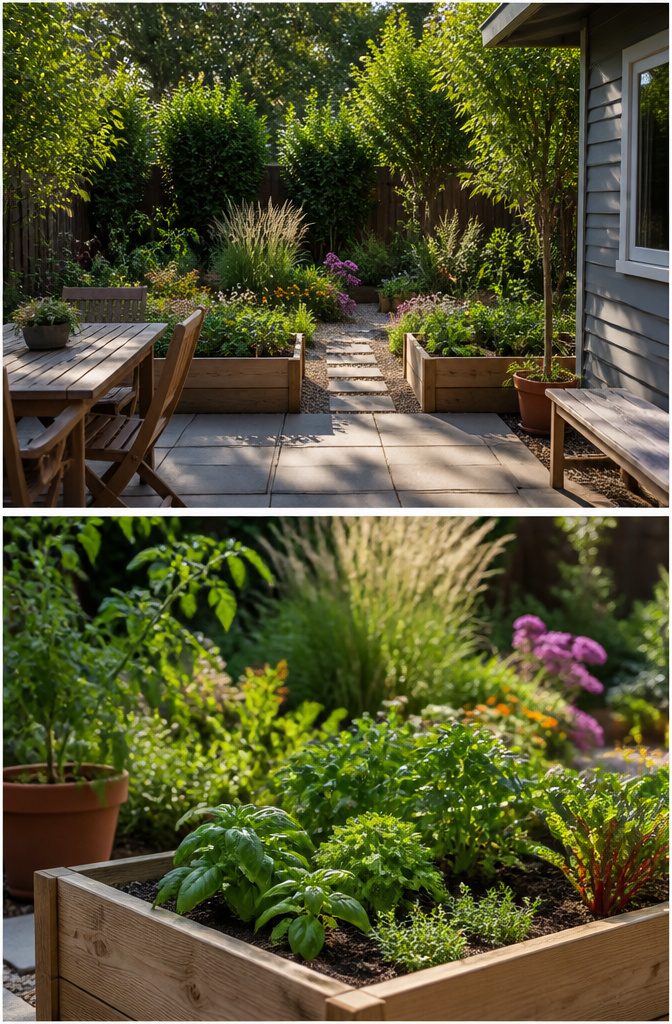
Tall plants in back, medium in middle, low in front: this layering trick is the oldest spatial cheat in gardening, and it still works because it mirrors how the eye reads distance.
When I first tried it on my own narrow strip of yard, the change was immediate. The tallest layer, usually a small tree or a cluster of privacy shrubs, sits against the fence line or property edge.
That backdrop absorbs the boundary and stops the eye from hitting a wall. Mid-height shrubs or grasses fill the middle band, and groundcovers or low annuals finish the front edge.
Varying heights alone is not enough.
Mix textures, too: something feathery against something broad-leaved, something upright against something that mounds. The contrast keeps the eye moving, and a moving eye reads a space as larger than it is.
Repeating the same plant in three to five spots across the yard knits the layers together so the whole thing reads as intentional, not crowded.
Raised beds fit neatly into this system.
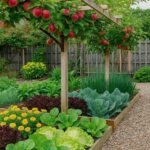
They add a physical layer of their own and define zones without fencing anything off. Build them 10–12 inches deep for most vegetables and herbs; root crops like carrots and parsnips need 18 inches.
Cedar holds up without chemical treatment, which matters if you are eating what grows in it. Fill with a mix of topsoil and compost, and the bed becomes both structure and soil control in one weekend of work.

★【Planter Dimensions】- Basket Planter measures 10.2" / 26cm in diameter, 6.1" / 15.5cm in height. Length of chain is 17.7” / 45cm. Total height (include chain) is 25.6” / 65cm. Item weight (include chain) is 550g / 1.2lbs. The large capacity ensures enough space for perfect planting and flower arrangement. Copyright number: VA 2-318-883.

Pack of 3 round hanging planters with coco fiber liners. Rustic Indoor and outdoor decoration.
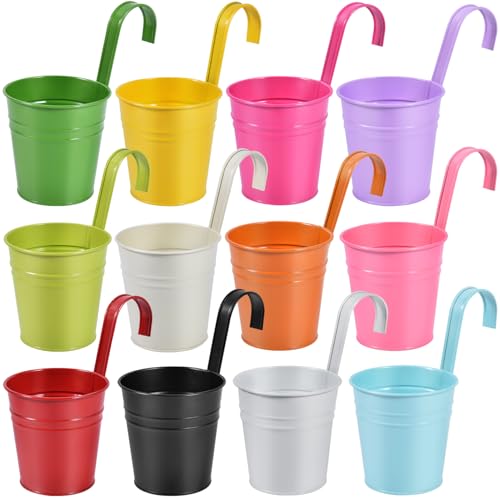
Material: Hanging fence planter made of metal iron. Durable and lightweight. Balcony flower pots are not easy to rust or damage, and have a long service life
8. Lighting for Atmosphere
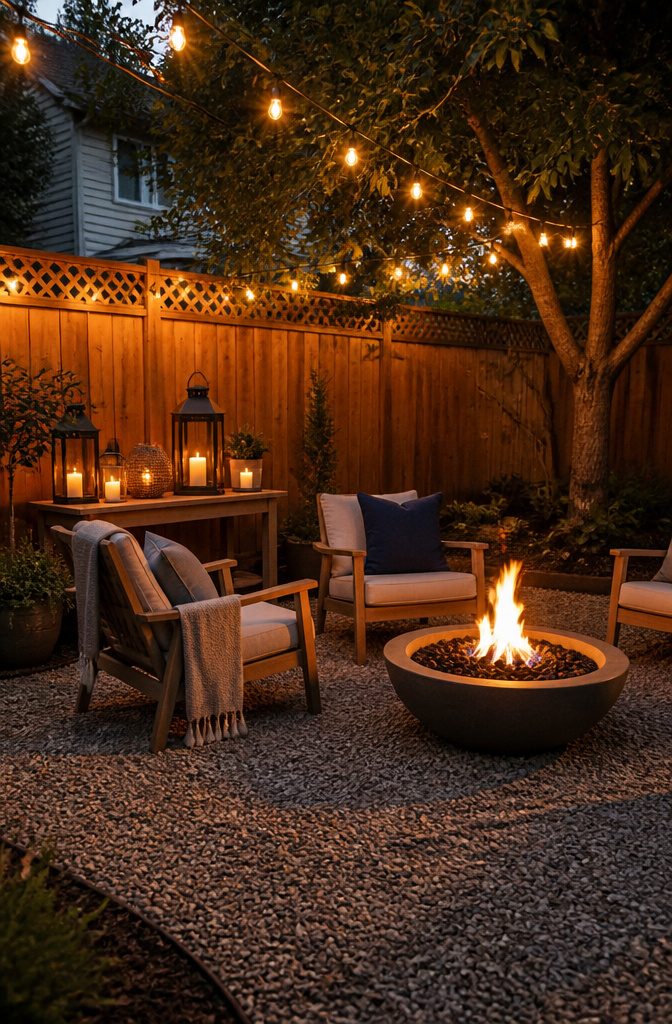
String lights take up zero floor space and run on either solar or electric, which makes them the first thing to try in a small backyard.
I hang mine from the fence to a tree branch, nothing permanent, and the warm glow turns the patio into usable space after dark.
The bulbs come in enough shapes and colors that you can match whatever else is out there.
For something more structured, a gravel or paver base around a fire pit with string lights overhead gives you a defined zone that drains.
Position seating 3 to 4 feet from the fire pit edge so the light reaches the chairs without crowding the space.
What actually survives outdoors matters more than how it looks in the box. Solar strings are the easiest to install without an electrician, but the panels need real sun during the day or the glow quits by nine.
Electric strands stay brighter longer, though you will need an outdoor-rated outlet and a plan for the cord run.
Either way, wrap the wire with enough slack that wind or branch movement does not pull the sockets, and check that the packaging lists actual outdoor use, not just "indoor/outdoor" as a catch-all.

LARGE OUTDOOR STORAGE BOX: Fashionably store your outdoor furniture cushions, pool floats, and more. This outdoor storage bench offers lots of convenient, lockable storage space and has enough room to seat 2 adults.

Large Capacity: NettyPro roller storage bag accommodates Christmas trees, decorations, and cushions for chairs, benches, and chaise lounges up to 65" W x 20" D x 28" H, ensuring easy storage of all your items

DIMENSIONS: Exterior: 50.4 in. W x 21.2 in. D x 23.2 in. H / Interior: 49.6 in. W x 20 in. D x 22.8 in. H
9. Plant Selection for Small Spaces
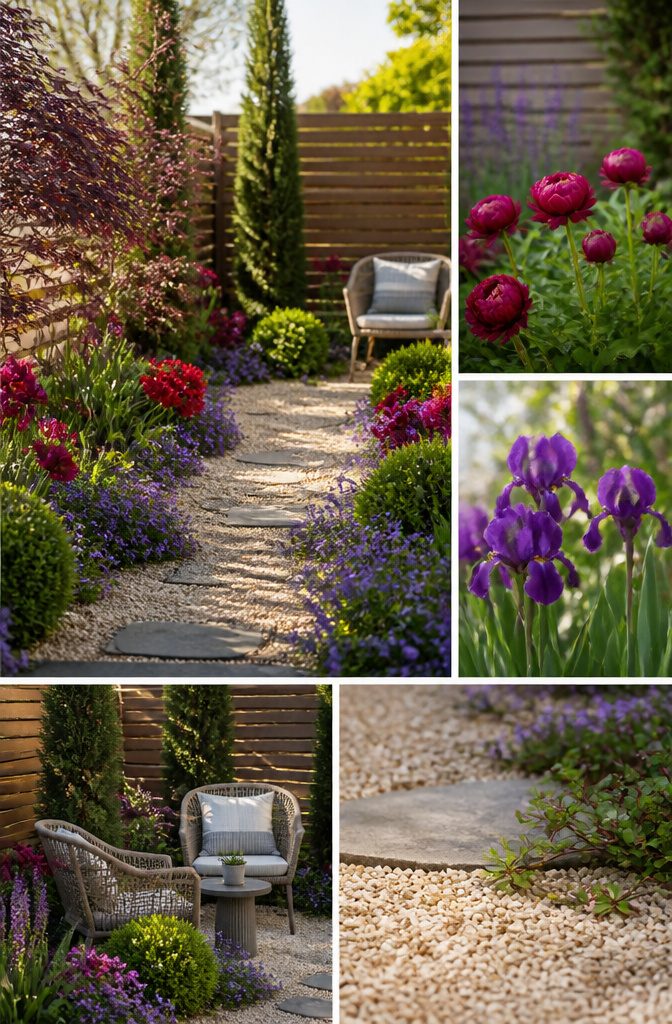
The first mistake I made with my little backyard was buying a hydrangea bred for a suburban lawn. It swallowed the corner in two seasons and left no room for anything else.
Now I look for varieties that stay tight without constant pruning: columnar trees that draw the eye upward without eating the sky, compact shrubs with dense growth habits, and anything labeled as a true dwarf cultivar rather than a slow grower that eventually outgrows its welcome.
Color is where small spaces get their leverage back. Deeply saturated flowers and foliage read brighter and bigger than they are; a saturated red or violet catches light differently than washed-out pastels that dissolve into the background.
I cluster these against neutral hardscaping so the color does the spatial work.
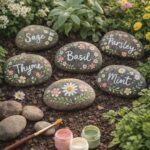
Edible landscaping fits here without squeezing anything out. Hardy herbs like rosemary, thyme, and mint stay manageable in containers you can shift around, and they earn their spot year-round rather than looking spent after one flush.
Parsley and chives tuck into gaps between ornamentals without reading as a separate project. The move is treating food plants as the filler, not the main event, so the yard still looks intentional when the harvest season passes.

SPACE SAVING FOLDING DESIGN: Folds flat for easy storage when not in use and comes fully assembled and ready to use-enjoy this table right away and save space around the home when you've finished

READY TO USE OUT OF THE BOX. No tools, no hassle! This bistro table and chairs set of 2 arrives fully assembled. Simply unfold and instantly enjoy your cozy balcony, garden, or porch space.

10. Shade Solutions
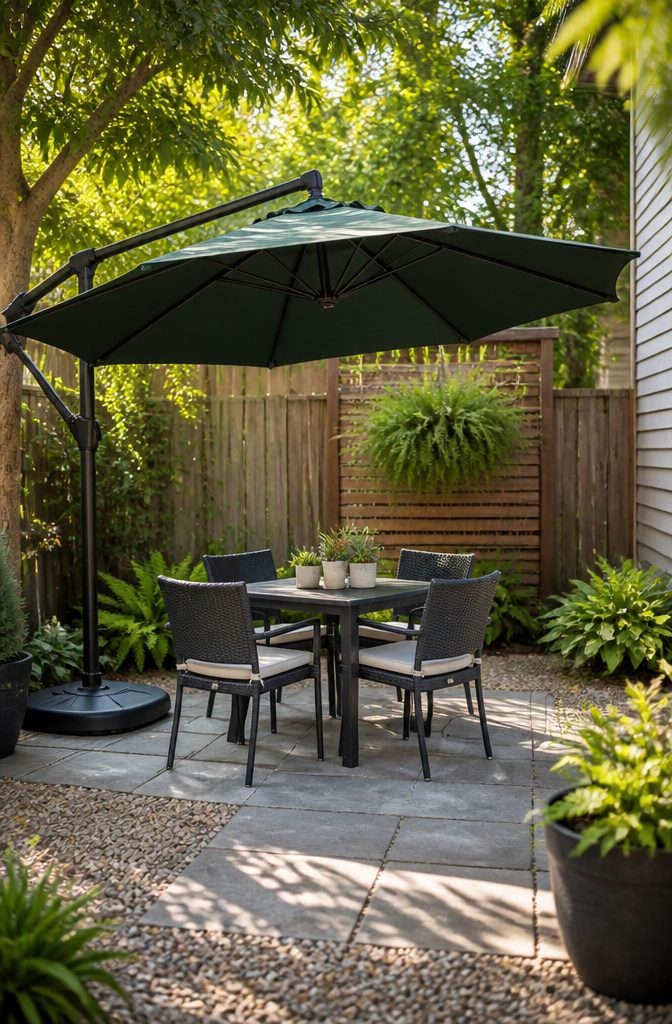
Shade in a small backyard has to earn its square footage every season.
A cantilever umbrella tilts with the sun and clears the table for cooler evenings; that adjustability matters more to me than the span, because a fixed post in a 10-foot patio turns into an obstacle by noon.
Shade sails hang lighter overhead and cost less, but the geometry eats time: three anchor points, tension right, and a plan for where the rain puddles.
I have watched neighbors take them down each October and treat the hardware like a seasonal chore they did not budget for.
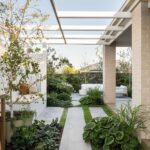
Pergolas read as architecture, which in a small yard means vertical emphasis instead of spread. The height tricks the eye outward, and a climbing vine on one side gives dappled cover without the full leaf load.
Curtains hung inside add privacy and block western sun, though the fabric has to be outdoor-rated or it mildews in two humid summers.
The setup is weekend work with a second person; freestanding kits bolt to a deck, and posts on footings need a hole saw and patience.
Plant-based shade is slow shade. A tree chosen for upward growth rather than canopy spread, something columnar or vase-shaped, gives cover in five to seven years without swallowing the fence line.
Bushes layered underneath fill the gap while you wait; the rule of thumb is small-leafed varieties that let some light through, so the space beneath does not turn to mud.
Planters hung from maturing branches stretch the green upward and double as a privacy screen where fencing is not allowed or not wanted.
Wind is the factor none of the pictures show. Shade sails billow and beat against their mounts; umbrellas lift and walk if the base is underweight.
A five-gallon bucket of sand pushes about sixty pounds, and that is the minimum I have seen hold a ten-foot umbrella steady through a gust.
Anything lighter lives in the garage when the forecast hits twenty mph. Adjustable, removable, seasonable: pick two, because all three in one product still does not exist at a renter-friendly price.

50,000 BTU Heating & CSA Certified: This premium fire pit table delivers robust 50,000 BTU warmth with CSA-certified safety. The windshield protects flames while showcasing a mesmerizing fire display, complemented by decorative crystals that enhance both heat distribution and visual appeal

Elegant Ceramic Tabletop: Spacious enough for six people to gather, this 43″ fire pit table creates a cozy outdoor social hub. Its premium four-piece ceramic tabletop is beautiful, durable, and easy to wipe clean, with heat and moisture-resistance. The sleek stone pattern adds a touch of luxury, while the modern design fits seamlessly in your backyard, patio, deck, lawn, or poolside.

Wanting a Great Patio Party?: Having a patio party is different from an indoor party. Outdoors you need to consider the coldness and a center of attention to gather everyone. A propane fire pit table can provide the atmosphere needed for a great time!(note:1:use soapy water to check for leaks before use 2:The reminder card contains interface size instructions and interface inspection instructions)
What Makes a Small Garden Feel Larger
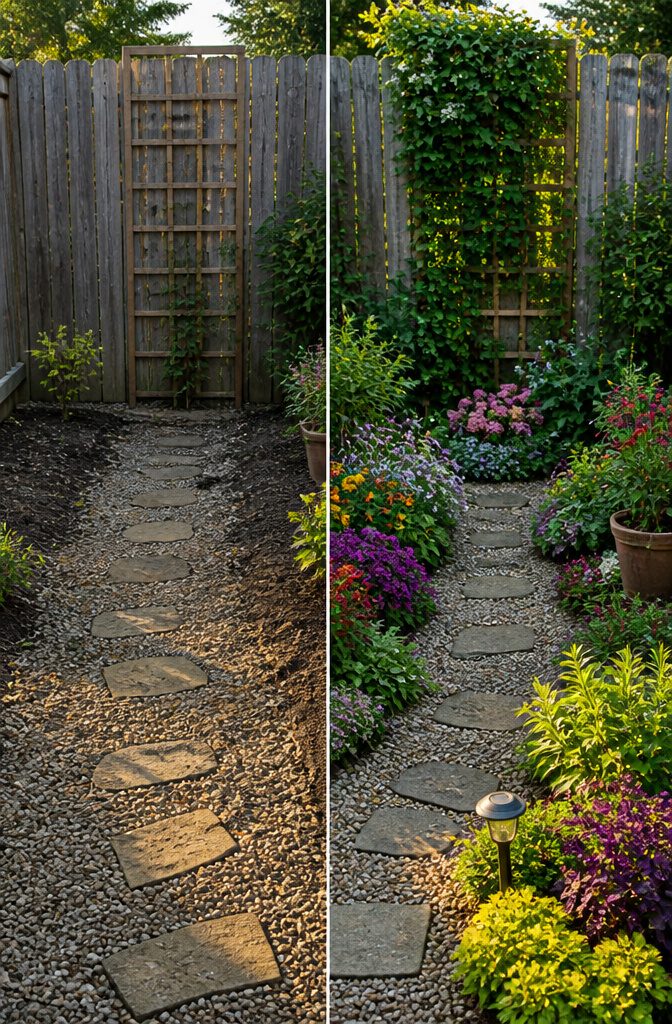
Deep, saturated colors in flowers and shrubs can make a small garden feel brighter and more expansive than pale ones ever will. Two to three main colors, plus white or gray, is the ceiling before a tiny space turns chaotic.
I place the strongest saturation where the eye lands first, usually a focal point against a wall or at the turn of a path, then repeat that same plant in two more spots so the color threads through without shouting.
Vertical draws matter just as much. A tall lattice with vines or a narrow columnar tree pulls the gaze upward, and the sky does the rest if you leave it open.
Layering helps too: low plants in front, medium behind, tallest at the back or against a fence. The depth stacks in the mind and the square footage stops feeling like a cage.
What surprised me, reading through the advice, was how large leaves fit in.
Hostas or ligularia in a shady corner hide what sits behind them, so the eye invents more garden just out of sight. That trick costs nothing extra and works in the spots where sun-hungry flowers give up.
What Makes a Small Garden Feel Luxurious
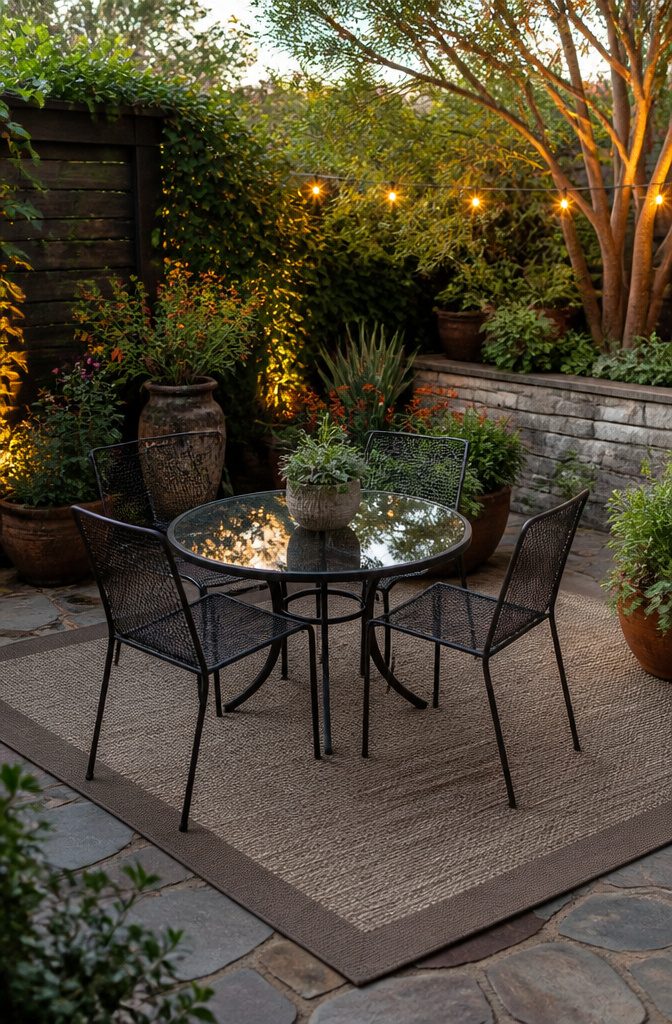
Luxury in a small garden starts with knowing what actually grows where you live.
I spent one spring watching a neighbor replace the same finicky annuals three times before I noticed her mistake: she bought what looked good at the big-box store, not what survived her specific sun exposure and hardiness zone.
Regional plants that thrive with minimal intervention do the heavy lifting; everything else you add just frames what already works.
The framing itself matters more than the footprint. A single wall mirror mounted behind a lattice, or a glass-top table catching late light, does what reflective surfaces do in a room: they double the visual space without adding clutter.
I look for rechargeable battery-operated lanterns rather than string lights that tangle and dim. One or two strong shapes beat a scattering of small accessories.
For furniture, one quality piece outlasts three cheap sets. A comfortable chair with clean lines and a small outdoor rug beneath it reads as an outdoor living room, not a patio afterthought.
Vintage planters, something with the texture of a Willy Guhl piece, hold herbs or tomatoes and age better than resin ever will.
The cost stays manageable because the count stays low: one mirror, one rug, one good chair, two lanterns, and plants that want to be there.
Styling a Small Garden Without Clutter
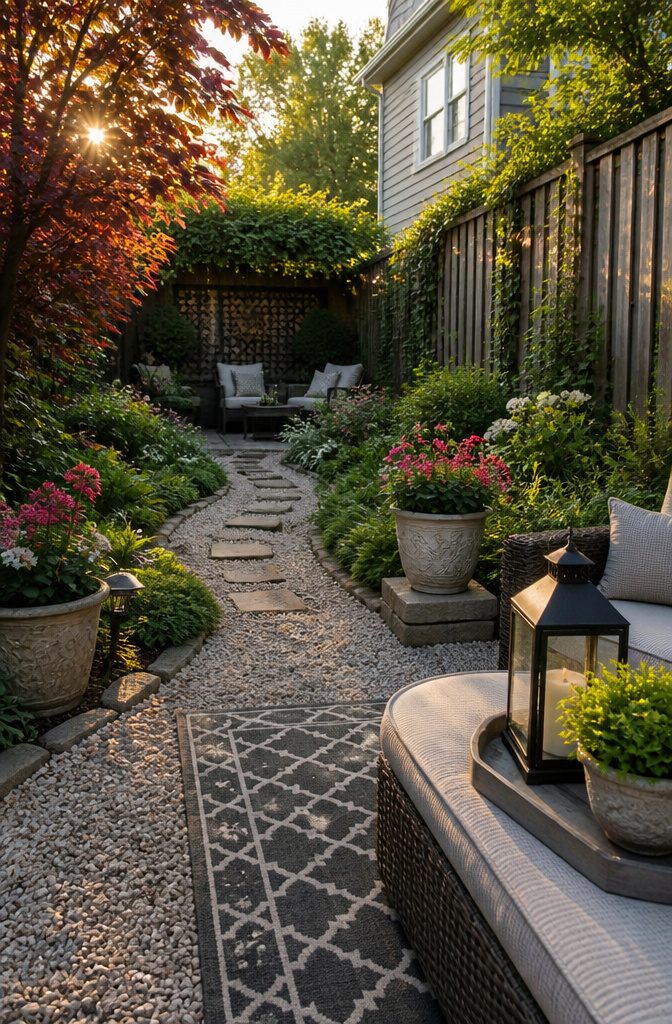
A small garden starts looking like a junkyard the moment you stop editing it.
The best little backyard ideas I have seen treat the space like a room, not a storage yard: hardscape materials such as crushed stone and gravel give paths and seating areas structure, and planting around those edges keeps the whole thing from closing in.
Quality outdoor materials for furniture and accessories are what separate a styled corner from a patio that looks like it grew there by accident.
Vintage planters by Willy Guhl add texture and double as perches for vegetables and small patio flower beds; glass candle holders in strong, simple shapes do the same reflective work a wall mirror would behind a lattice, bouncing light without adding bulk.
Rechargeable battery-operated lanterns and candles finish it after dark.
Regular maintenance means something you can actually do. In my own rhythm, that is fifteen minutes of deadheading and sweeping on Saturday morning, not a Sunday overhaul.
Skip two weekends and the gravel migrates, the candle holders green over, and the whole composition falls apart. The schedule is the style.
Pools in Small Backyards
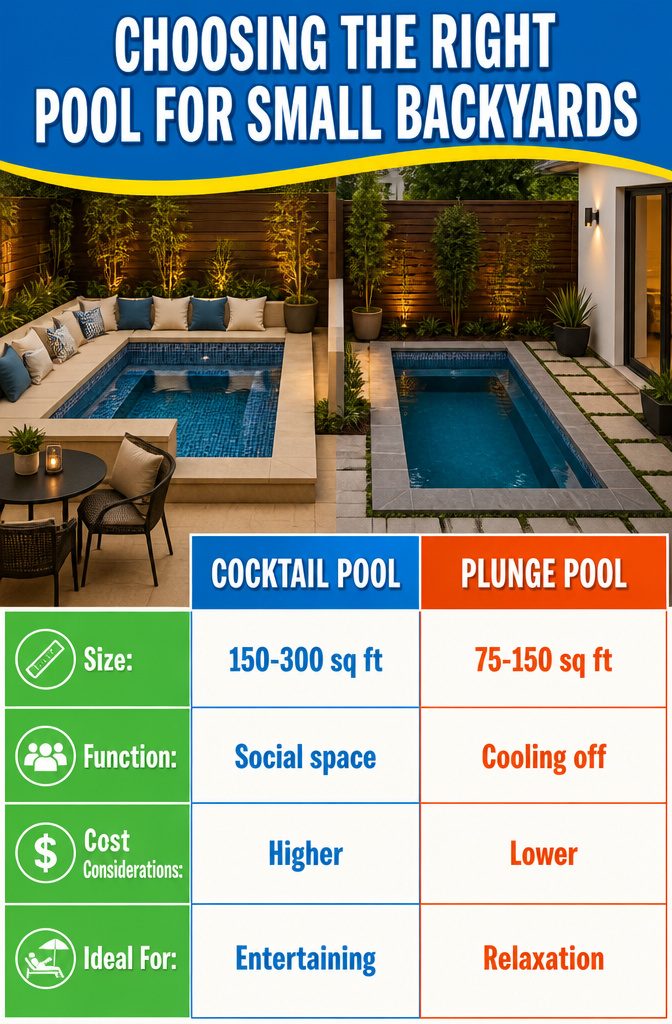
A pool in a small backyard is possible, but cocktail and plunge pools differ enough in size and function that the choice matters before you call a contractor.
Plunge pools run 75 to 150 square feet, built deep and compact for cooling off. Cocktail pools need more room, around 150 to 300 square feet, and typically include built-in seating that turns the water into a social space.
Neither is a weekend project, and neither belongs in a few-hundred-dollar budget. The pool itself is only part of the footprint.
Equipment, decking, and even modest seating add another 100 to 200 square feet or more around the edges. Permits, excavation, and utility routing vary by municipality, so costs escalate quickly and unpredictably.
For renters, this is almost certainly off the table. For first-home owners with a permanent address, the payoff is real but the timeline is months, not Saturdays.
If the space and budget are tight, a water feature like a sleek waterfall or LED pool lighting delivers atmosphere without the excavation.
Regional Plant Choices That Survive
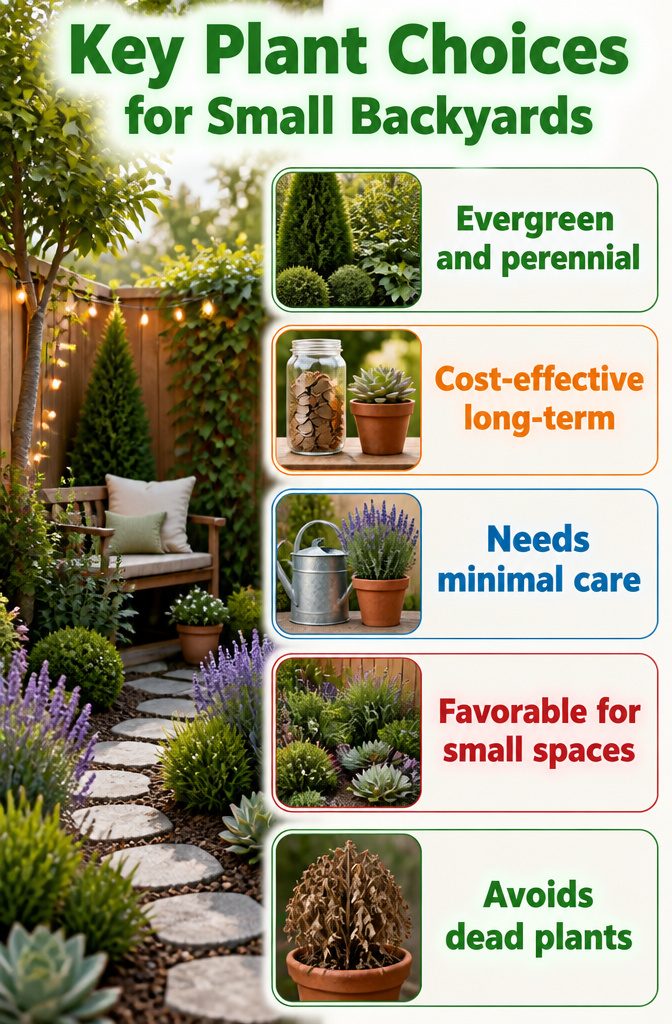
A small backyard survives on plants that want to be there.
Researching what flourishes in your particular region keeps you from watering a sculpture of dead leaves by August, and it is the single gate between "sad, boring concrete space" and the rest.
Bringing in vegetation that is evergreen and perennial is smart long-term thinking.
That means the plant tag at the nursery is not enough.
The USDA zone on the label says where a plant might live; your specific clay or sand, your afternoon brick-wall heat, your two-week spring monsoon, these say whether it will.
Two ways to find this without becoming a botanist: your county extension office keeps lists of what dies and what thrives locally, and a walk through older neighborhood gardens in late July shows what has survived five summers of neglect.
I have learned this by ignoring it. Lavender from a big-box store looked perfect in April, crisp and fragrant; by August it was straw in wet soil it could not forgive.
A dwarf boxwood I planted too close to a downspout drowned in standing water that a local grower would have warned me about. Both tags said "hardy," and both missed the region they were sold into.
Opt for short and compact plants once you know your conditions. Dwarf boxwood, ornamental grasses, succulents, and shrubs require minimal care and pruning, and they do not steal the square footage you came to maximize.
Small backyard gardens need structure even more than large ones; without it, the garden looks patchy between bloom periods and lacks presence in winter.
A simple four-layer planting model helps compact gardens look full without feeling chaotic. Start with the vertical layer: multi-stem small trees, evergreen screening shrubs, trellised jasmine, clematis, or trained fruit trees add drama without taking much ground area.
Frequently Asked Questions
How do you make a small garden feel larger?
Use deeply saturated colors in flowers and shrubs, limit yourself to two or three main colors plus white or gray, and layer plants with tall varieties in back, medium in the middle, and low growers in front.
Vertical elements like trellises with vines or narrow columnar trees pull the eye upward, and large-leafed plants such as hostas in shady corners hide what sits behind them so the mind imagines more garden beyond.
What’s the key to making a small garden feel luxurious?
Research plants that actually thrive in your specific region and conditions, then frame them with a few quality pieces rather than many cheap ones.
A single wall mirror behind a lattice, a glass-top table catching light, one comfortable chair with clean lines on a small outdoor rug, and rechargeable battery-operated lanterns create the effect without clutter.
How do you decorate a small garden in style?
Treat it like a room, not a storage yard: hardscape materials such as crushed stone and gravel give structure, and planting around edges keeps the space open.
Choose quality outdoor furniture and accessories, add vintage planters for texture, and maintain the space regularly with brief sessions rather than letting it pile into weekend overhauls.
Is a pool a good idea for a small backyard?
Plunge and cocktail pools are possible but demand serious commitment of space, budget, and months of timeline. Plunge pools run 75 to 150 square feet built deep for cooling off; cocktail pools need 150 to 300 square feet with built-in seating for social use.
Neither fits a few-hundred-dollar budget or a few free Saturdays, and equipment, decking, and seating add another 100 to 200 square feet or more around the water.