
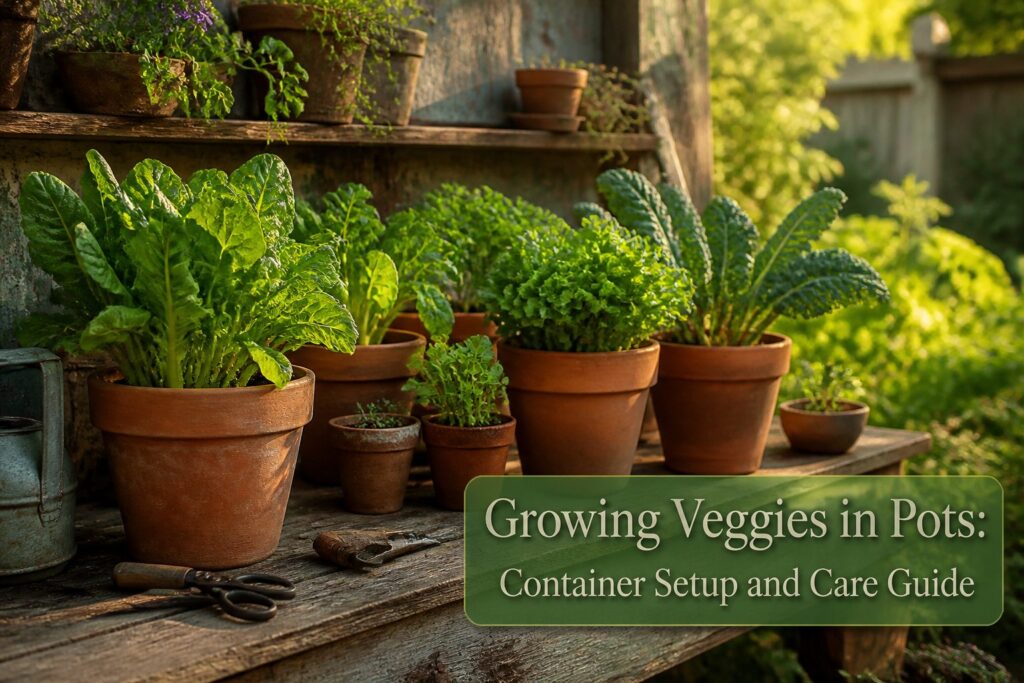
Growing veggies in pots is raising edible plants in containers instead of ground beds, and it only works if water can actually leave the pot.
A container without drainage holes traps standing water that rots roots within days. Drill holes if there are none, or pick a different pot.
Choose the Right Container
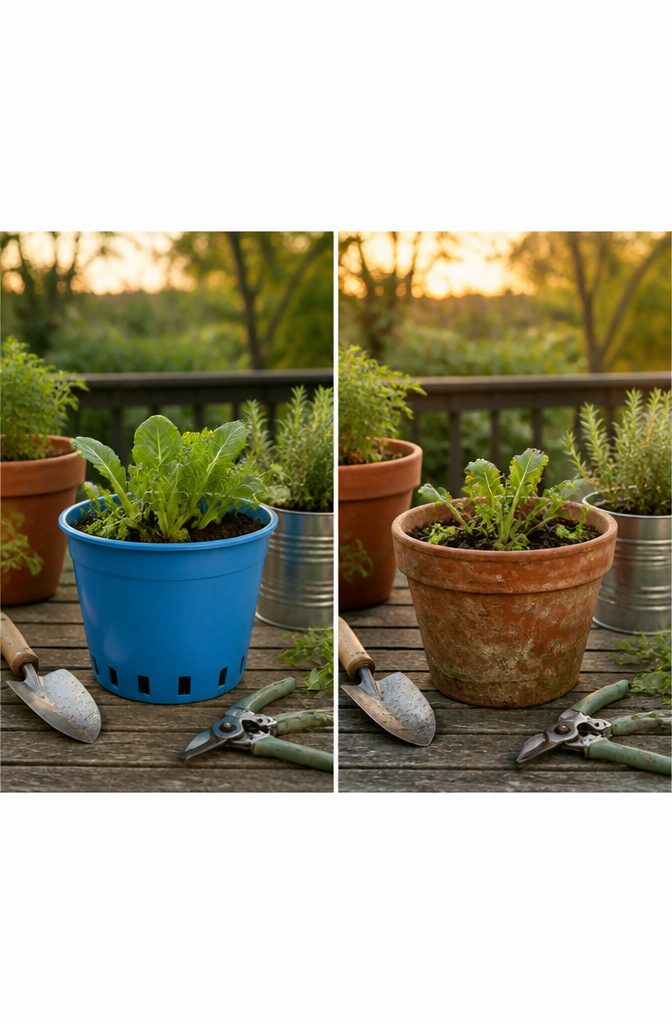
The first thing I check on any pot is whether water can actually leave it. A container without drainage holes traps standing water around the roots, and that sitting moisture rots them fast.
Drill holes if there are none, or choose a different pot. Mesh or a coffee filter over the opening keeps soil from washing out without blocking the flow.
Size matters more than most beginners expect. A tomato plant needs at least 5 gallons of soil volume for its root system to develop enough to support fruiting.
Lettuce is far less demanding; 8 inches deep and 8 inches wide per plant handles it. The larger the container, the more slowly it dries, which means less frantic watering on hot weekends.
Plastic holds moisture longer, which helps if you forget to water.
Terracotta breathes and dries faster, which suits herbs that want drier feet but risks wilting in mid-July. Metal looks sharp in photos, yet it absorbs heat and can cook roots on a sunny balcony.
For someone starting out, I reach for plastic every time. Plastic does not breathe, so you watch for soggy soil more carefully, but it forgives the missed watering that kills a terracotta planting in August.
Prepare the Potting Mix
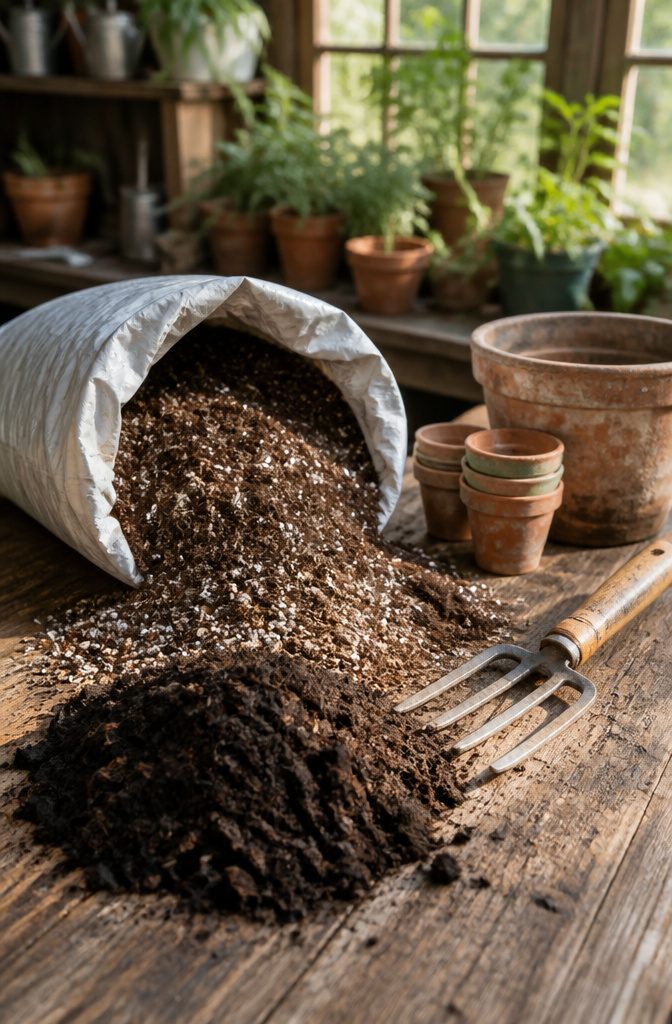
Garden soil packed into a pot turns to concrete inside a season.
It compacts under its own weight, drains so poorly that water sits against the roots, and that standing water invites the root rot that kills more container vegetables than any pest.
The right buy is a lightweight potting mix, not topsoil or raised bed mix, because those are built for open ground and hold too much moisture in a confined space.
A proper potting mix carries three things: peat moss or coco coir for holding moisture without choking roots, perlite or vermiculite for keeping air channels open, and compost or organic matter for nutrients.
Many mixes come with starter fertilizer mixed in, but that runs out mid-season and you will need to supplement.
I work compost into the blend when I fill the pot, though I never measure it by the cup for each container size. No source I have found gives reliable per-volume ratios, and guessing exact quantities feels dishonest.
My approach is simpler: a couple generous handfuls worked through the upper half of the mix, more for larger pots, less for a single herb planter.
The plants tell me if I have the balance wrong, and I adjust the next round.
Fill the Container
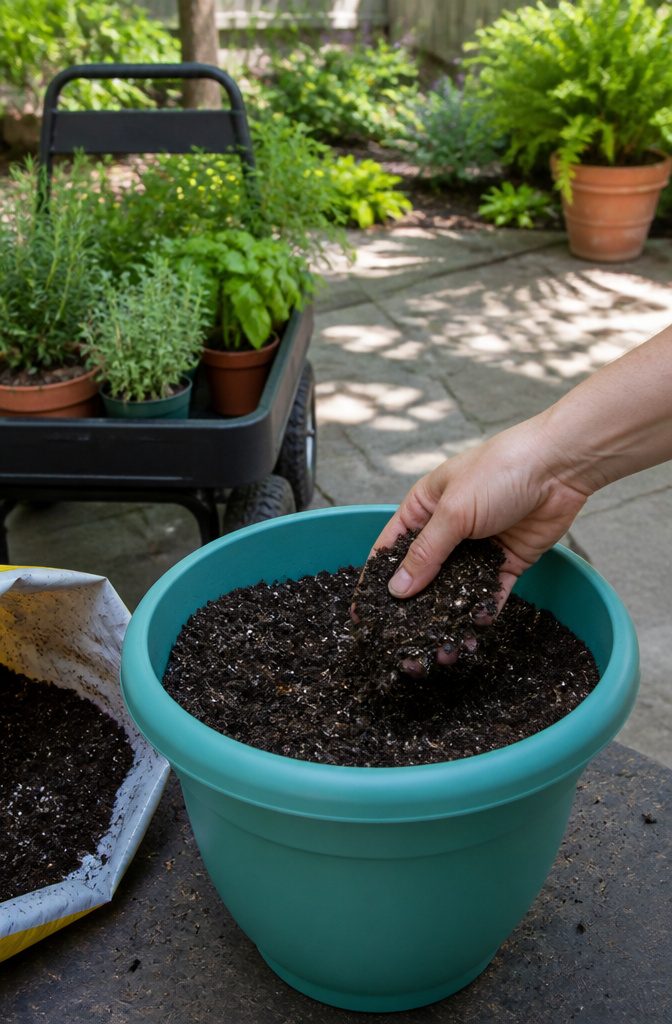
Fill the container to within an inch of the rim, no higher and no lower. That gap gives water somewhere to sit while it soaks in instead of spilling over the edge and carrying your nutrients onto the patio.
Overfill by even half an inch and the first hard watering sends potting mix and whatever fertilizer you just added straight down the drain.
I settle the soil by tapping the pot on the ground a couple times rather than pressing down with my hands.
Packing it tight squeezes out the air roots need, and peat-based mixes especially need that looseness to absorb water the first time. Before I set any plant in place, I run one more check on the drainage hole.
A coffee filter or scrap of mesh over the opening keeps the mix from washing out without blocking flow, but if that hole is obstructed now, it only gets harder to fix once the roots are in and the container is sitting somewhere awkward.
Plant the Vegetables
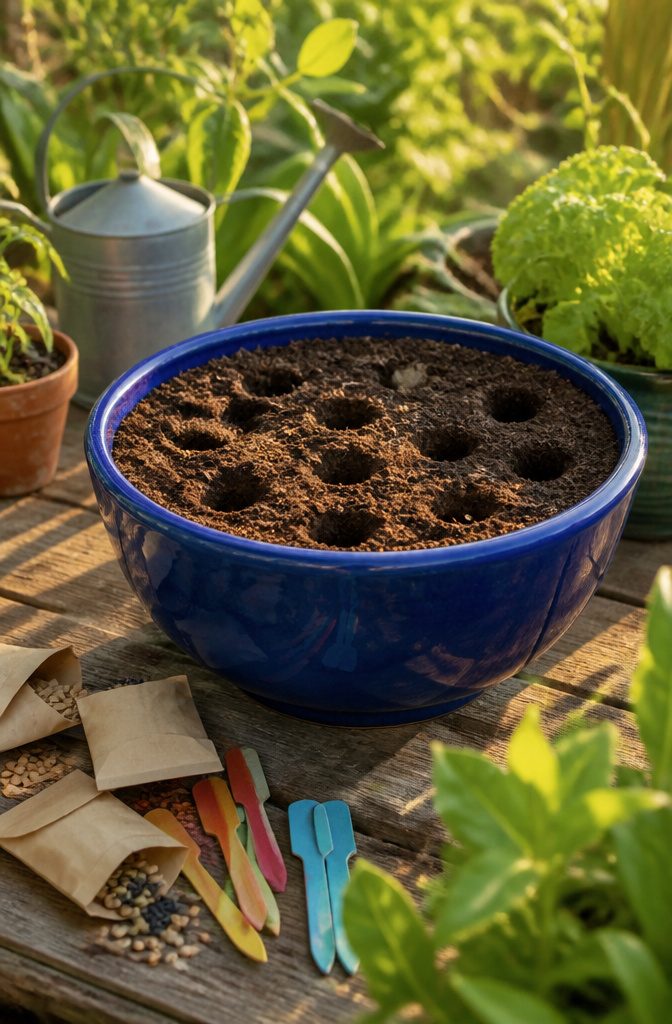
Spacing rules work the same whether you start from seed or set out transplants.
Crowding a pot costs more in lost yield than it ever saves in soil, so I read the seed packet every time, even when I think I have the spacing memorized.
Compact varieties bred specifically for containers, like the determinate tomato ‘Celebrity’ or the eggplant ‘Hansel’, buy you a little more room, but the root crown still needs to sit at exactly the depth it grew before, never deeper.
Shallow planting starves the roots; deep planting rots the stem. For transplants, that means matching the soil line on the nursery pot.
For direct-sown seed, I press it in barely covered and trust the watering to settle it, because a buried seedling wastes the one advantage a container gives you: controlled, loose soil from day one.
Water Thoroughly
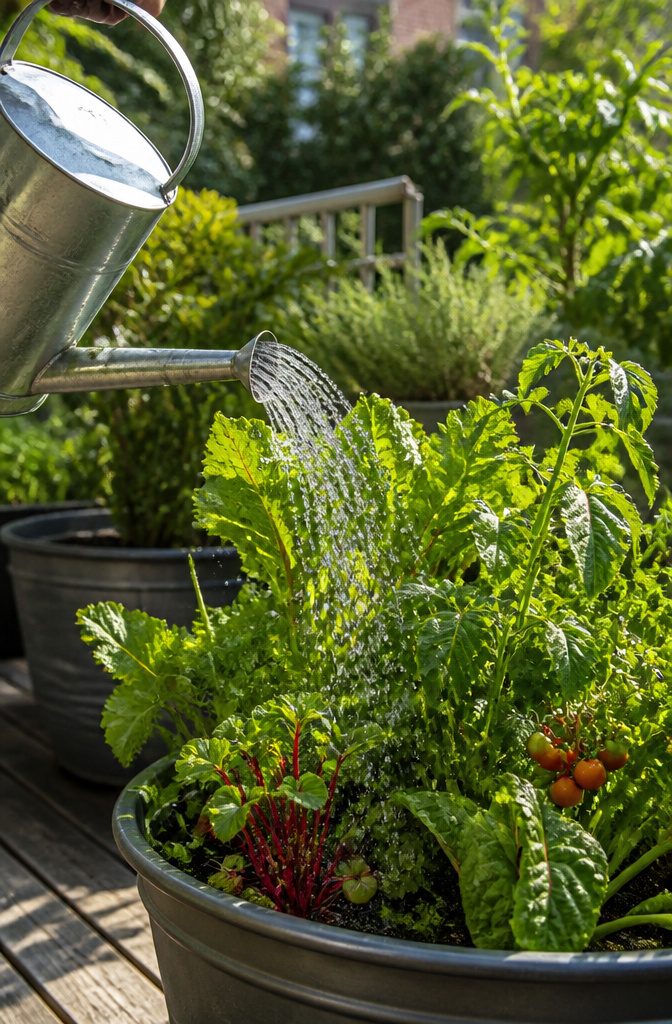
Water wants to run from the bottom of the pot. That is the test.
Keep going until you see it escape the drainage holes, then stop. The next morning, stick a finger down to the first knuckle; if the top inch still feels damp, wait.
If it is dry, water again. Same flood, same check.
In July heat, a small container can go from soaked to parched in a single afternoon, so once or even twice daily is not dramatic, it is just the math.
The mistake is the quick sprinkle that only wets the surface.
Roots trained to stay shallow dry out fastest, and by the time you notice wilting the damage is done. I have killed more than one tomato by guessing the soil was wet enough instead of actually checking.
Fertilize Regularly
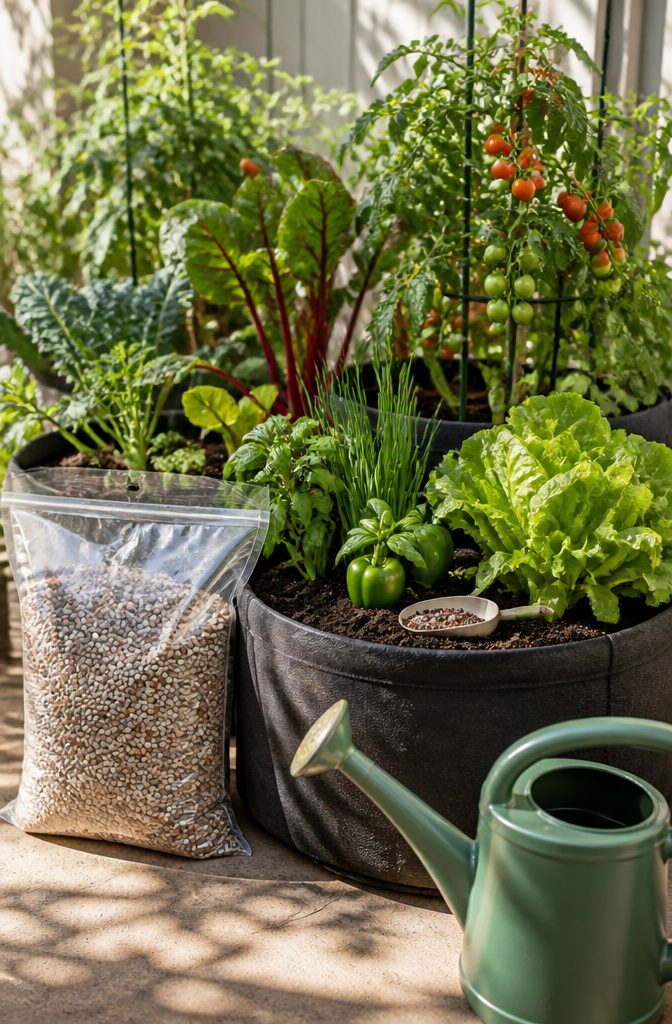
A balanced slow-release granular with an NPK ratio of 7-7-7 or 14-14-14 gives vegetables in pots the steady feed they need.
Containers exhaust nutrients faster than ground soil, so the schedule matters more than chasing a brand name. I mix it into the top few inches at planting, then let it work for several weeks before thinking about it again.
Once flowers and fruit start forming, that granular base alone falls short.
Liquid fertilizer, diluted and applied every two to three weeks, bridges the gap. Fish emulsion, seaweed extract, or a synthetic blend all work; the point is hitting the timing, not flying an organic flag.
I skip organic-only pride the moment leaves yellow or growth stalls. The plants do not care about my principles, and a hungry tomato in a pot has nowhere else to turn.
Monitor and Maintain
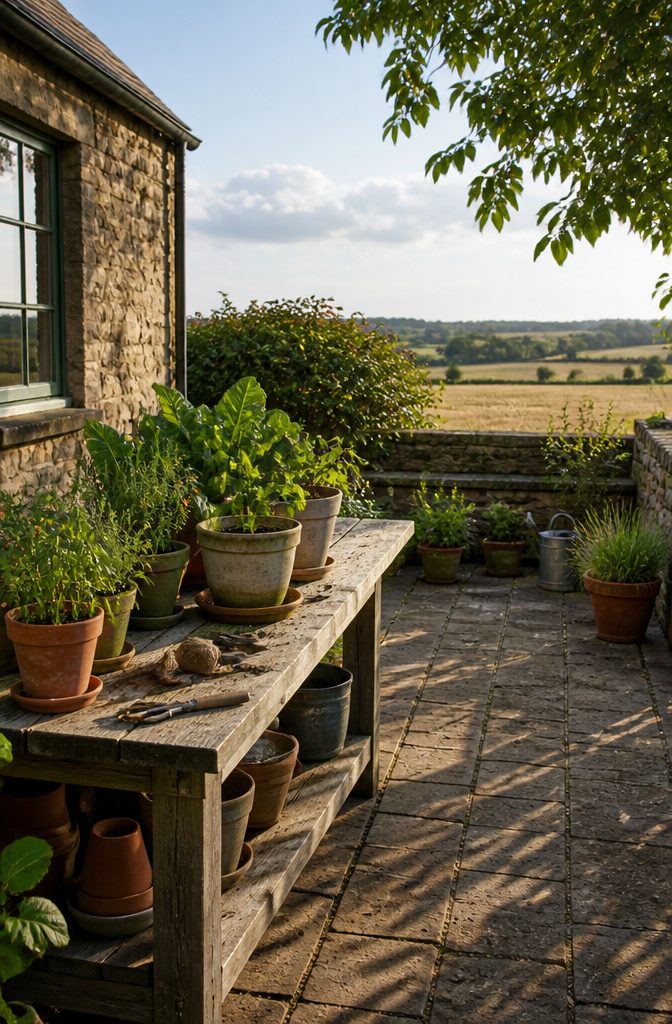
Container plants telegraph trouble before a garden row ever would, and that speed is useful if you are watching.
I check leaf undersides for aphids and the pale stippling that marks spider mite damage every few days; a single squash bug on a zucchini in a pot is easier to spot and remove than in sprawling ground cover.
Root rot from a mix that holds too much water shows up as sudden wilting even when the soil is wet, and overcrowding in a tight container stunts faster than in open earth, so I thin seedlings harder than my instincts suggest.
Watering shifts with the weather and the plant’s stage, not with a calendar. A tomato in a root-filled pot in July heat can need water daily; the same plant in May wants it every third day.
I judge by the top inch of mix drying out, and I keep moisture steadier for tomatoes specifically because swings worsen blossom-end rot.
The same rule applies to feeding: nutrients flush out with every drainage hole, so a container needs intentional, consistent replacement rather than a monthly schedule I never adjust.
Some problems I can treat, and some I cut.
A light aphid wash or an early fungal trim costs little time, but a plant with advanced root rot in a too-small pot is not worth the soil I would waste trying to save it.
Starting over is sometimes the cheaper fix.
Best Vegetables for Containers
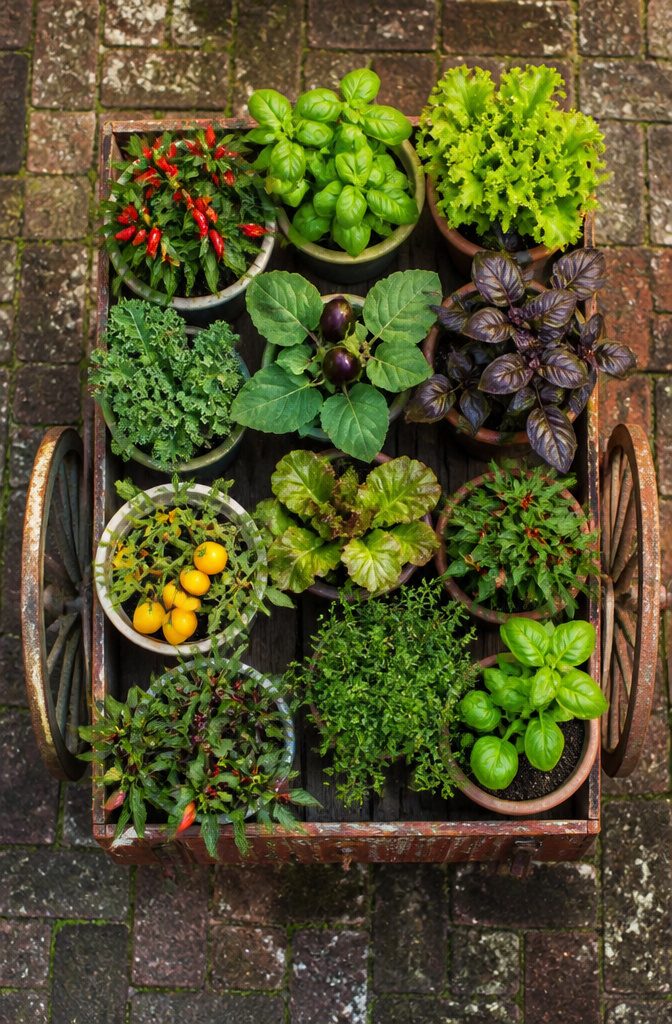
Some vegetables turn a single pot into a real harvest, while others fight the space from day one. A 5-gallon container is the minimum for a tomato to thrive, and it still needs staking or a cage.
Compact pepper varieties stay manageable and fruit heavily for the room they take. Lettuce asks for only 8 inches of soil depth and rewards the cut-and-come-again method with weeks of leaves from one sowing.
- Radishes finish fast in almost no space; succession-plant every two weeks for a steady crop.
- Spinach prefers cool weather and bolts once summer heats up, so start early and replant as temperatures drop.
- Lettuce at that shallow depth keeps the pot light enough to move into partial shade when afternoons warm.
- Basil and parsley share a pot well; keep them in a container under 2 gallons and snip often to delay flowering.
- Bush beans give the yield of a pole bean without the vertical structure; pole varieties demand more room than pots realistically offer.
- Compact or dwarf eggplant was bred specifically for containers and fruits without the sprawling habit standard varieties need.
Start tomatoes, peppers, and eggplant from nursery plants unless you have the indoor setup for seed-starting six to eight weeks before the last frost. The rest go straight from seed into the pot.
Container Size and Material
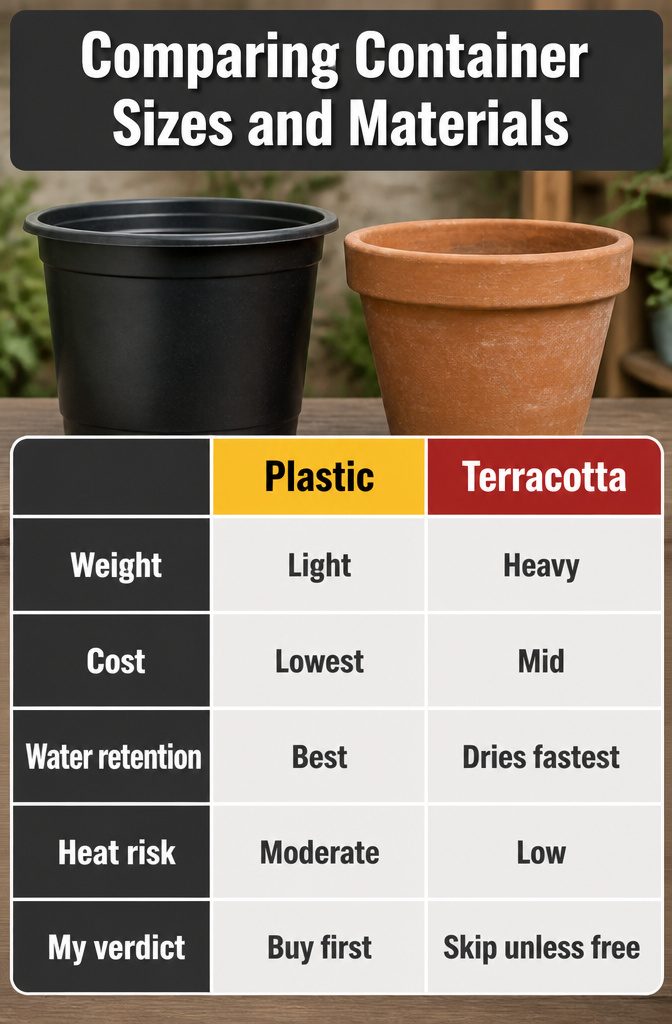
A five-gallon bucket holds enough soil to keep a tomato’s roots from circling and enough water that I am not out there twice a day in July.
Smaller pots dry out faster, need more babysitting, and still topple when a pepper plant gets top-heavy.
Weight is the real problem: wet soil runs about eight pounds per gallon, so that same five-gallon pot hits forty-plus pounds. I pick what I can carry to the hose without asking for help.
Material matters more than color. Plastic stays light, costs least, and holds moisture longer, but it also holds summer heat and can cook roots if it sits against a south wall.
Terracotta breathes and looks sharp, yet it soaks water out of the soil and cracks the first hard freeze if I forget to haul it in.
Metal is the wild card: galvanized buckets and old washtubs fit the Pinterest aesthetic, but they heat up fast and usually need drainage holes drilled myself.
| Weight | Cost | Water retention | Heat risk | My verdict | |
|---|---|---|---|---|---|
| Plastic | Light | Lowest | Best | Moderate | Buy first |
| Terracotta | Heavy | Mid | Dries fastest | Low | Skip unless free |
| Metal | Moderate | Varies | Low | Highest | Avoid unless free |
I build my collection from plastic for the workhorses and keep one eye out for metal I can grab at no cost.
Terracotta only comes home if someone is giving it away and I have the shelf space to overwinter it indoors.
Sunlight and Placement
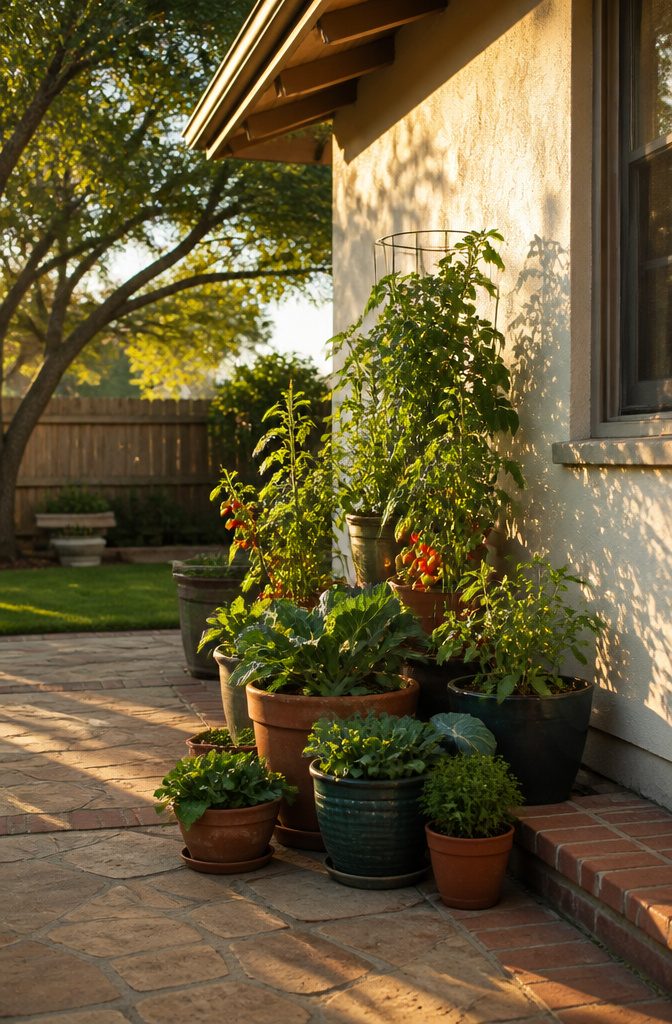
Most vegetables need 6 to 8 hours of full sun to produce well, and six hours is the bare minimum for decent performance.
Leafy greens like spinach and lettuce will tolerate partial shade, but fruiting crops such as tomatoes and peppers want every hour of light they can get.
The real advantage of containers is that they move.
Fixed beds lock you into whatever sun pattern the yard gives you, but a pot on casters or a light terracotta pot you can lift lets you chase the light as the seasons shift.
I spend a morning tracking sun across my space before I commit anything to a spot, marking where full sun actually lands versus where I assume it does.
Walls and railings change the math. They bounce heat and light onto plants in ways open ground never does, which can push a borderline-sunny corner into viable territory or tip an already hot spot into scorch.
Leaves that bleach to pale green or develop crisp brown patches are getting too much reflected intensity.
Leggy growth and few flowers mean too little. The container gardener learns to read these signs and roll the pots accordingly.
Potting Mix and Drainage
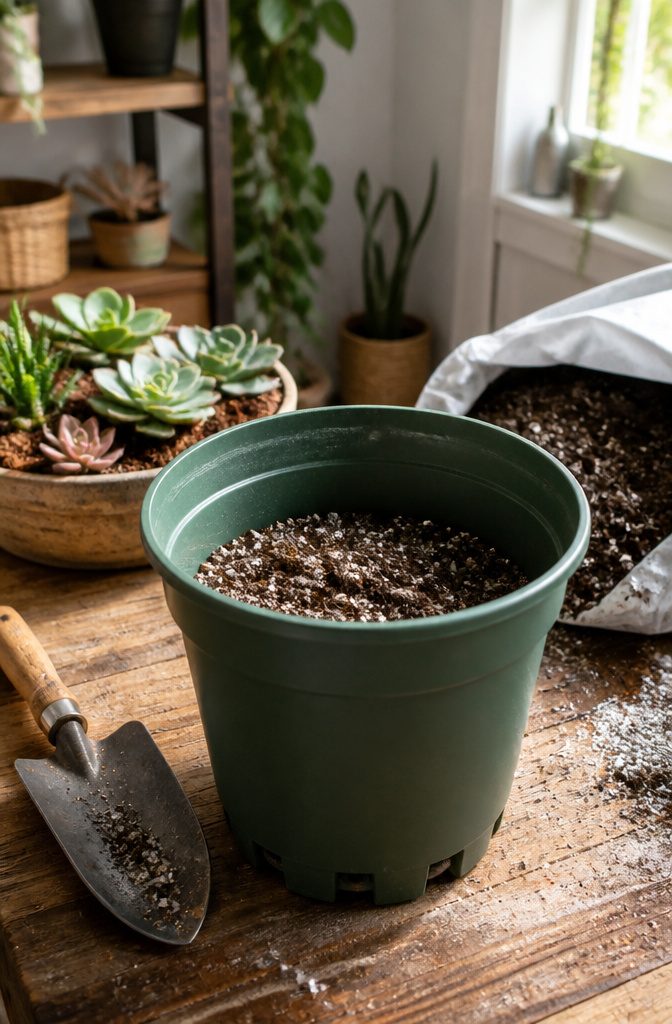
Drainage holes alone won’t save a plant if the potting mix itself holds water like a sponge.
Garden soil is wrong even when mixed with lighter stuff, not just when used straight. It compacts, drains poorly, and lacks the structure roots need in a confined space.
A proper mix is built from three things. Peat moss or coco coir gives the mix its body and holds moisture without drowning roots.
Perlite or vermiculite creates the air pockets that let water move through and roots breathe. Compost or aged organic matter feeds the plant over the season, though you’ll still need to supplement as nutrients deplete.
Before I plant anything, I test what I’ve got. I fill the pot to within an inch of the rim, flood it with water, and watch the clock.
If water is still pooling on top after several minutes, the mix is too dense and I start over with a lighter blend.
A good container mix drains freely enough that you see it exit the bottom holes almost immediately, yet holds enough moisture that the top doesn’t turn bone-dry overnight.
Watering and Fertilizing Schedule
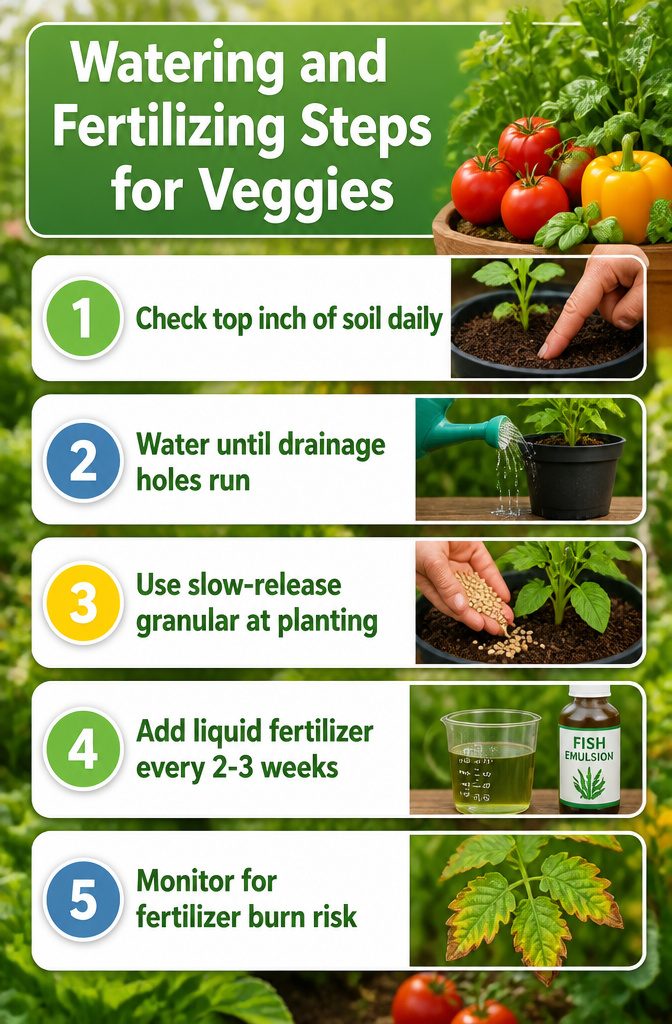
The top inch of potting mix dries out fast in a container, so I check it every morning with a finger.
If it feels dry, I water until it runs from the drainage holes. In midsummer heat, my plants sometimes need that twice a day, especially in smaller pots that lose moisture fast.
For feeding, I start with a slow-release granular worked into the potting mix at planting. It breaks down over weeks and gives a baseline the roots can always reach.
Once flowers or fruit set, the plant’s appetite jumps past what that steady release can keep up with. That’s when I add a water-soluble liquid, a diluted fish emulsion or seaweed blend, every two to three weeks.
Half strength beats double here — the roots in a pot have nowhere to run from fertilizer burn, and concentrated doses damage them faster than in open ground.
The granular alone leaves plants hungry at peak production.
Liquid alone means constant mixing and easy to forget. Running both covers the full season without either one doing all the work.
Pest and Disease Watch
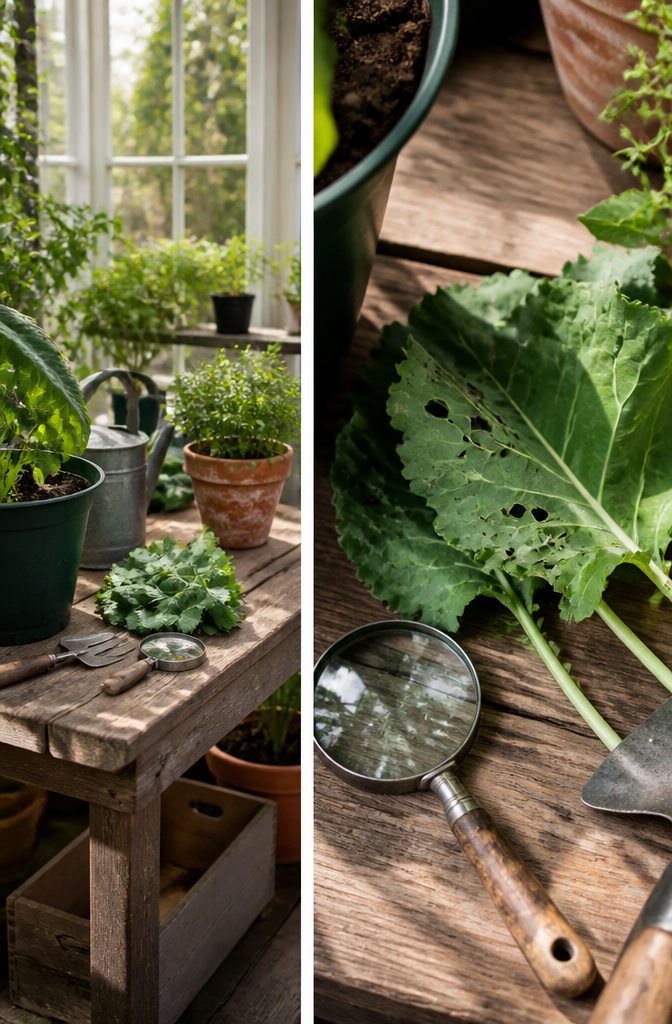
Aphids and spider mites find potted plants first because the dry edges of a container stress the foliage just enough to make it sweet.
I check the undersides of leaves weekly for the stippled yellowing that mites leave behind, and for the sticky residue aphids deposit after they cluster on new growth.
Fungus gnats are a different signal: they mean I watered before the top inch dried, letting larvae breed in saturated mix. Root rot from poor drainage finishes what the gnats started, turning stems black at the soil line.
The one advantage my pots give me is isolation from the neighbor’s soil-borne problems.
What lives in their garden beds does not migrate into my containers. Crowded plants still share trouble, though, so I space mine to let air move between leaves and never stack pots so tight that pests walk across.
When I spot any of these signs, I take the plant to the sink and spray the foliage hard, top and bottom, with plain water. That knocks off most of what is there.
I do not keep a spray schedule beyond that. Prevention and early removal have always been enough for me, and I would rather lose a single plant than coat my food in something I did not need.
Frequently Asked Questions
What vegetables can I grow in containers?
You can grow tomatoes, peppers, lettuce, radishes, spinach, basil, parsley, bush beans, and compact eggplant varieties in containers.
Tomatoes need at least a 5-gallon pot, while lettuce only needs 8 inches of depth. Compact varieties bred for containers, like ‘Celebrity’ tomatoes or ‘Hansel’ eggplant, perform best in limited space.
How often should I water my container plants?
Water when the top inch of potting mix is dry, which can mean daily or even twice daily in midsummer heat for smaller pots.
The test is water running from the drainage holes; a quick sprinkle that only wets the surface trains roots shallow and leads to faster wilting. Steady moisture matters especially for tomatoes, since swings worsen blossom-end rot.
What type of soil is best for container gardening?
Use a lightweight potting mix, never garden soil or topsoil.
Garden soil compacts to concrete in a season, drains poorly, and invites root rot. A proper mix contains peat moss or coco coir for moisture, perlite or vermiculite for air channels, and compost for nutrients.
Is it okay to grow vegetables in potting soil?
Yes, potting soil is exactly what you want, as long as it is a mix designed for containers and not garden soil relabeled.
The mix should be lightweight, drain freely within minutes, and hold enough moisture that the top does not turn bone-dry overnight. Many mixes include starter fertilizer, but you will still need to supplement mid-season.
How many broccoli can you grow in a 5 gallon bucket?
A 5-gallon container is the minimum for a single tomato or squash plant to thrive, and the general rule is one fruiting plant per pot that size.
Broccoli is a heavy feeder with a substantial root system, so one plant per 5-gallon bucket is the safest bet based on the spacing logic given.
What month should I start planting vegetables?
Start tomatoes, peppers, and eggplant from nursery plants unless you have indoor seed-starting space six to eight weeks before your last frost. Leafy greens, radishes, and herbs go straight from seed into the pot once soil can be worked.
What is the 5, 4, 3, 2, 1 gardening method?
It appears to be a separate planting system not covered here.





