
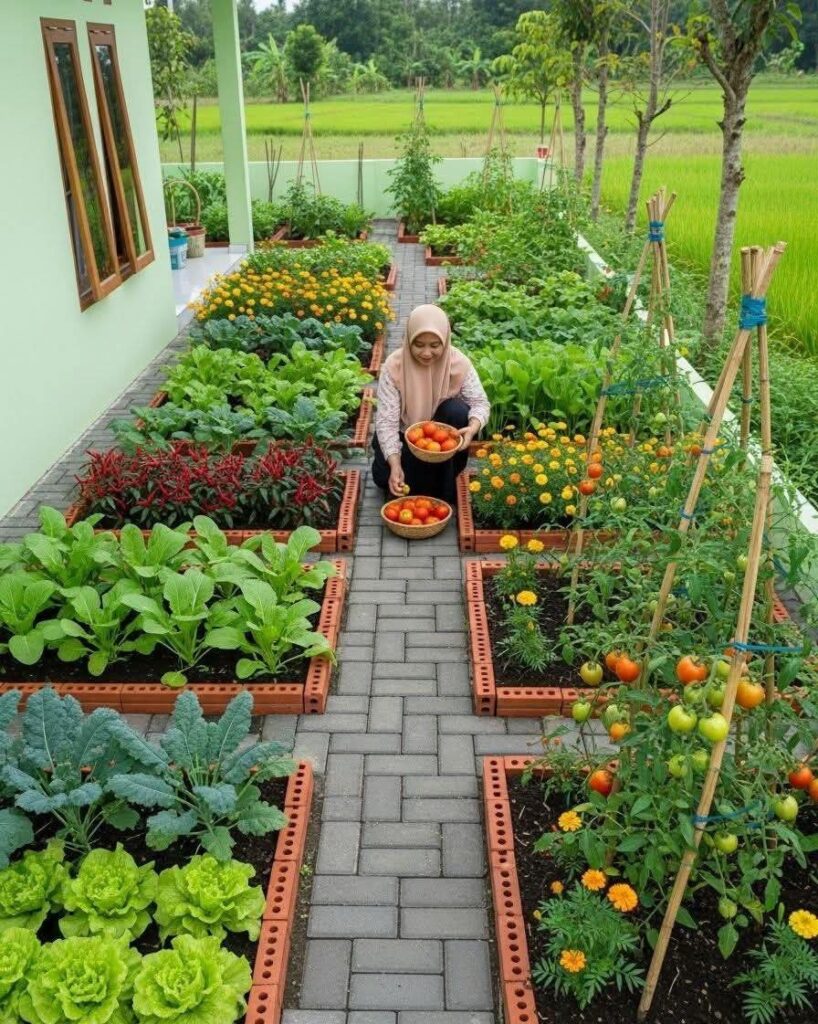
These ideas run from stacked tires you source yourself to vertical hydroponic towers with pump systems, so the deciding factor is how much machine-tending you want in your garden versus hands-in-dirt work.
The brick-sided raised beds alone buy you extra weeks of growing season for peppers and eggplant because the walls warm faster than ground-level soil in spring.
1. Raised Garden Beds
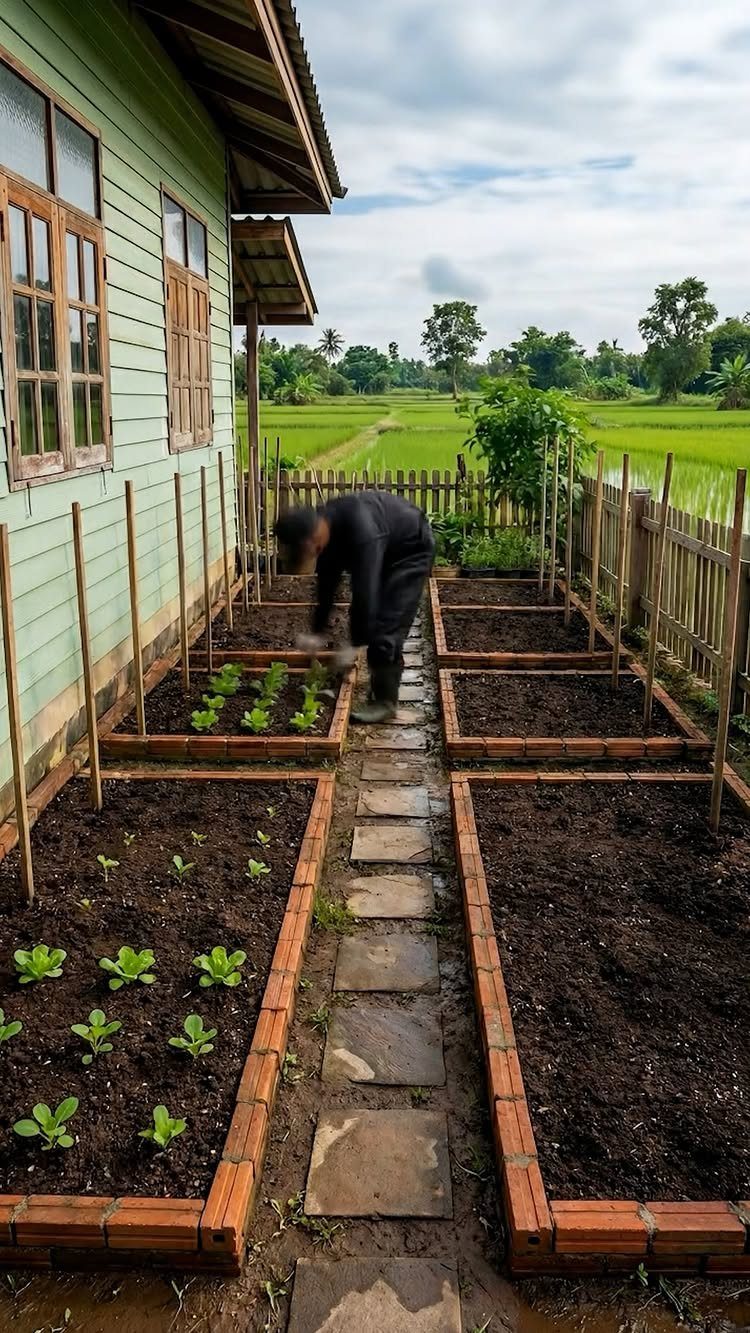
Brick-sided raised beds warm up faster in spring than ground-level soil, which buys you a few extra weeks of growing season for cold-sensitive vegetables like peppers and eggplant.
I set mine deep enough for root crops and top them off with fresh compost each year.
The upfront cost of brick or stone runs higher than wood, but it lasts decades without replacement. For renters, modular metal or cedar kits dismantle when you move.
2. Container Gardening
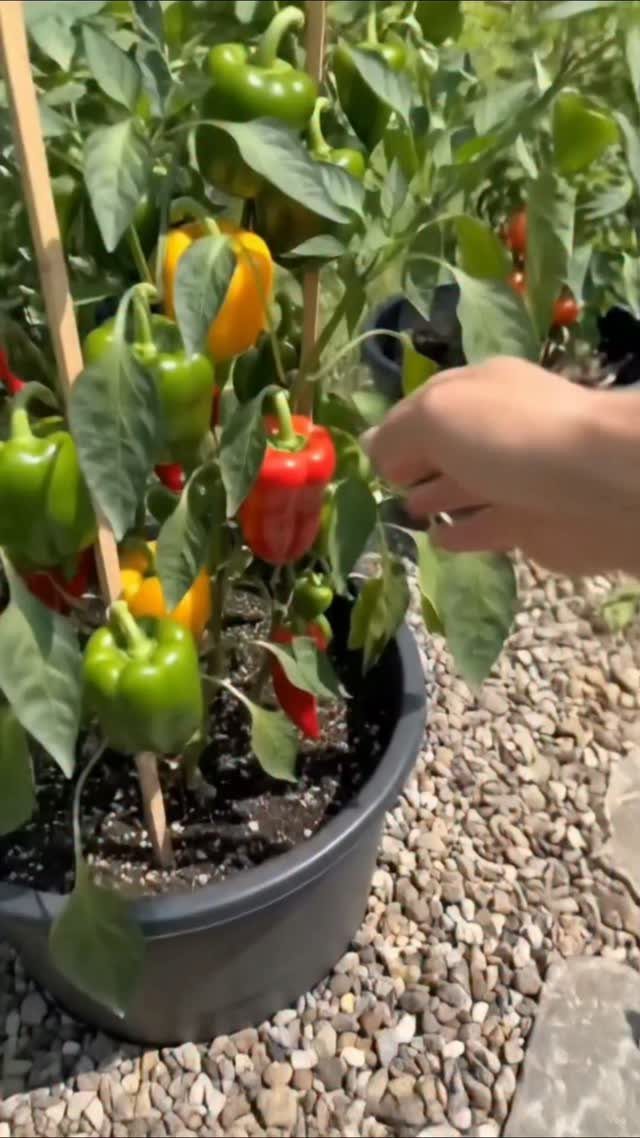
A single bell pepper in a pot on a apartment balcony yields the same fruit as one in the ground, provided the container drains well and gets full sun.
Black plastic heats the root zone, which peppers favor; in hotter zones, that same color can cook roots, so I switch to terracotta or fabric there.
Container soil dries out fast. I check mine daily in July, and I never use garden dirt, which compacts and strangles roots in a pot.
3. Herbs in Gaps Between Vegetables
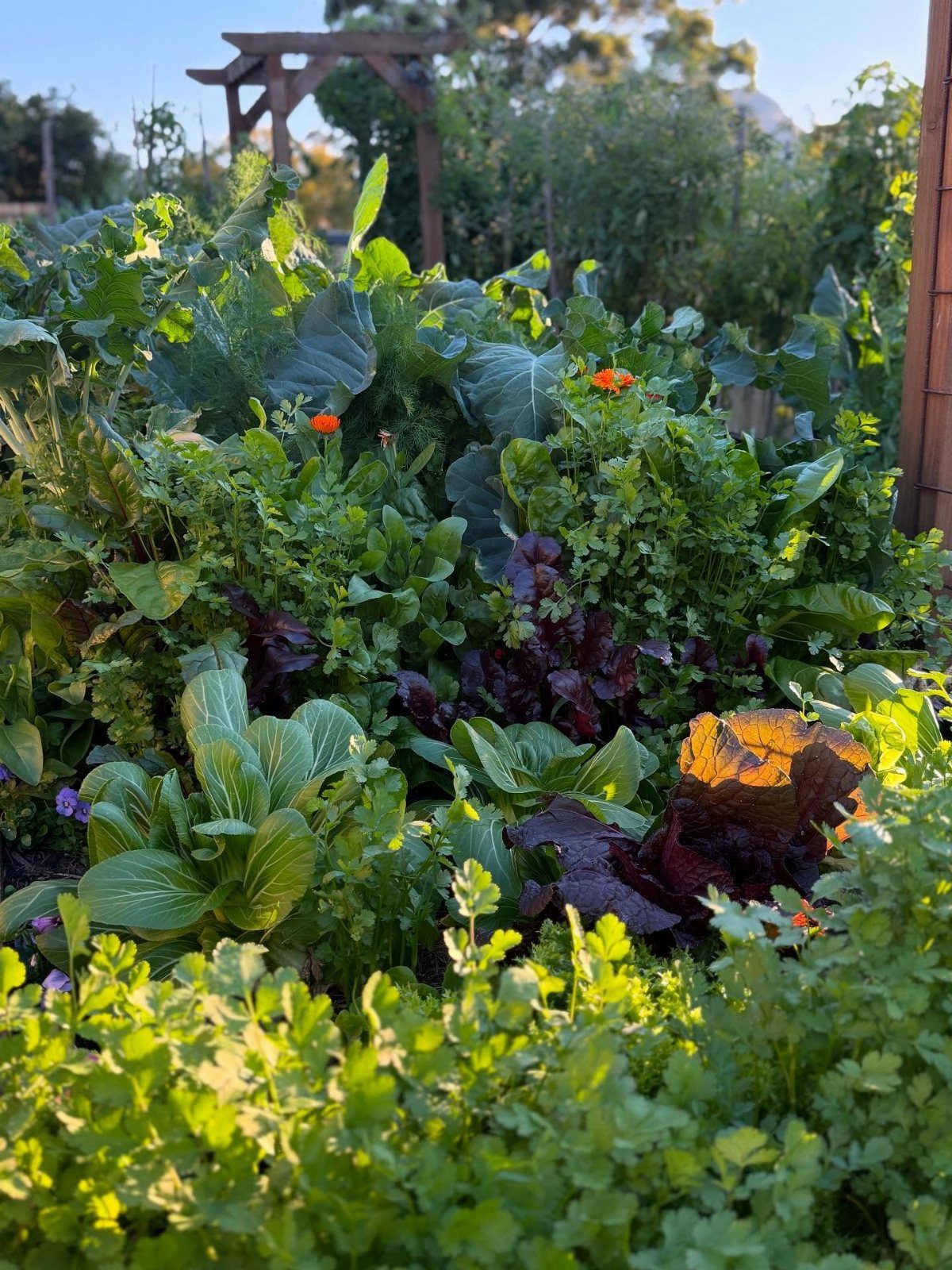
Feathery dill and frilly cilantro tucked between lettuce heads do more than fill visual gaps; their strong scents confuse pest insects hunting for brassicas by smell.
I plant them at the same spacing I would for a solid block of vegetables, so nothing sacrifices yield.
Marigolds in the same mix repel root-knot nematodes, though the science on that is mixed enough that I would not rely on them alone.
The real win is the density: more plants per square foot means fewer weeds and less bare soil baking in August sun.
4. Upside Down Tomato Plants
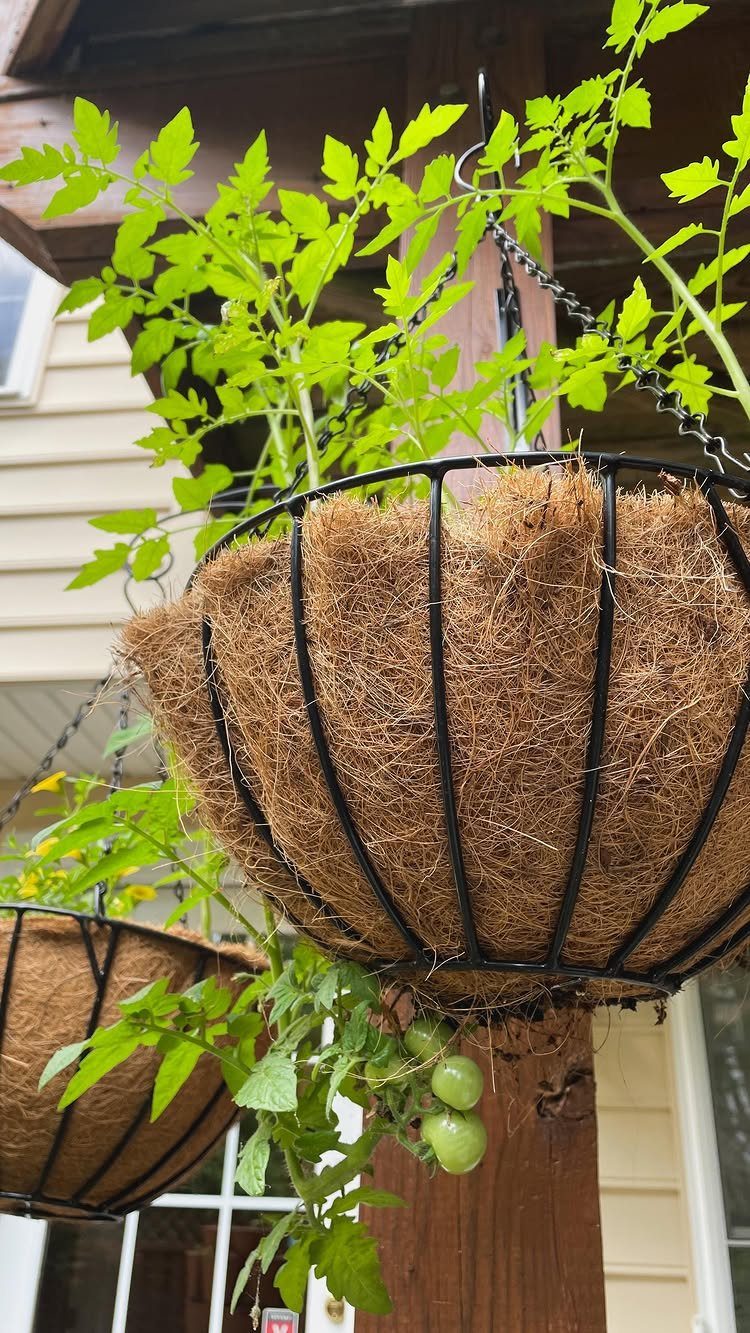
A tomato plant pushed through a hole in the bottom of a hanging basket sends its fruit outward into open air, away from soil-borne blight and most crawling pests.
Start with a small transplant; a mature root ball will not squeeze through without damage.
Watering demands attention. Gravity pulls moisture straight down through the root ball and out the bottom, so I check these twice daily in peak summer.
Determinate varieties work better than indeterminate here; the vines stay manageable, and the fruit sets all at once rather than trailing all season.
5. Vertical Hydroponic Towers
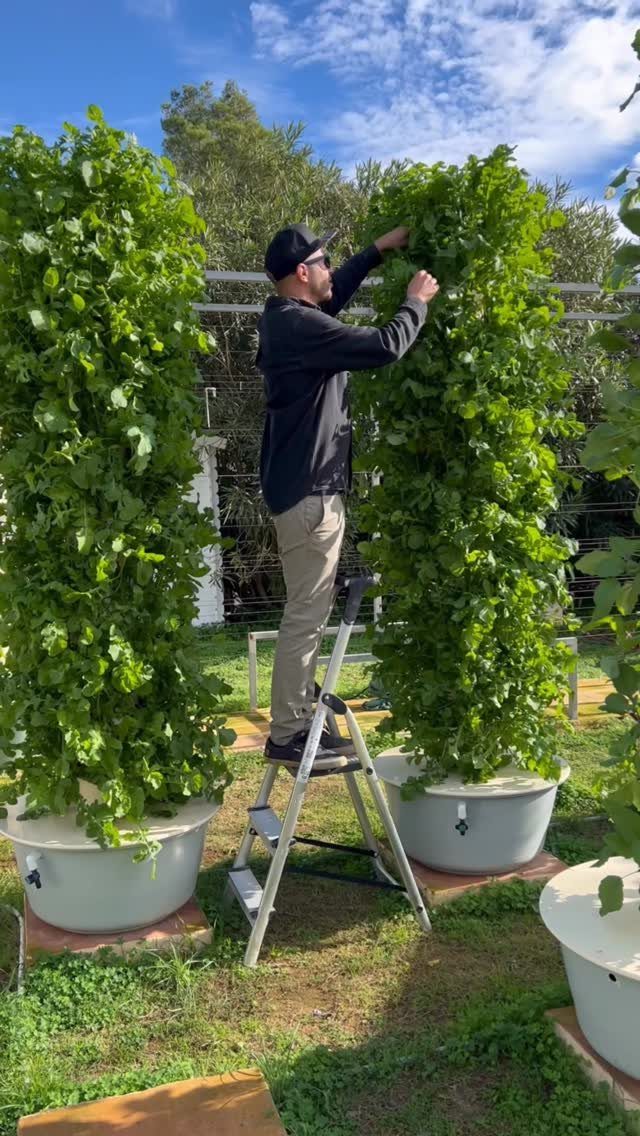
Tall white towers packed with lettuce or leafy greens let one person manage a dense crop in a narrow footprint, using a pump to circulate nutrient solution past bare roots.
Check pH often; it drifts fast outdoors and demands weekly adjustment.
This is the most productive option on the list for pure output, but it also carries the highest failure cost: a clogged pump or power outage on a hot day can kill a crop in hours.
I would not start here unless someone in the household enjoys tending machines.
6. Trellises for Climbing Vegetables
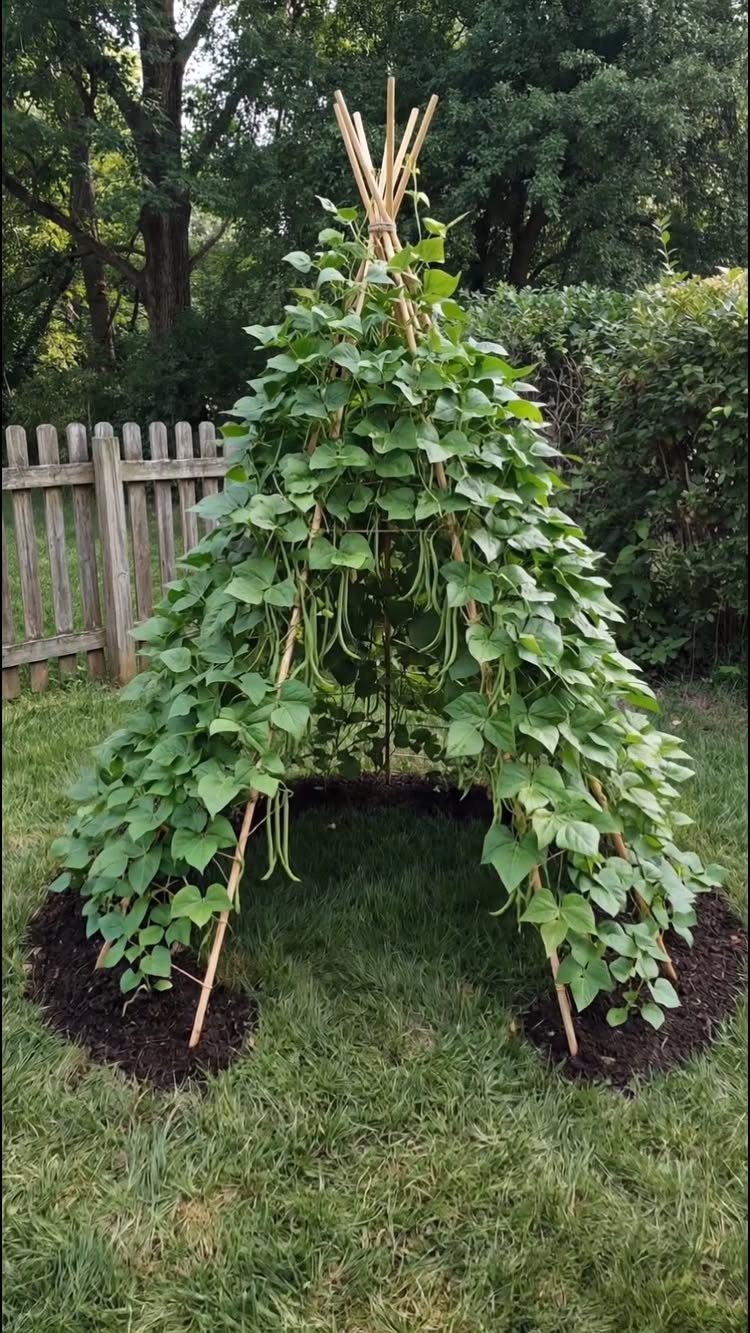
Pole beans wrapped around a wooden teepee reach high by midsummer, producing clean, straight pods that hang in easy reach for picking.
The structure costs almost nothing if you have bamboo or saplings; I lash mine with jute so it composts with the vines at season’s end.
Trellising trades ground space for vertical structure. Cucumbers and small melons climb the same way, though melons need slings made from old t-shirts once the fruit passes softball size or the weight snaps the vine.
7. Upcycled Tire Planters
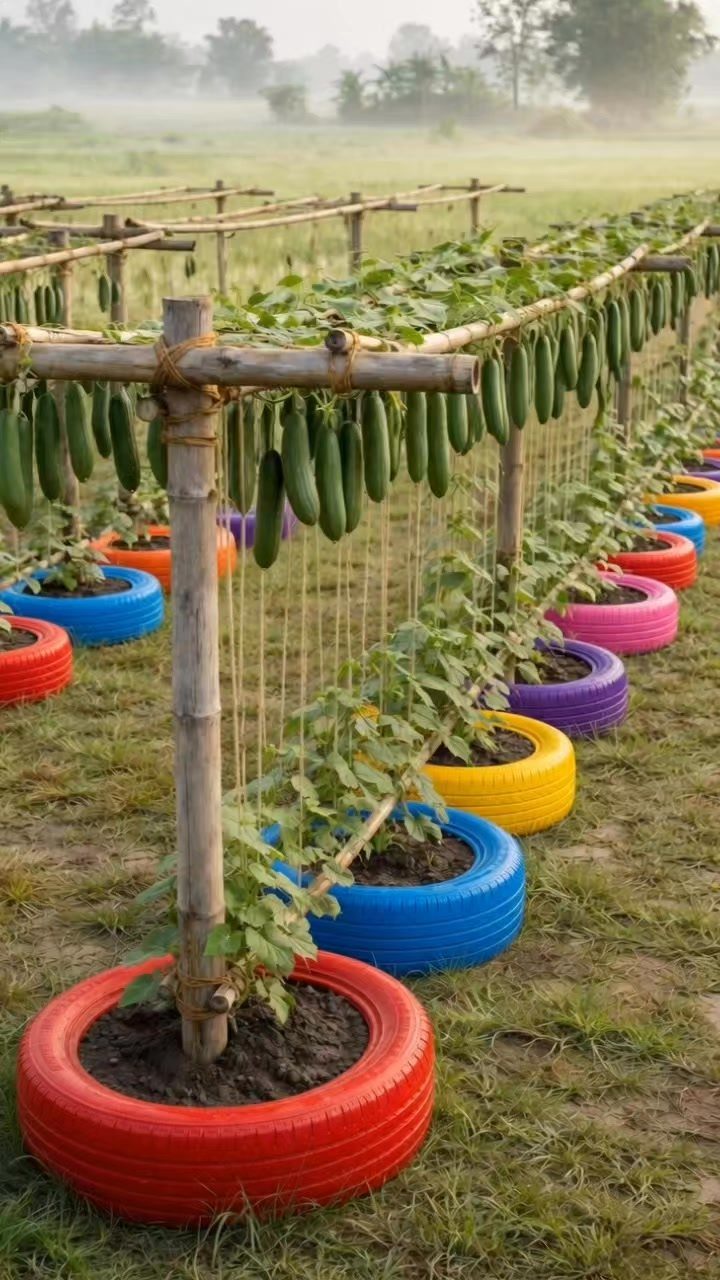
Painted tires stacked in a row warm faster than bare ground and cost nothing if you have a source. I would cut the sidewall out of the top tire to double the soil depth for cucumbers or squash.
The rubber holds heat, which roots appreciate in cool springs but suffer from in a July heat wave.
A coat of light paint on the outside helps reflect some of that back. I would not grow root crops here; the tapering wall forces carrots into odd shapes.
8. Narrow Side Yard Garden
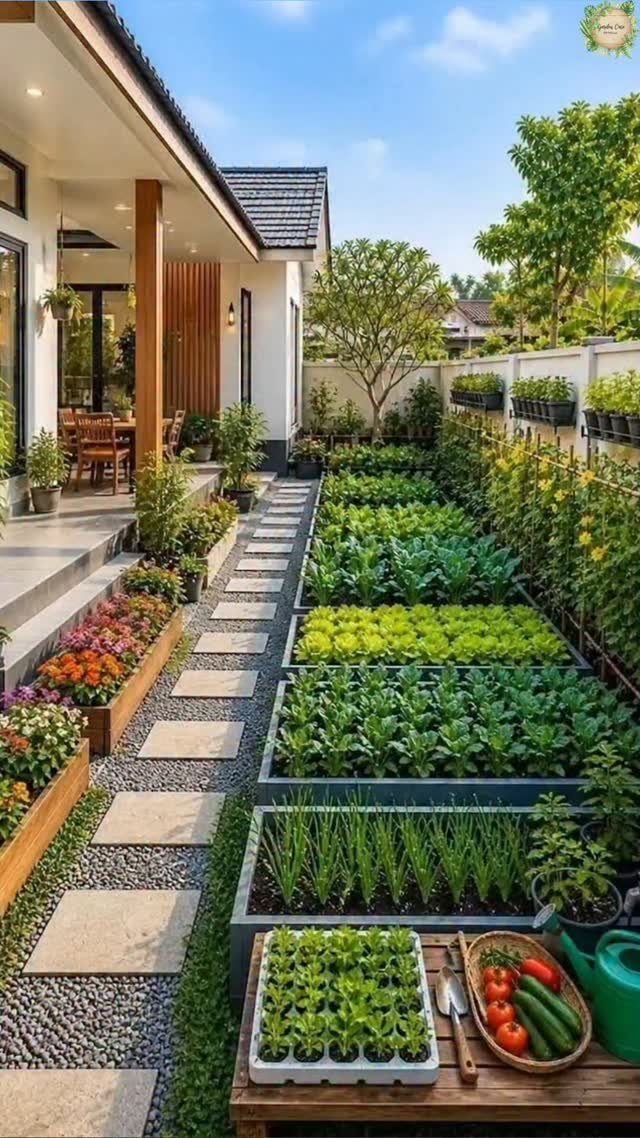
A narrow side yard still runs long enough for salad greens and bush beans in raised beds built to the width of a rake’s reach from either side.
Stone or gravel between the beds sheds mud and keeps harvest baskets off the dirt.
The fence is free vertical real estate.
Pocket planters or cattle panels wired to it multiply the growing area without narrowing the path. My preference is morning sun on this face; afternoon sun in a tight corridor cooks soil and gardener alike.
9. Incorporate Flowers in Vegetable Gardens
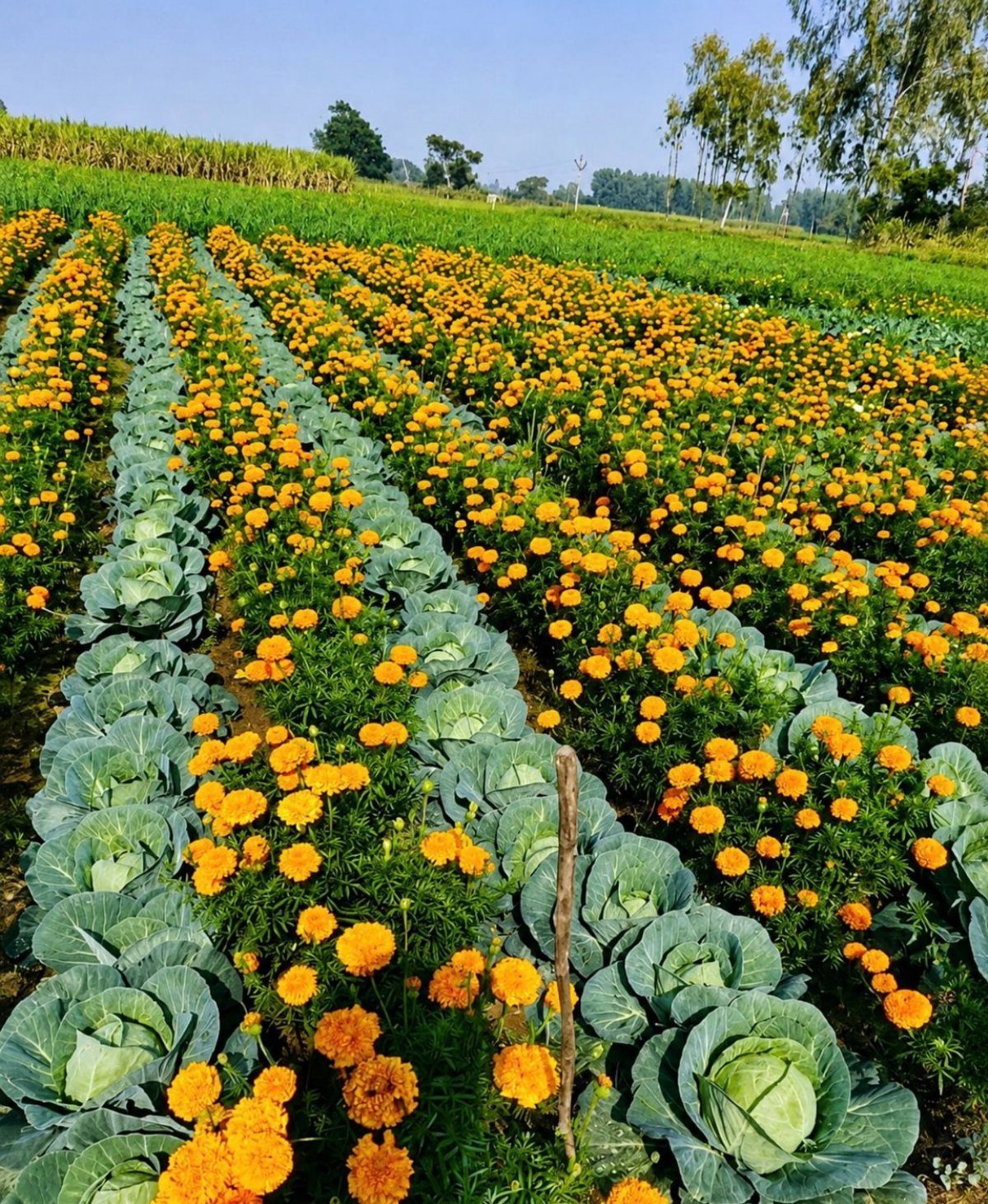
Marigolds threaded between cabbage rows draw pollinators to tomatoes and squash elsewhere in the plot, and their roots exude compounds that suppress some nematodes. I treat that second benefit as a bonus, not a promise.
Orange and yellow varieties show up well against green foliage from a distance, which matters if the garden is what you see from a kitchen window.
Deadhead weekly to keep them flowering; a plant gone to seed stops producing the scent that confuses pest insects.
10. Circular Garden Design
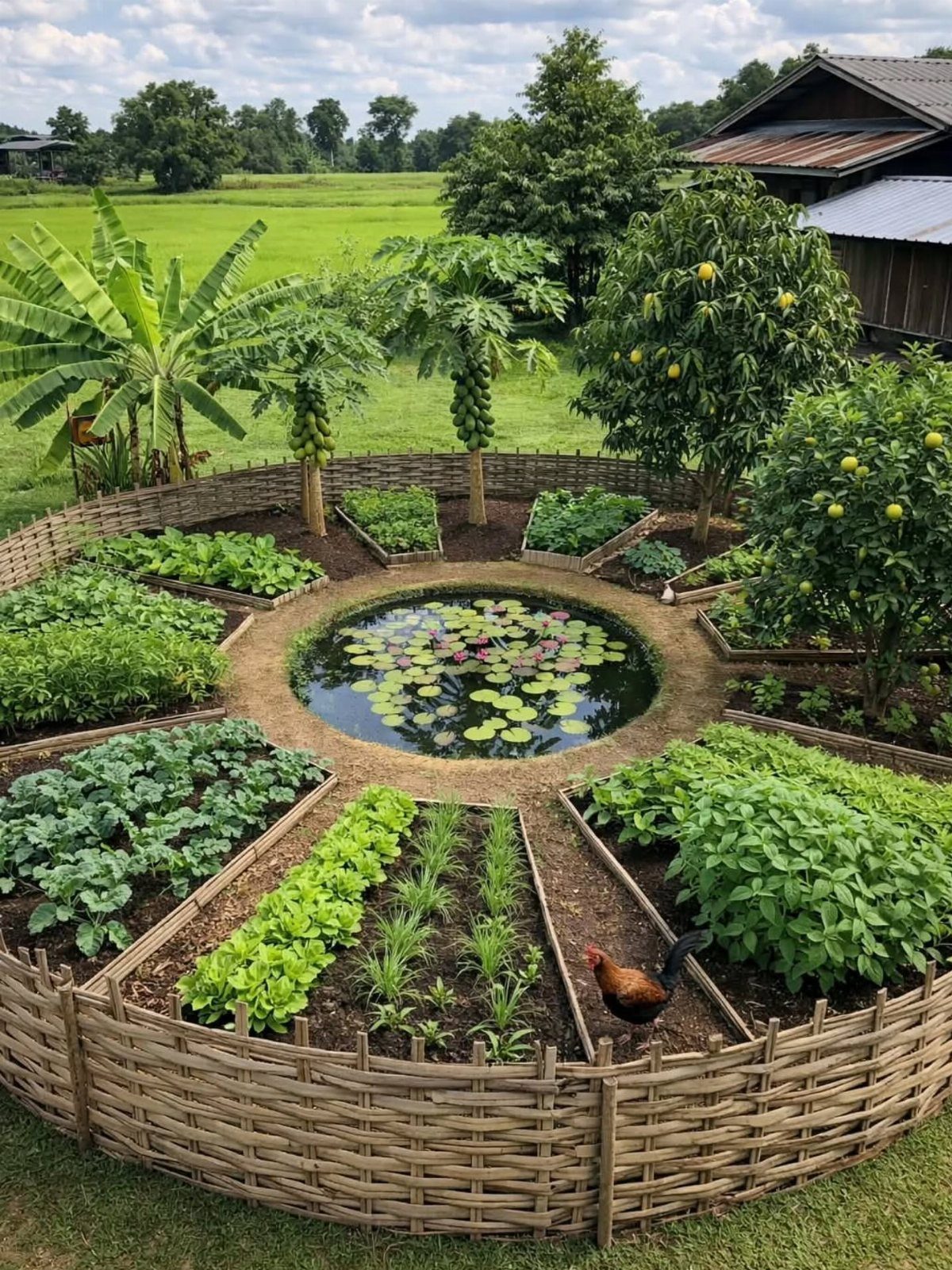
Wedge beds radiating from a center point put every row within arm’s reach of a path, which matters more as knees age. The geometry also drains water outward, a real advantage in clay soil that pools.
Building the curve demands more cuts than a straight bed. I would lay the outer ring first, then divide the interior with string lines from a central stake.
Wattle fencing around the rim is willow or hazel woven green; it tightens as it dries and lasts a few seasons before rotting at the base.
Essential Growing Conditions
6 hours of direct sun is the minimum most vegetables ask for, and more is better if you can get it.
Before you place a single bed or pot, watch how shadows from trees, fences, or your own building move across the space from March through September. A spot that looks open at noon can sit in shade by four o’clock.
Water source distance matters more with containers, which dry out faster than ground-level soil in hot weather. Daily watering is realistic only if the hose reaches or you are willing to carry it.
Soil quality is not about dirt versus potting mix labels.
Garden soil used straight in containers compacts and strangles roots; soilless mixes or compost give the aeration and drainage roots need. Gravel at the bottom of a pot does not help drainage and can worsen waterlogging.
Maximizing Growing Season
Cool-season crops like radishes, peas, lettuce, and spinach go in as soon as soil can be worked. They finish before warm-season vegetables need that same space.
The gap between harvest and replanting is where time gets lost. Sow early spring radishes between rows of slower root crops; the radishes come out just as the carrots or beets need room.
Fall planting doubles usable season in many zones. Late summer sowings of the same cool crops mature into shorter, cooler days and often taste better for it.
Companion timing is different from companion spacing.
A tomato plant with carrots or basil underneath shares ground space, but the timing still has to work for both. Shade from mature tomato foliage in July can stunt what you tucked beneath if you started it too late.
Perhaps the most reliable of space-saving ways to grow vegetables is simply opting for compact varieties.
Soil and Fertilization
Container nutrients drain away with every watering. Even good potting soil needs replenishment by midseason; compost tea is one way to replace what leaches out.
Self-watering containers hold moisture longer and change how often you fertilize. Standard pots in full sun may need water daily, which accelerates nutrient loss.
Secondhand containers work fine if they are large enough. One tomato plant wants 15 gallons; smaller pots restrict root development and yield no matter what you feed them.
Plants that prefer drier conditions, lavender for example, suit container life because the soil does get drier between waterings. That same trait makes them more forgiving of missed feedings.
Mint family herbs will spread to fill whatever container you give them. Bigger containers do give bigger yields, though you will need to feed them more often through the season.
Frequently Asked Questions
What is the 70/30 rule in gardening?
The 70/30 rule means planting 70% of your space with crops you know and eat regularly, and 30% with something new or experimental.
This keeps your garden productive while leaving room to learn. A 70/30 split means most of your space goes to crops you know will produce, while the rest is free for experiments that might fail.
That mix shows up here in suggestions like tucking herbs between vegetables you already planned to grow.
What is companion planting?
Companion planting is growing different plants close enough to help each other through pest confusion, pollination, or shared space use.
Dill and cilantro between lettuce heads can throw off insects hunting brassicas by smell, and marigolds near cabbage release root compounds that suppress pests while drawing in pollinators.
What do you plant in August and September?
Late summer is the time to sow cool-season crops like lettuce, spinach, and radishes for a fall harvest.
The gap between pulling out spent summer plants and getting new seeds in is where most August gardens stall. Plan that handoff so your ground keeps working.





