
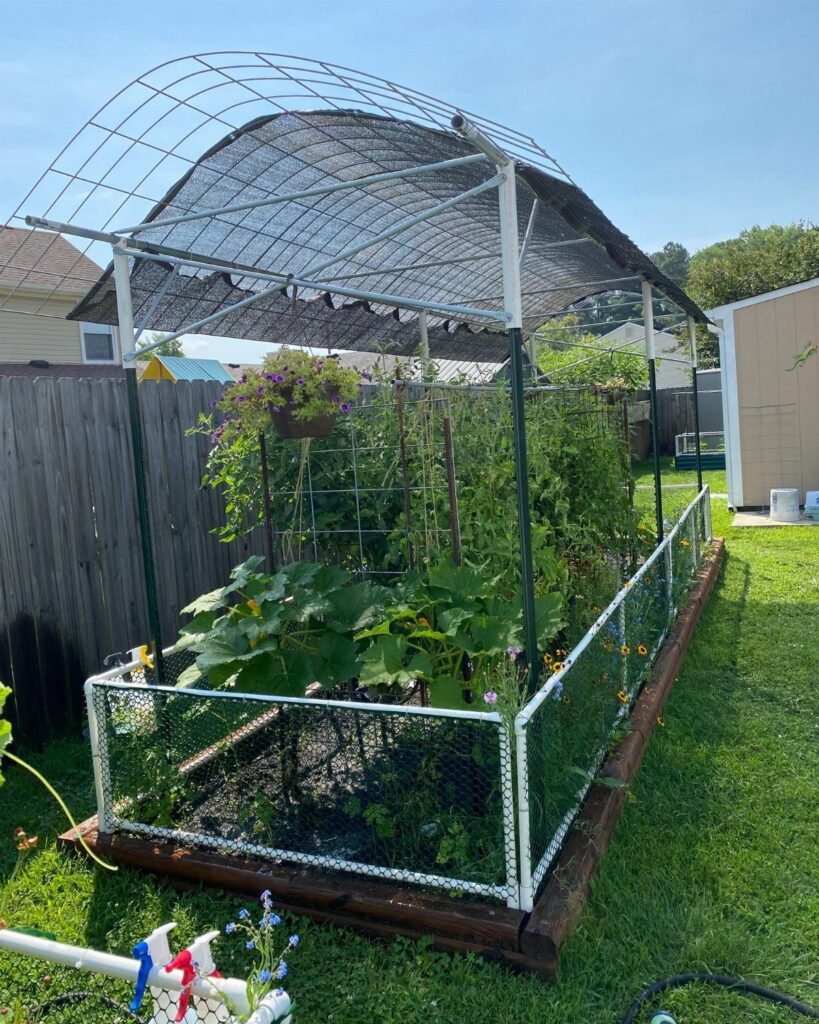
These 7 garden bed fences run from free pallets to full cedar enclosures with overhead framing, and the right one comes down to whether you need to keep animals out or just define the space.
A hex wire mesh fence on green metal posts stops rabbits for pocket change, while a hinged cover of 1×4 cedar lets you tend tomatoes one-handed.
If your beds sit close enough to the house that you work them in light rain, both the hinged cover build with mesh and slats and the cedar enclosure’s roof buy you that extra hour, and the choice between them comes down to whether you need full enclosure or just overhead cover.
1. DIY Garden Fence
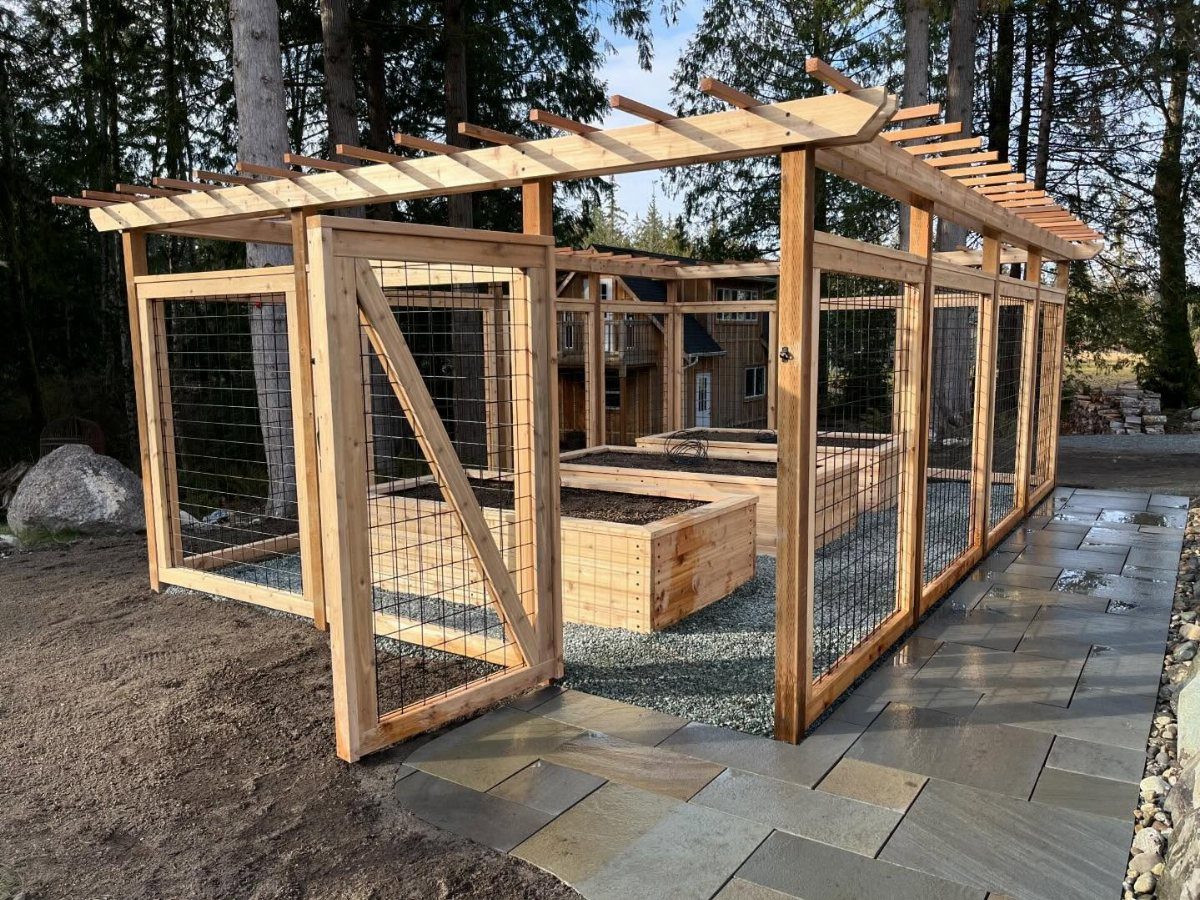
A full cedar enclosure with a gate and overhead structure turns a garden bed into something you actually want to walk into.
I like this route when the beds sit close to the house and you use them daily; the roof buys you working time on light-rain mornings and the gate keeps out rabbits without making you feel fenced in.
Cedar posts set deep in the ground, 4×4 mesh on the sides, and a simple framed roof of 1×6 slats spaced for sun.
Cost runs toward the high end of weekend-project territory, but the pieces come home in one truck load and the build is straightforward carpentry.
2. Wire Mesh Fencing
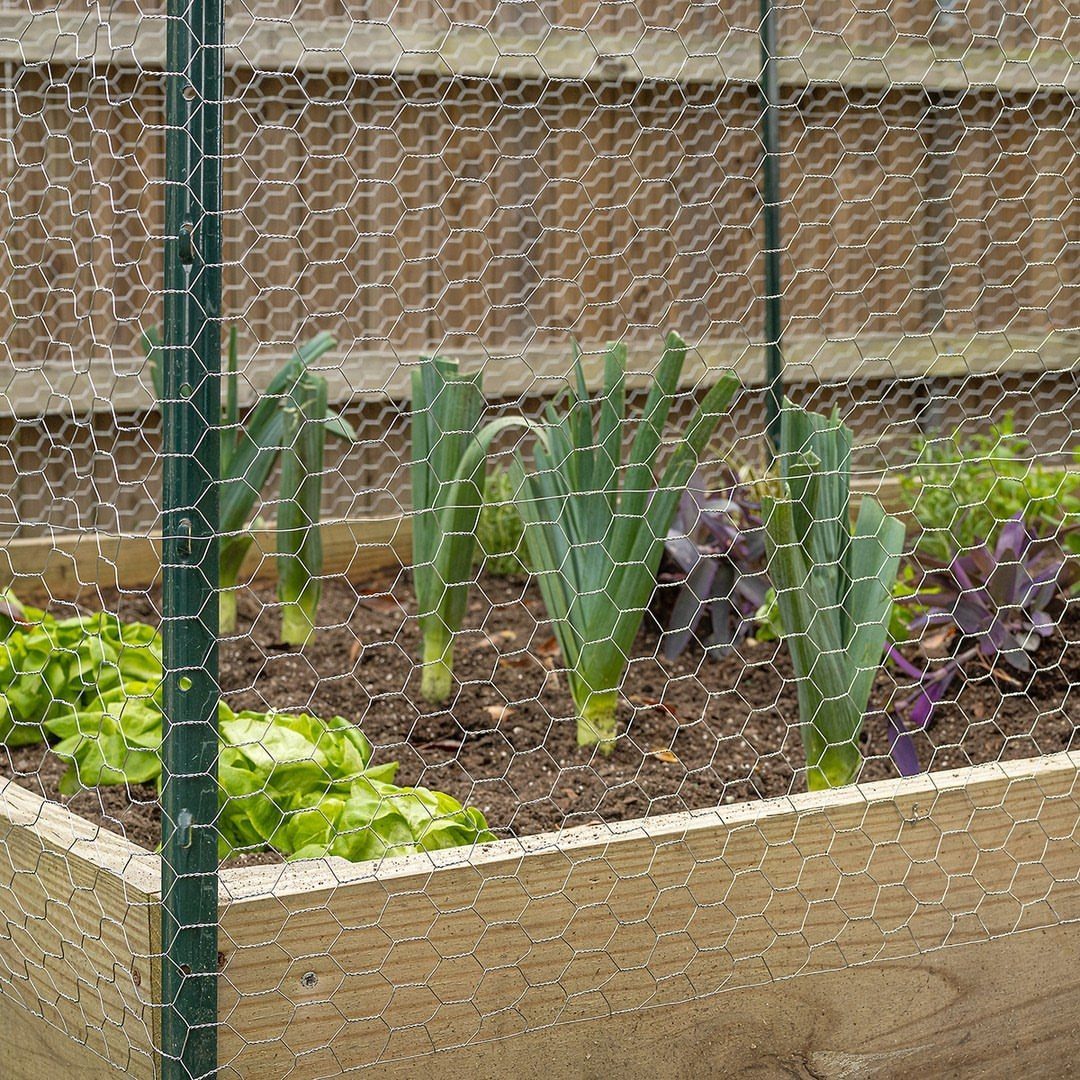
Hexagonal wire mesh on green metal posts is the fence I put up when the priority is keeping critters out and cash in the wallet.
The mesh shape matters: hex wire flexes without sagging and the small openings stop rabbits while letting pollinators through.
Green metal T-posts or U-channel posts drive in fast with a post-pounder; I set mine at intervals and staple the mesh along the wood bed frame.
No gate needed if you step over a low fence, though I raise mine higher when the bed grows tomatoes worth stealing.
3. Hinged Covers for Raised Beds
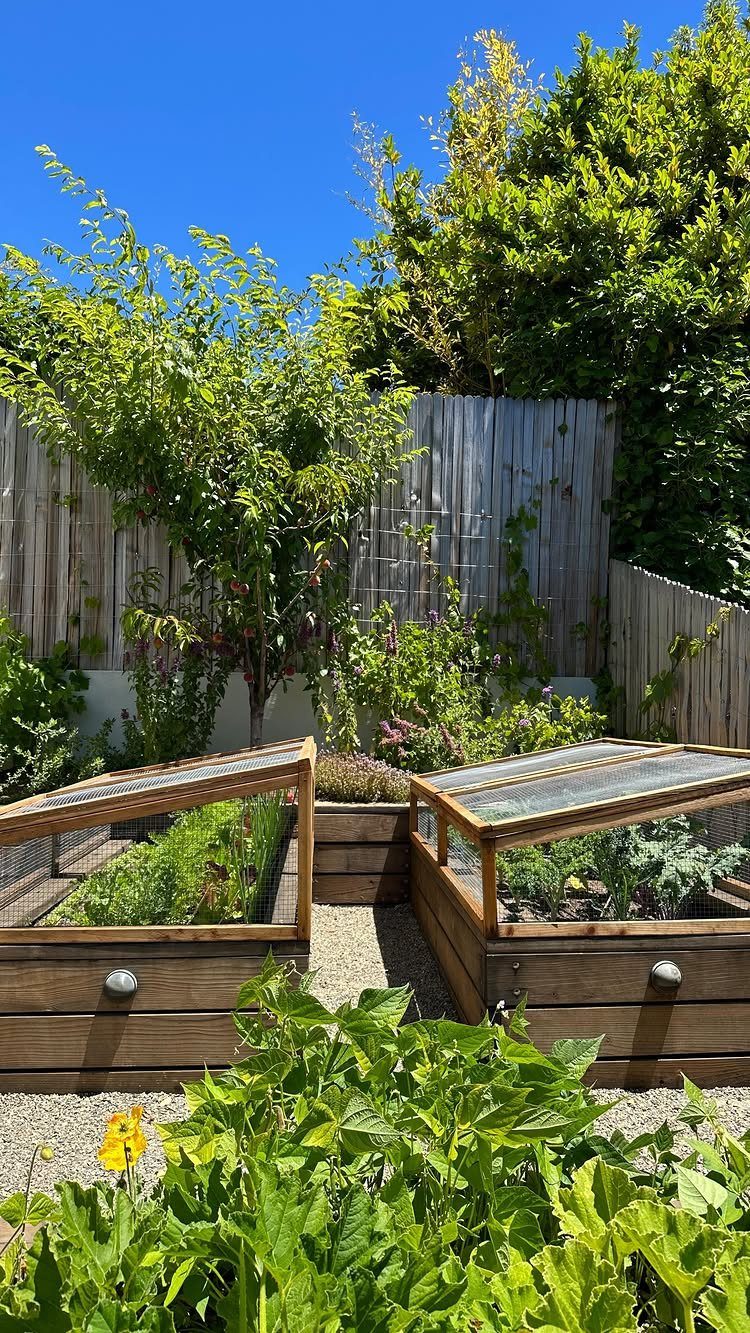
Hinged covers on raised beds solve the morning problem: you want to check for slugs, but unrolling row cover is a two-hand job that ends with muddy knees.
A wood frame with wire mesh, hinged along the back rail and propped with a simple stick, lets you lift and tend one-handed.
Build the frame 1 inch larger than the bed on all sides so it rests without shifting; use exterior hinges and a scrap of dowel or a forked branch for the prop.
I leave mine propped open through the morning dew and drop it before the rabbits clock in for evening shift.
4. Integrated Animal Barrier Gardens
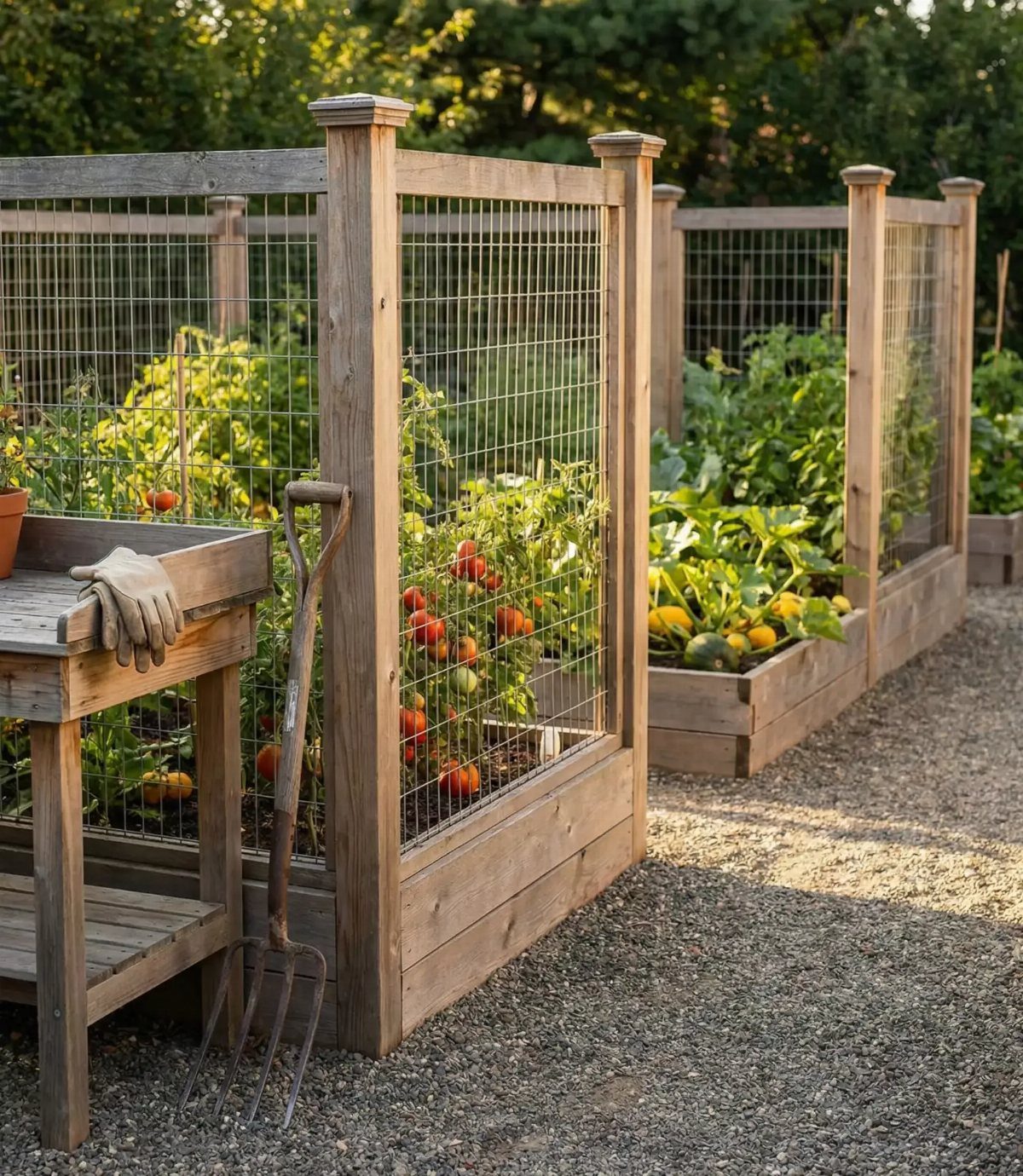
Tomatoes and squash need staking, pruning, and harvest access that a perimeter fence complicates, so I prefer the integrated route where the barrier builds straight off the bed box.
Tall mesh panels rise from the bed rails themselves, turning the whole structure into one piece that does not shift when a groundhog tests it.
Gravel under the whole setup keeps mud off your boots and weeds from creeping in from the edges.
5. Pallet Fence Enclosure
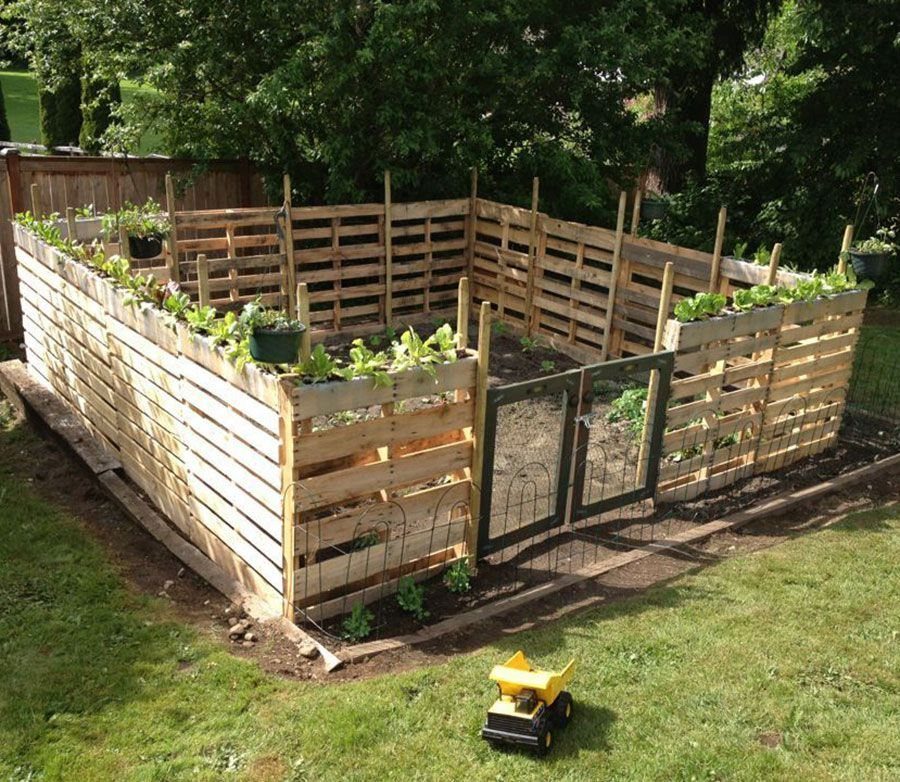
Pallets stood on end give you a waist-high fence for the cost of driving around behind big-box stores. I look for heat-treated pallets marked HT; the chemically treated ones are not worth the risk near food soil.
Stand them post-style with the stringers vertical, screw the corners together through the blocks, and cut a gap for a scrap-wood door framed with the same mesh you would buy for any small gate.
The look is rough, but in a back corner bed where function matters more than curb appeal, 3 pallets and a Saturday afternoon gets you growing.
6. Small Wooden Picket Fence Border
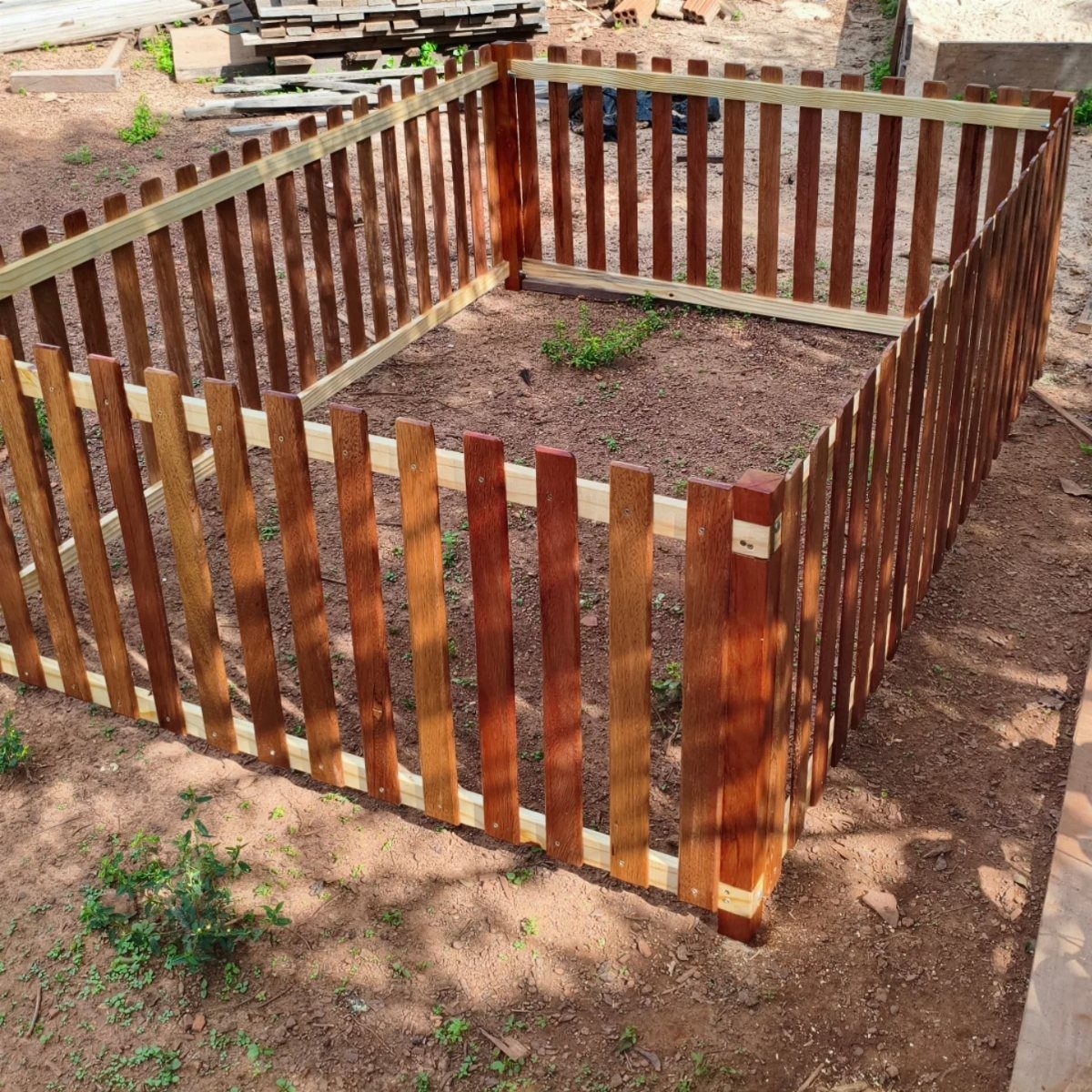
A low picket border does not stop deer, and I would not pretend it does, but for a front-yard herb bed or a formal vegetable plot where the goal is defining space and keeping out the neighbor’s terrier, 12 inches of painted white picket changes the whole mood.
I rip 1×3 pine or buy fence pickets by the bundle, cut points with a miter saw, and nail them to a 2×3 rail set an inch below grade so the bottom edge stays clean.
Set posts at close intervals and the assembly goes fast; paint it the same white as your trim and the bed reads as garden architecture, not afterthought.
7. Low Horizontal Slat Fence
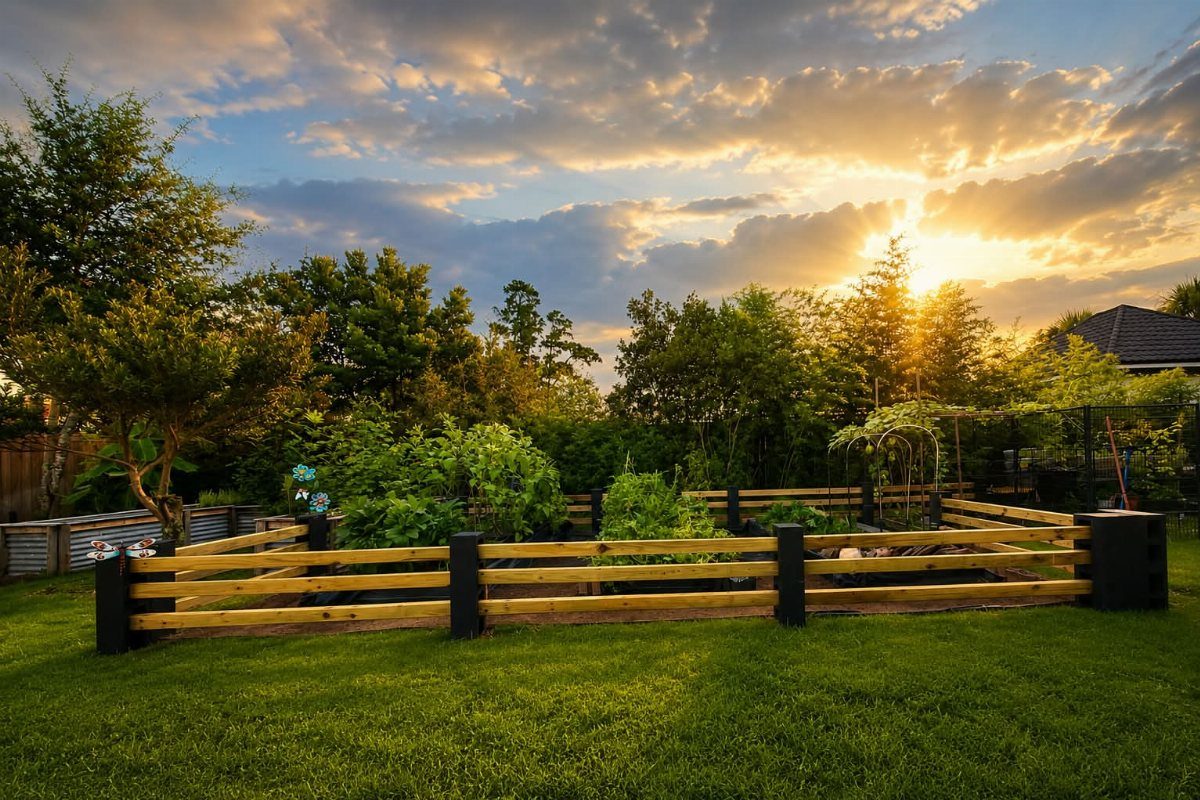
Horizontal slats read more modern than vertical pickets, and kept low they stop rabbits without blocking your view of the bed from the lawn.
I build the frame from 4×4 posts set in concrete and face them with 1×4 cedar or pine, spaced a half-inch apart for airflow.
Black metal posts or painted wood posts both work; the contrast against green growth is what sells the look.
Cost sits moderate, mostly in lumber and a few bags of concrete. The horizontal rail needs a middle support on longer runs or it bows by season two.
I would not use this where deer are the problem, but for curb-facing beds and clean lines, this is the fence that looks like landscape design, not perimeter defense.
Choosing Materials for Garden Fences
Cedar holds up longer than pine in ground contact, which matters when your posts stay damp for weeks in spring.
I have replaced softwood posts after 3 seasons and learned to spend the extra on heartwood cedar or to set any wood in concrete above the frost line.
Pressure-treated lumber rated for ground contact is structurally sound, but I skip it for beds where I grow root vegetables.
The treatment chemicals stay in the outer fibers and do not migrate far, but the choice costs nothing extra and the peace of mind is worth it to me.
Composite boards solve the rot problem entirely and come in stock sizes that match raised bed kits.
They are more expensive up front, roughly double the cost of cedar in my area, and they do not take paint or stain the same way wood does.
For a bed you will look at from the kitchen window, the color is what you get.
Metal garden bed fence stakes are a durable, flexible option: they do not rot, they drive in by hand, and they pull back out if you change the bed layout next year.
The green paint is not decorative; it is factory coating that buys you a few extra years before rust spots show.
I lay 2 to 3 inches, enough to drain water but not so deep that it shifts underfoot.
Frequently Asked Questions
What kind of fence can I use to protect my plants from dogs?
A waist-high pallet fence or sturdy wire mesh on metal posts works for most dogs. Hexagonal wire mesh stapled to a wood bed frame stops dogs from pushing through, and green metal T-posts set deep enough resist leaning.
For small terriers, a low picket or horizontal slat fence at 12 inches defines the boundary and keeps them from cutting across the bed.
What are the downsides of composite fencing?
Composite boards cost roughly double cedar in my area and the color you buy is the color you keep; they do not take paint or stain like wood.
For a bed visible from the kitchen window, that matters if the stock shade clashes with your house trim. They solve rot entirely, so what you weigh is upfront cost against long-term maintenance.
What is the cheapest way to fence a yard?
Pallets stood on end cost nothing but a Saturday and a drive behind big-box stores. Add a scrap-wood door framed with wire mesh and you have a waist-high enclosure for the price of hardware you probably already own.
How do I build a garden fence?
Start with the bed itself: set posts in concrete or drive metal stakes, then attach your chosen barrier.
For wire mesh, green metal T-posts or U-channel posts take a post-pounder, then staple mesh to a wood bed frame at intervals close enough to prevent sagging.





