
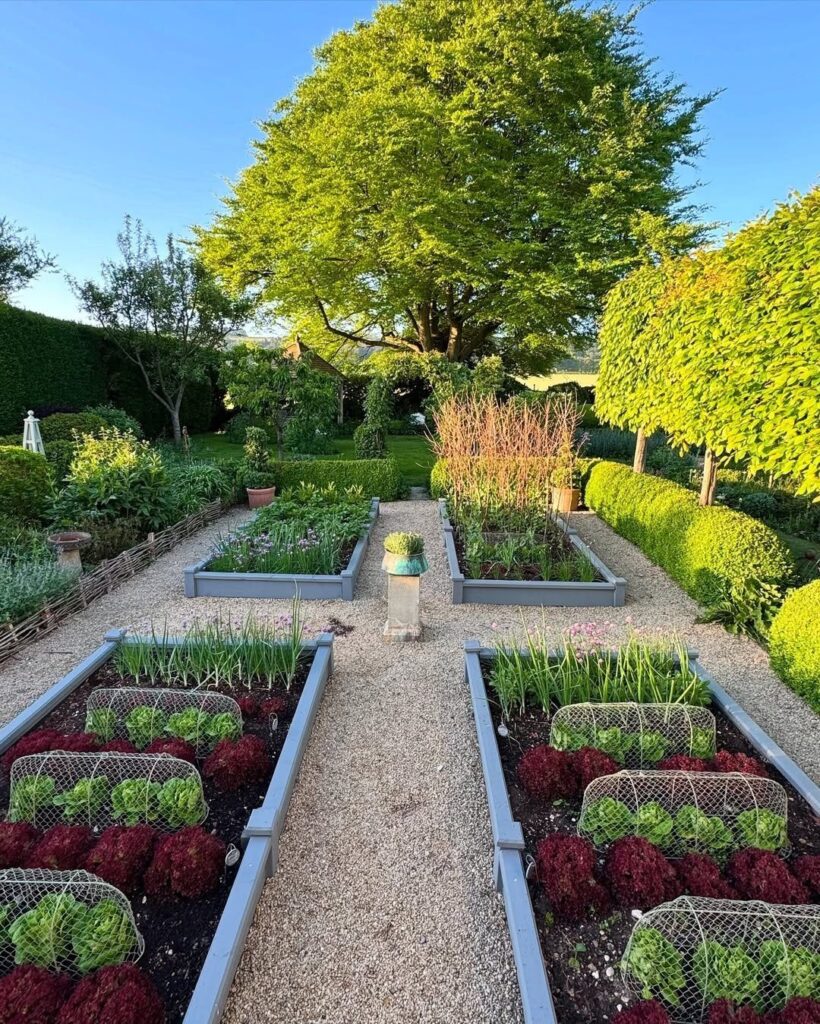
These ideas run from free soda bottles to $200 raised bed kits and from a morning of tying rope to a full weekend stacking stone dry.
What decides which one is yours is whether you own the ground beneath it or need something that leaves no trace when you move.
A wall-mounted planter on a shared fence needs a lease check first; I would not skip that step.
1. Raised Beds
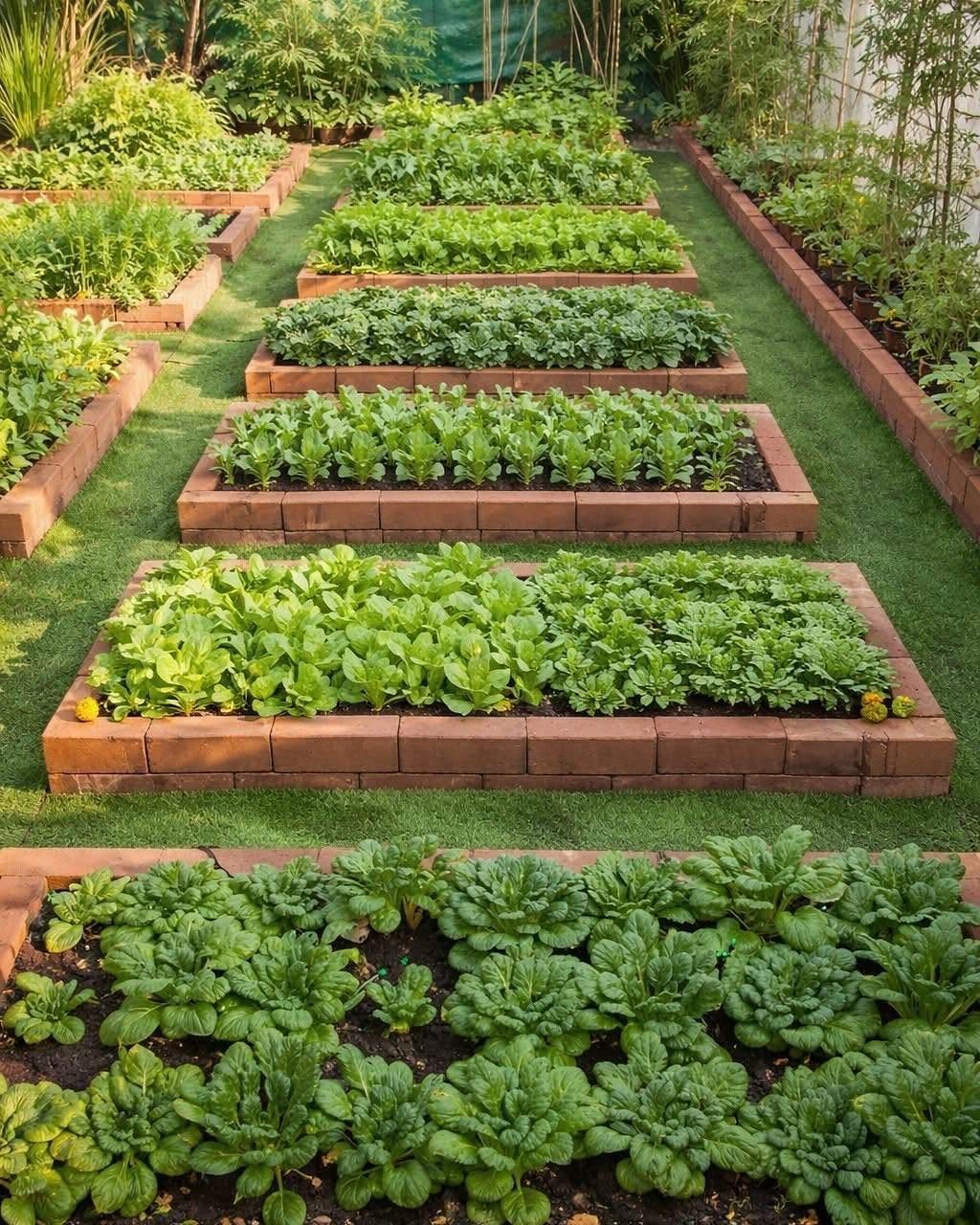
Brick raised beds warm up faster in spring than bare ground, which matters for early lettuce or spinach. The walls hold soil in place and the height saves my knees after an hour of weeding.
A tall raised bed lets me sit on the edge while I work, which saves my back on long planting days. Any wider than 4 feet and I cannot reach the middle without leaning in.
2. Trellises for Climbing Plants
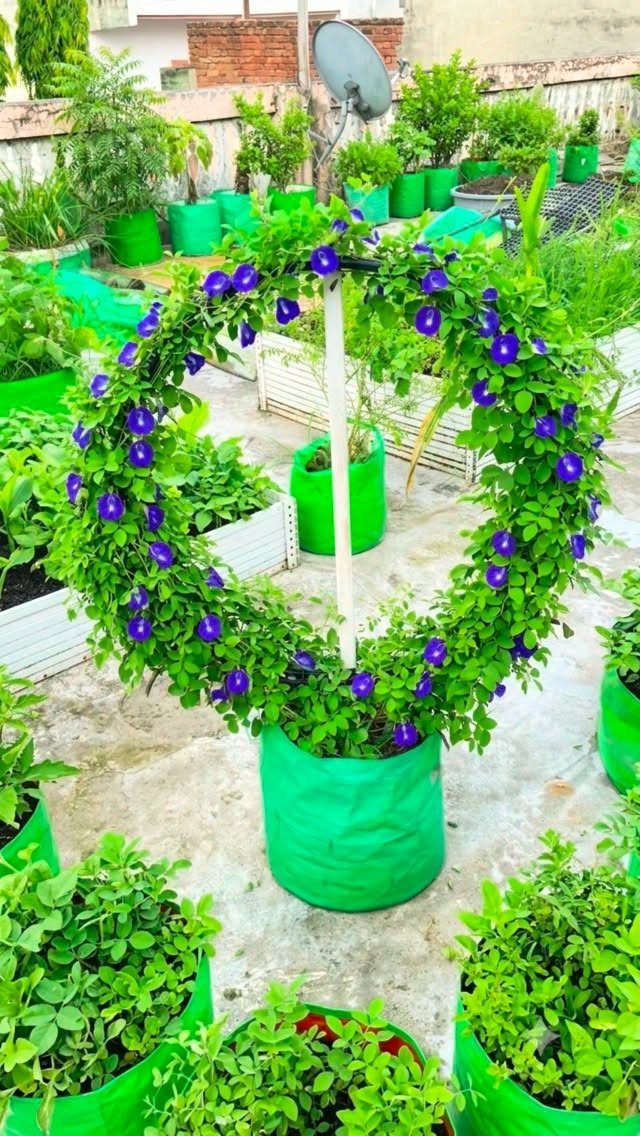
A circular trellis in a pot turns a balcony corner into productive space that would otherwise go bare.
Butterfly pea or morning glory wraps fast once it finds the first rung, and the pot keeps roots contained if you are on rental property.
I set the trellis while the plant is still small; trying to thread a vine through later just breaks stems. A green fabric pot breathes better than glazed ceramic, so roots do not cook in July.
3. Growing Vegetables in Small Spaces
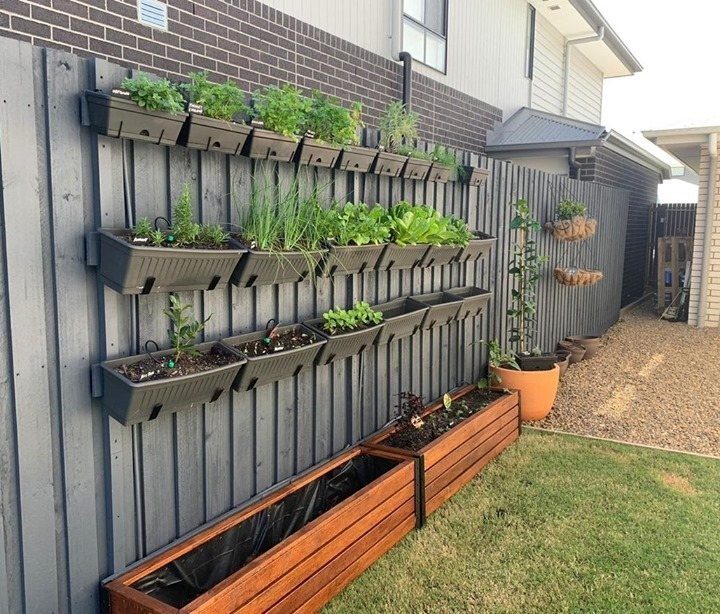
Tiered boxes on a fence face south if you have the choice; north-facing greens grow thin and leggy. The troughs below catch runoff and give root vegetables the depth they need.
I have mounted planters on a shared fence, and I learned to check my lease first. Some landlords object to holes; French cleats or fence hangers keep hardware removable.
Vegetable gardens can also be beautiful—arrange your plants in patterns or rows that are pleasing, use decorative containers, or mix vegetables and flowers. This not only creates a visually attractive garden, but it encourages pollinators to visit, thus producing a higher yield of vegetables.
4. Keyhole Garden
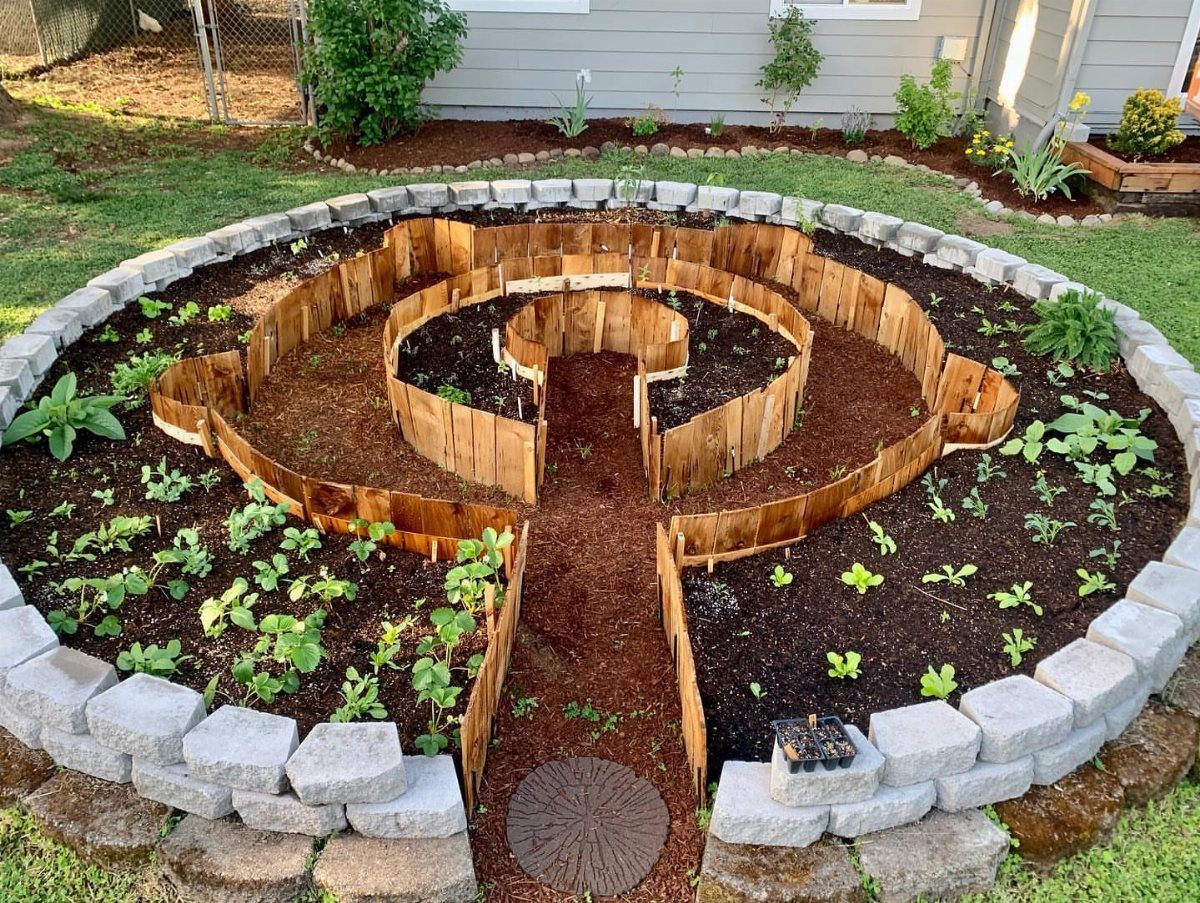
The notch in a keyhole garden is not decorative. It lets you reach the center compost basket without stepping on soil, which matters because compacted ground grows poor roots.
Stone holds heat and wood rots, so I would choose the stone border if I planned to stay put. The central basket feeds the bed as it breaks down; I fill mine with kitchen scraps and dried leaves in layers.
5. Traditional In-Ground Rows
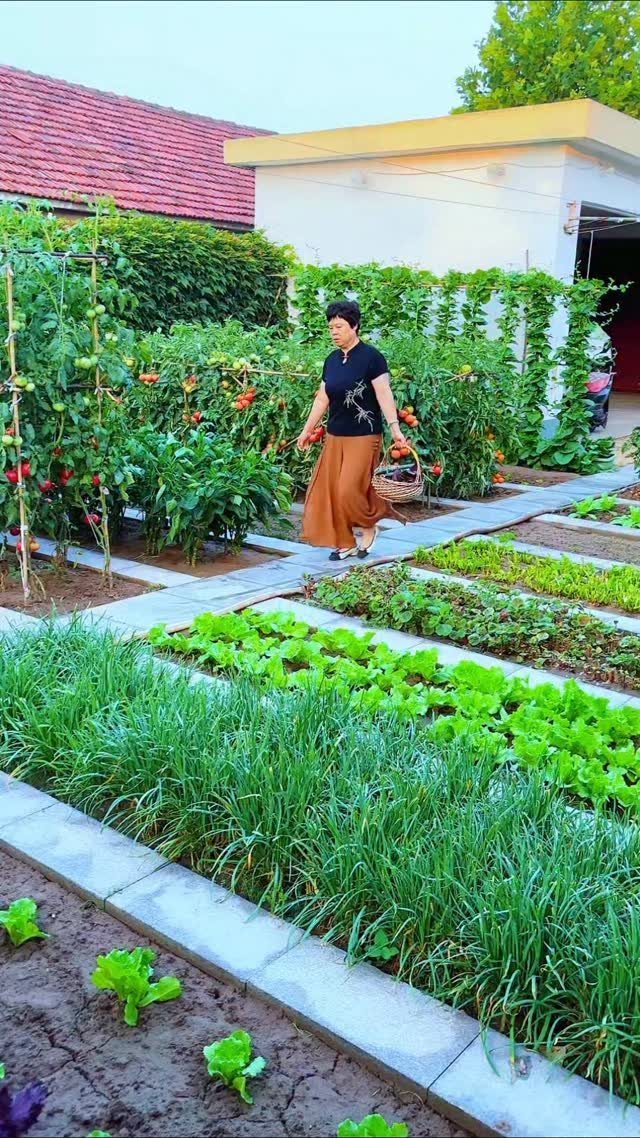
Rows in open ground suit crops I plant in quantity: beans, beets, tomatoes for sauce. The path between lets me haul a basket without crushing plants, and the sun reaches every leaf.
I stake tomatoes at planting, not midseason. A cedar stake driven deep enough will not topple when the plant fills out in late summer.
6. Circular Log Garden Bed
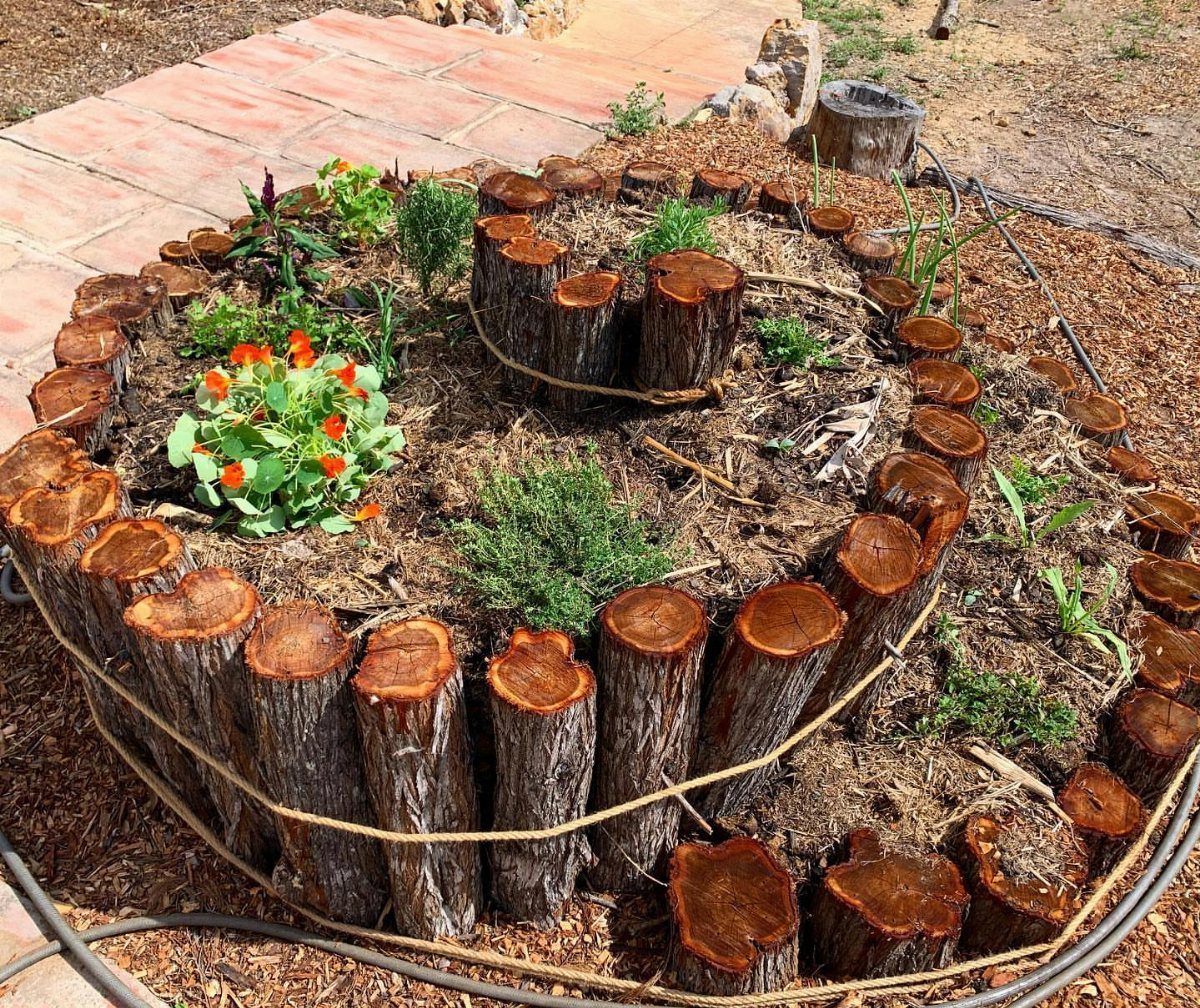
Upright log rounds give a spiral bed structure without hardware. The rope ties let me adjust as logs settle; I check them each spring and snug any that have loosened.
A spiral creates microclimates.
The top dries fastest and suits rosemary, while the bottom retains moisture for parsley. I pack these beds with topsoil and compost in alternating layers, not mixed, so drainage varies by height.
7. Stone Herb Spiral
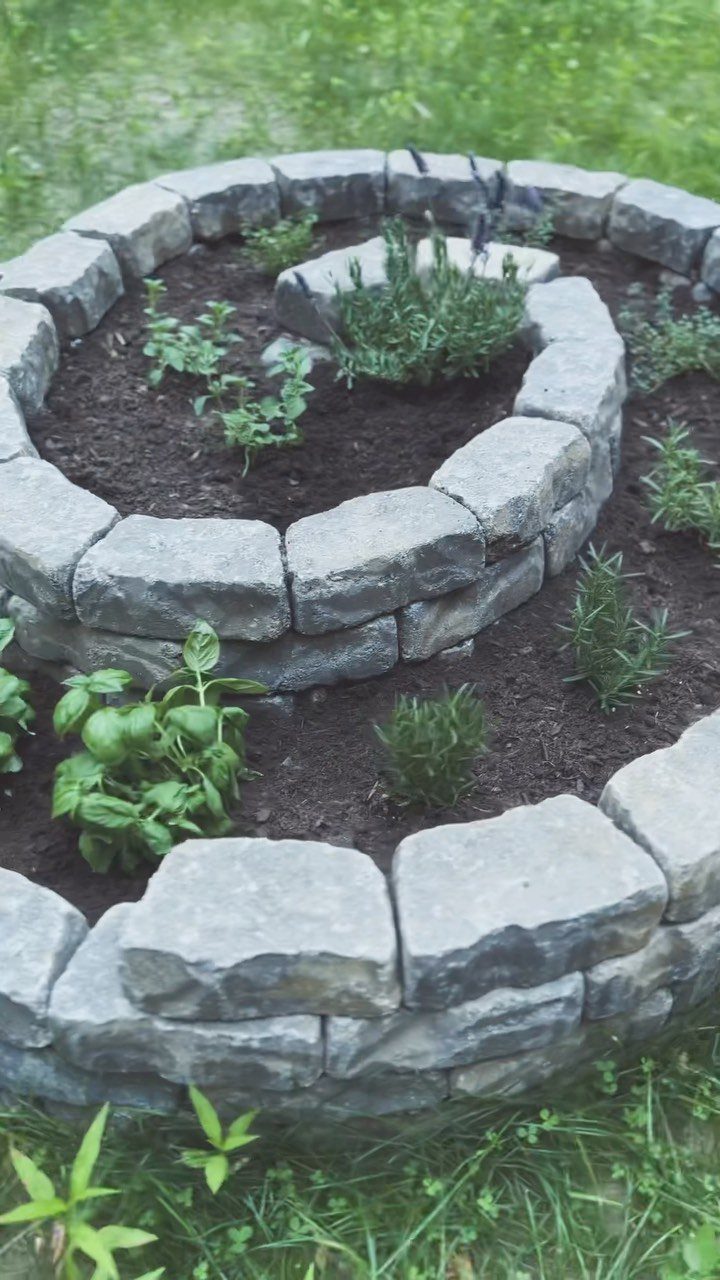
Stacked stone blocks form a spiral that rises toward the center, giving herbs the drainage and sun they prefer without building a flat bed.
Dry-stacked grey blocks form the spiral; no mortar means you can shift a stone if the curve settles wrong after frost.
Dry-laid stone warms fast and lets water through, which rosemary at the top needs.
Parsley and chives lower down catch what drains past. I would cap the center with thyme; it spreads flat and handles the driest spot.
A spiral this size needs roughly 2 cubic yards of soil and compost mixed in layers, not dumped all at once, or pockets stay dry and seedlings stall.
8. Vertical Hydroponic Growing Towers
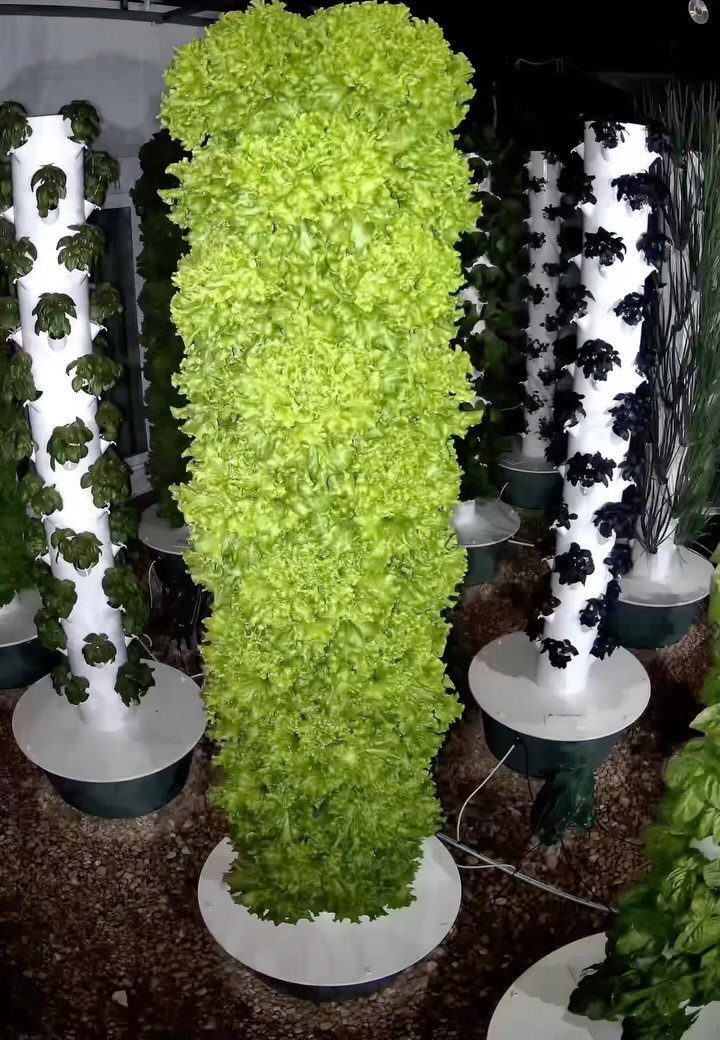
White vertical towers packed with lettuce and basil turn floor space into growing wall; units on gravel catch drips and drain fast.
Hydroponic towers run nutrient water on a timer instead of soil, so there is no weeding and no kneeling.
The upfront cost runs higher than raised beds, and the pump needs power. I would place these in a greenhouse or a sunroom; a single power outage on a hot day wilts roots fast without the backup of soil moisture.
Start with lettuce and herbs; tomatoes need more root space and heavier support than most tower columns give.
9. Wall-Mounted Wire Grid Planter
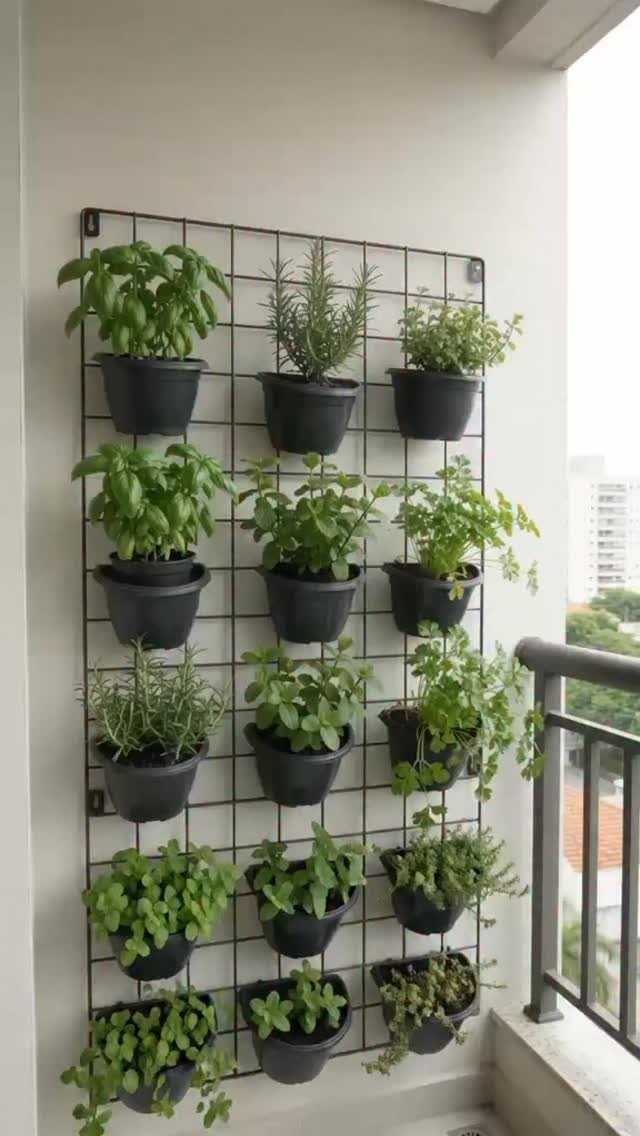
A black wire grid bolted to a wall holds small pots off the ground, which matters on a balcony where floor space is already tight. Standard nursery pots slip through most grid squares without extra brackets.
I would face this south or east; a north wall gives me pale basil that tastes like grass. The pots dry out faster than ground soil, so I check them daily in July and keep a watering can nearby.
Plastic pots weigh less than terracotta on a grid, and black hides water stains better than pale clay.
10. Upcycled Hanging Bottle Planters
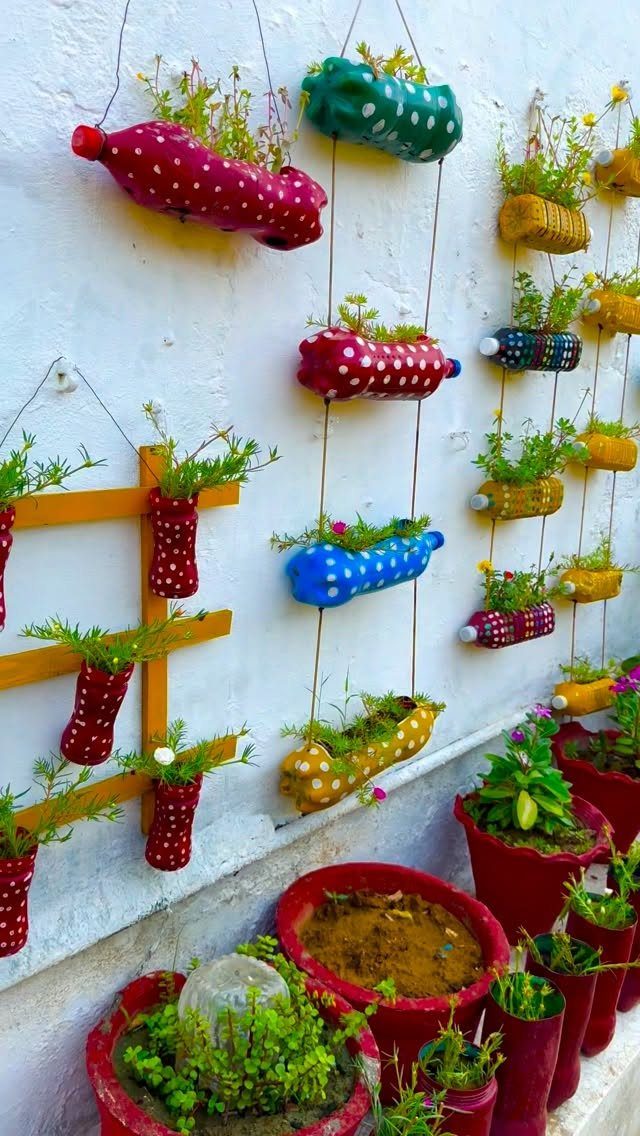
Soda bottles cut and painted hang against a wall as planters, which costs nearly nothing and keeps plastic out of the bin. Acrylic spray paint sticks to PET if you scuff the surface first with fine sandpaper.
A bottle holds one small plant; root vegetables will not work.
I would drill drainage holes in the bottom before I hang them, or trapped water rots stems in a week. String through the neck works for a season, then frays; wire or chain lasts longer.
This suits annual herbs and lettuces that finish before the paint fades in full sun.
11. Potted Veggie Ledge Garden
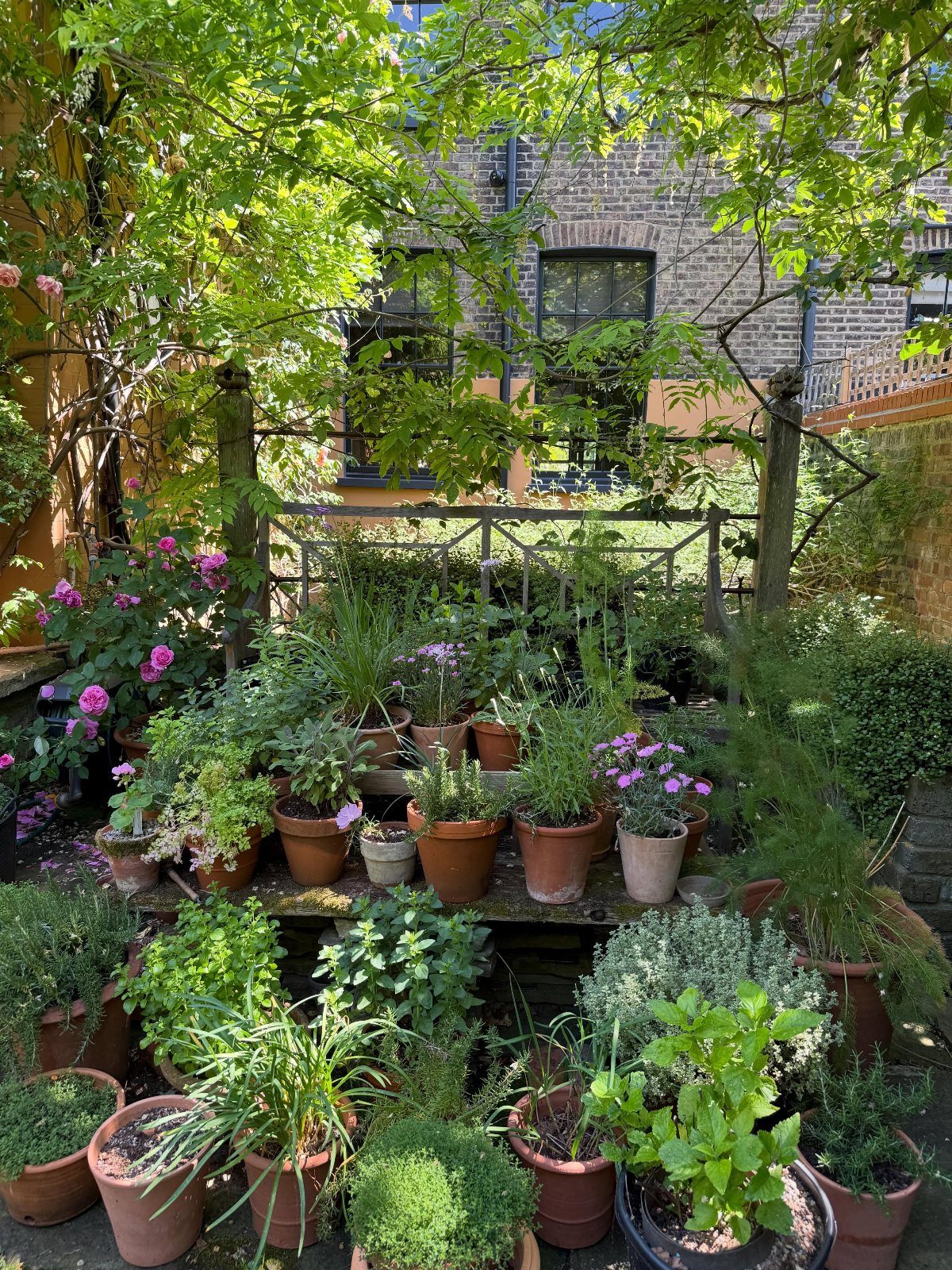
Terracotta and plastic pots lined on a stone ledge let me move plants for more sun or less wind as the season shifts. A ledge along a bench turns seating into a garden border without extra construction.
Terracotta breathes and dries fast; plastic holds moisture longer. Plastic pots hold moisture longer, so they suit spots you forget to water; terracotta breathes and dries faster, which helps where you tend to overdo it.
A ledge this wide needs pots with saucers, or stone stains and roots rot from trapped water.
This suits renters and anyone whose light changes through the day; shifting a pot beats rebuilding a bed.
Soil Preparation
Weeds compete for water and nutrients from day one, so clearing them before loosening saves effort later.
I work the soil with a fork or broadfork rather than a tiller when possible; tilling can destroy fungal networks that feed vegetables over the season.
Mulch is the step most beginners skip. Straw, grass clippings, or seedless herbs laid on loosened soil keep moisture in and protect the structure you just opened.
Polyethylene mulch films last longer but stay in the soil; compostable bio-films break down in roughly 3 months and disappear completely. I prefer organic mulch I can turn under at season’s end.
Nettles without seeds work surprisingly well if you have them. The soil underneath stays active and moist, which matters more than most first-timers realize.
Planting Tips for Beginners
A 4 x 4-foot raised bed filled with purchased garden soil lets you skip amending native ground in year one.
That is the practical reason to start there, not because raised beds grow better vegetables. Kits run roughly $100–$200 in wood, composite, PVC, or galvanized steel; build your own if you have pallets and a saw.
Radishes, beans, and leafy greens tolerate the learning curve.
Loose soil in a brand-new bed is exactly what beets and carrots want; their roots swell without fighting compacted dirt. I would add potatoes and zucchini to the easy list; they forgive uneven watering and half-day sun.
Start with one or two crops, not six. A small success in May builds the patience for the complications of July.
Frequently Asked Questions
What can I plant in my veggie patch?
Radishes, beans, and leafy greens put up with beginner mistakes better than almost anything else in the ground. Beets and carrots grow straight and full in loose raised-bed soil because their roots never hit a hardpan to fork around.
Potatoes and zucchini handle skipped waterings and partial shade well enough that I would put them on the easy list for a first season; they forgive uneven watering and half-day sun.
Which vegetables grow best together?
Fast radishes seeded with slower carrots or beets make the best use of one space; the radishes come out first and their tap roots loosen soil for the seedlings left behind.
I scatter both seeds at once and harvest the radishes while the carrots are still small. This pairing works because the 2 crops mature at different speeds, not because of any mystical compatibility.





