
These 10 herbs run from basil sown in a starter tray to rosemary trained into a standard over years, and the one that belongs in your soil is the one that matches your winter hardiness zone and your patience for watering.
I start oregano in black grow bags for the heat and sharp drainage, while mint needs sunken pots just to keep it from escaping into the lawn; French tarragon carries true anise sweetness, so I propagate by division or not at all.
1. Basil
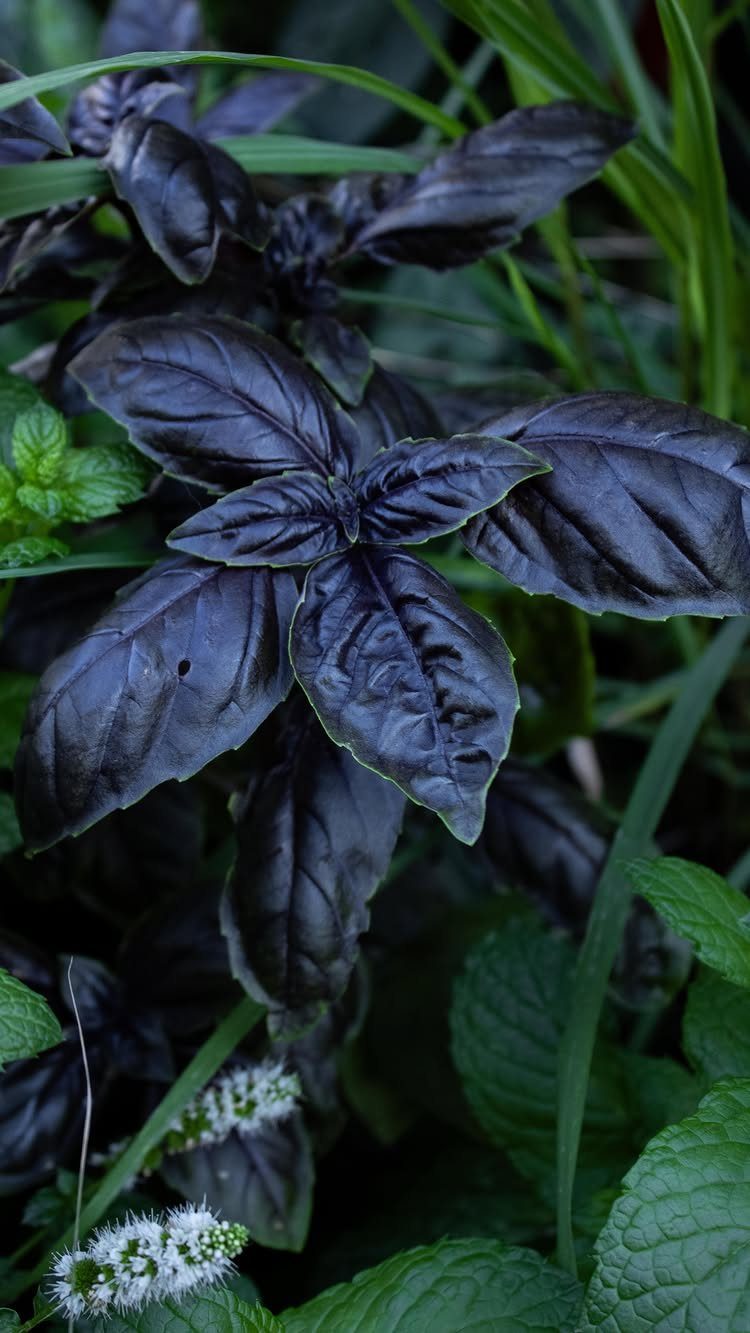
Purple basil holds its color best in full sun and warm soil, so I wait until nighttime temperatures stay above 50°F before planting.
Dark, dense purple basil is my favorite for pesto; the flavor is milder than green Genovese but the color carries the whole dish.
Pinch the top growth every week to keep it bushy and delay flowering, which turns the leaves bitter. One plant in a pot yields enough for weekly kitchen use through summer.
2. Oregano
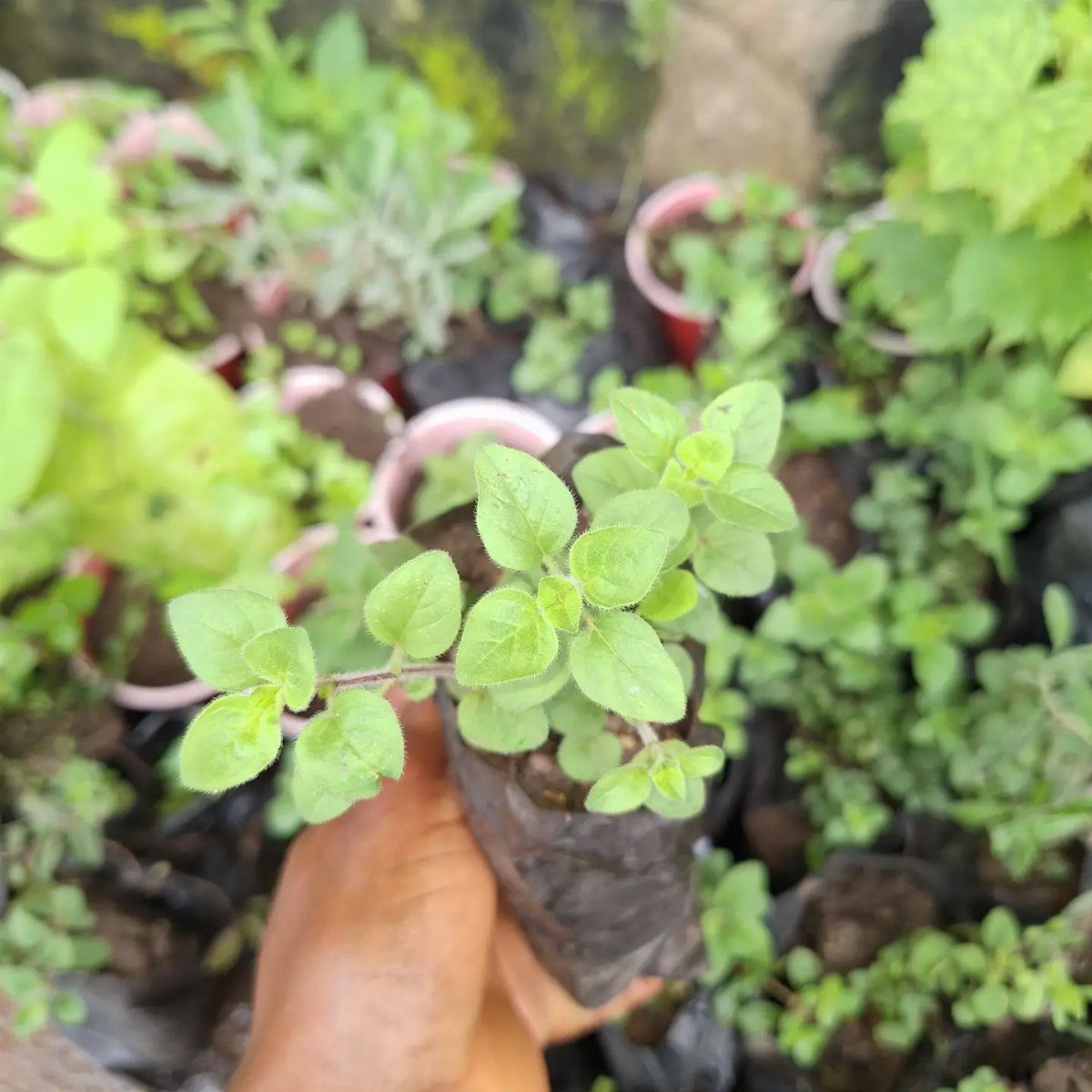
A black grow bag is how I start oregano now; the roots need sharp drainage and the plastic warms the soil faster than terracotta.
This herb builds its real flavor in dry, lean conditions, so I hold back on fertilizer and let the top inch of soil dry between waterings.
It is perennial in zones 5–9, which means a single plant in a pot sunk into the garden over winter comes back for several years.
For cooking, I strip leaves from woody stems and chop them fine; dried homegrown oregano is stronger than anything store-bought.
3. Parsley
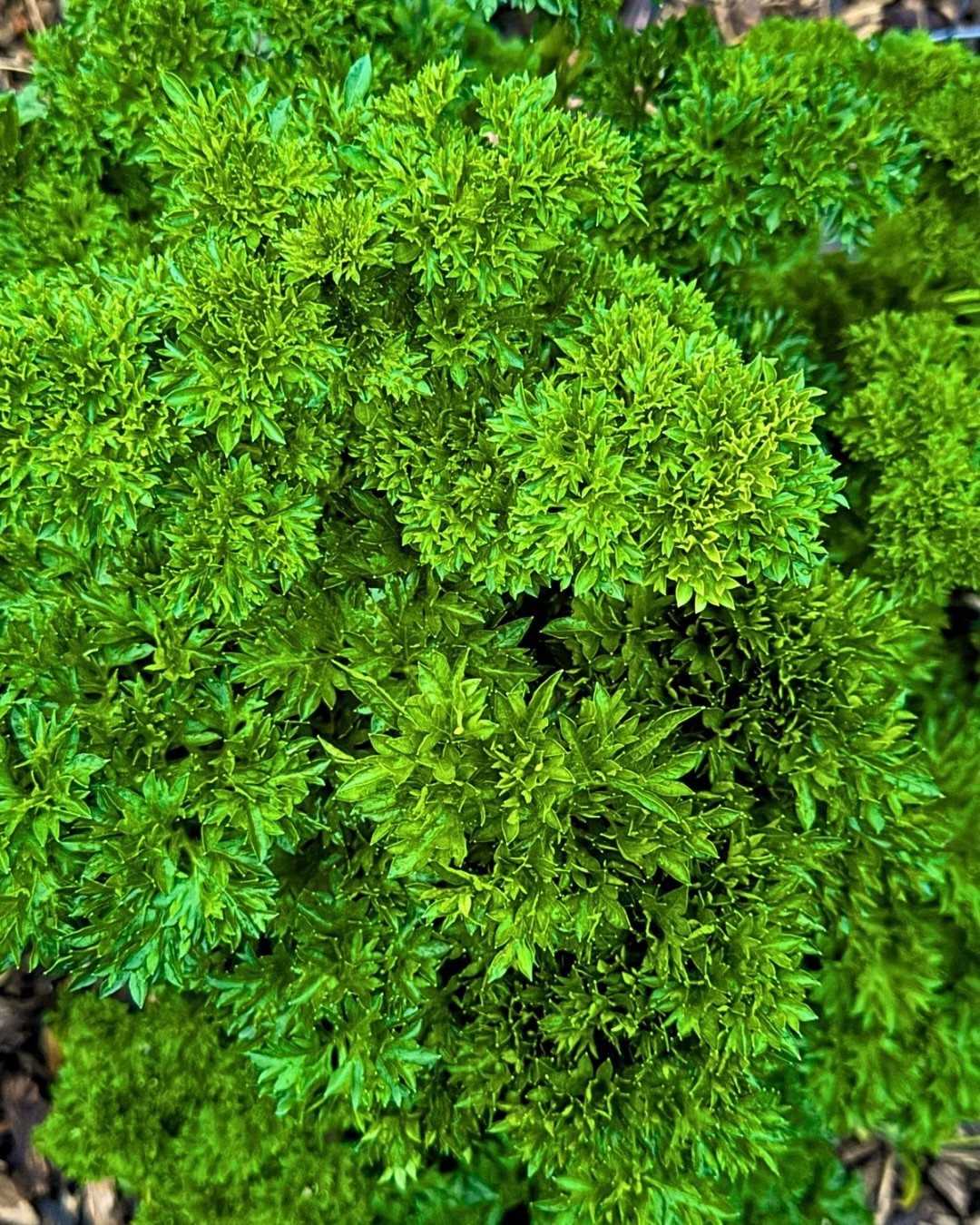
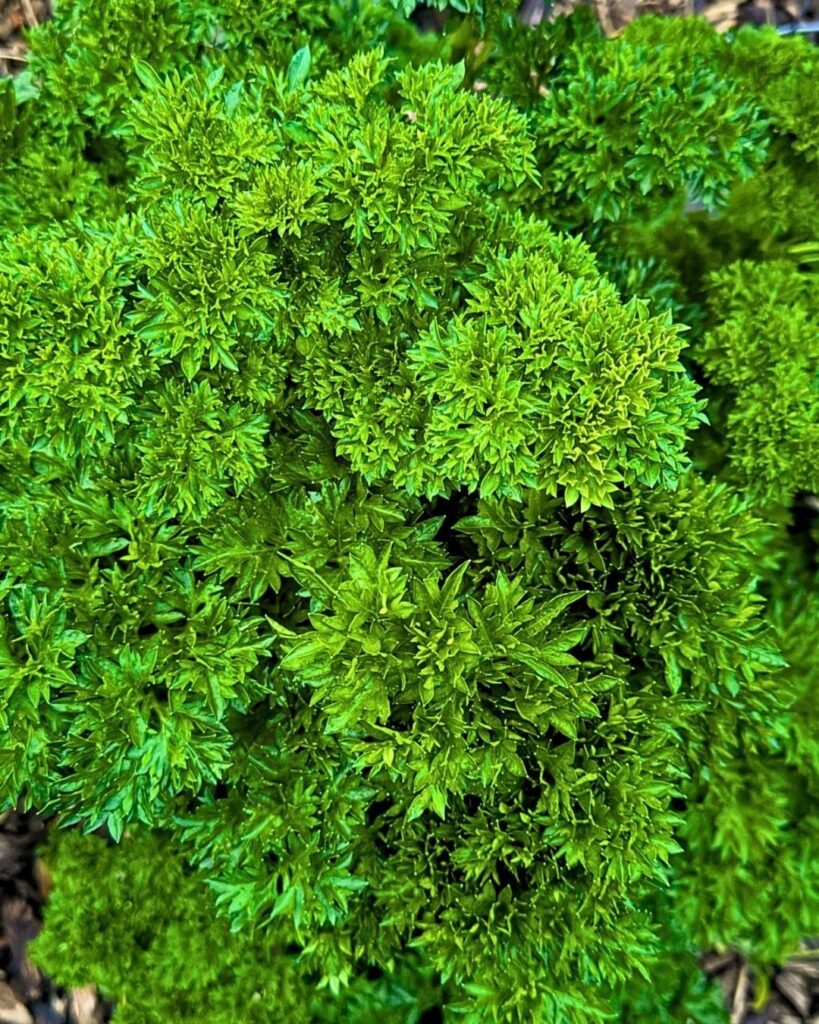
Curly parsley fills space the way flat-leaf Italian does not; the ruffled leaves catch light and hide bare soil underneath.
I sow it directly because the seedlings resent transplanting, and I soak the seeds overnight in warm water to break the germination inhibitor that otherwise keeps them dormant for weeks.
It is biennial, which means the first year gives leaves and the second gives flowers and tough foliage, so I replant every spring.
As a garnish, it adds color without competing with the dish; as a flavor, it goes in at the end, since heat quickly cooks off its volatile oils.
4. Chives
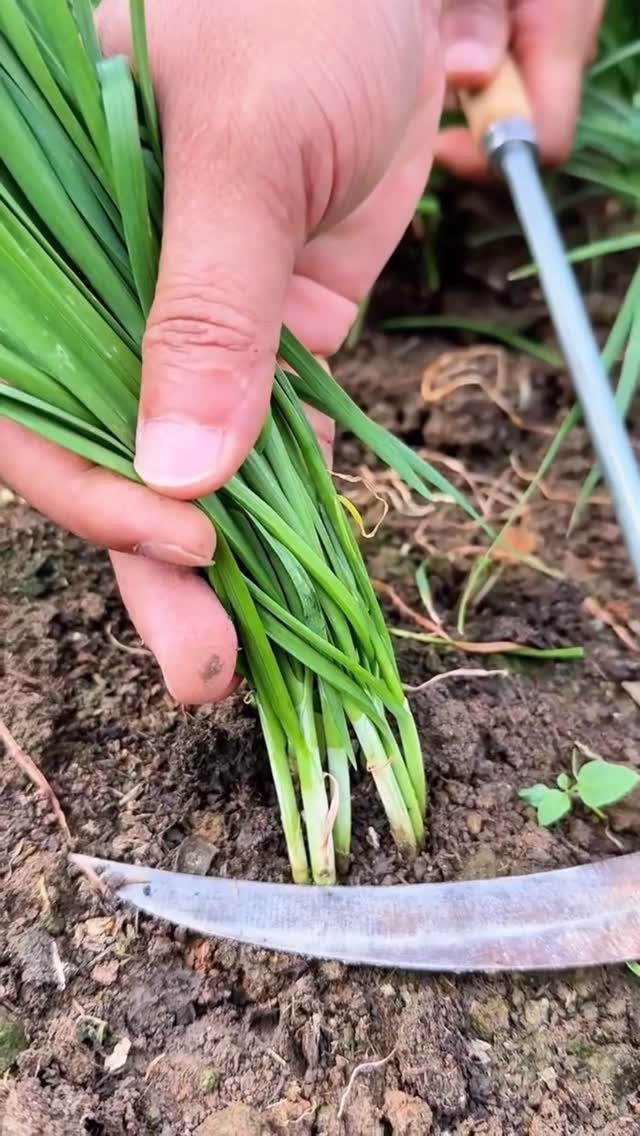
A sickle blade is overkill for chives, which pull cleanly by hand, but the tool does signal how often I harvest them.
Cut a whole clump to the base during growing season; the hollow tubes regrow from the root crown, not the cut tip, so a clean snip low on the plant gives the cleanest regrowth.
The purple pom-pom flowers are edible and hold their shape in vinegar, which is how I preserve a glut. Chives spread by seed and by bulblets underground, so I dig and divide every third year or they choke themselves.
5. Dill
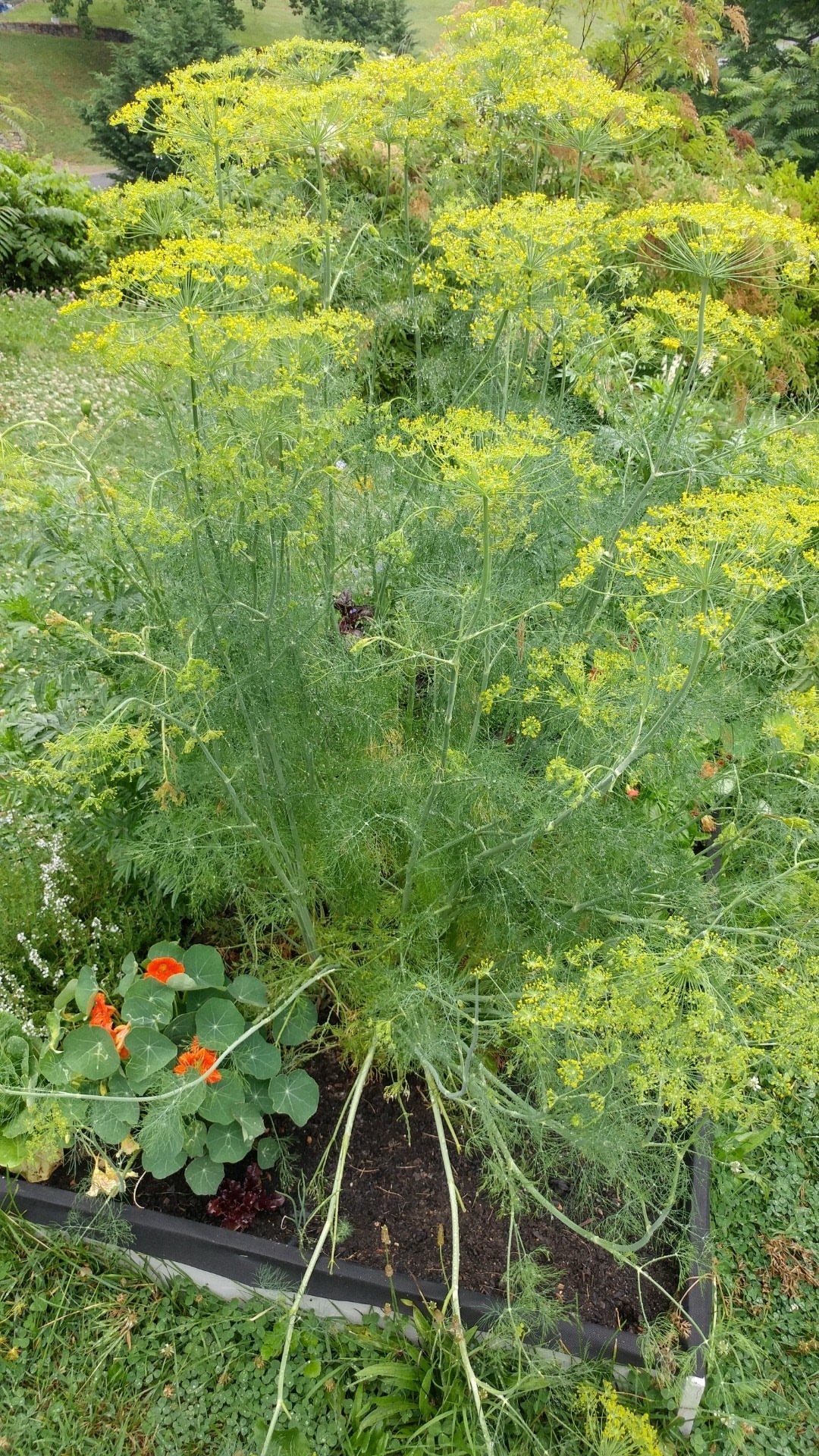
Dill bolts to seed when summer soil gets hot, so I sow in late March and again in early September for the fall crop.
The yellow umbels are the stage before seed; I harvest when most flowers have opened but none have set seed, then hang the whole stalk upside down in paper bags.
The feathery foliage is what I use fresh in yogurt sauces, the seeds for pickles.
Dill roots do not transplant, so I sow where it will grow, spaced well apart, and accept that the tall plants shade whatever is behind them.
How to Grow: Dill is easier to grow from seeds rather than a plant. Sow the seeds 1/4 an inch deep and around 18 inches apart.
6. Mint
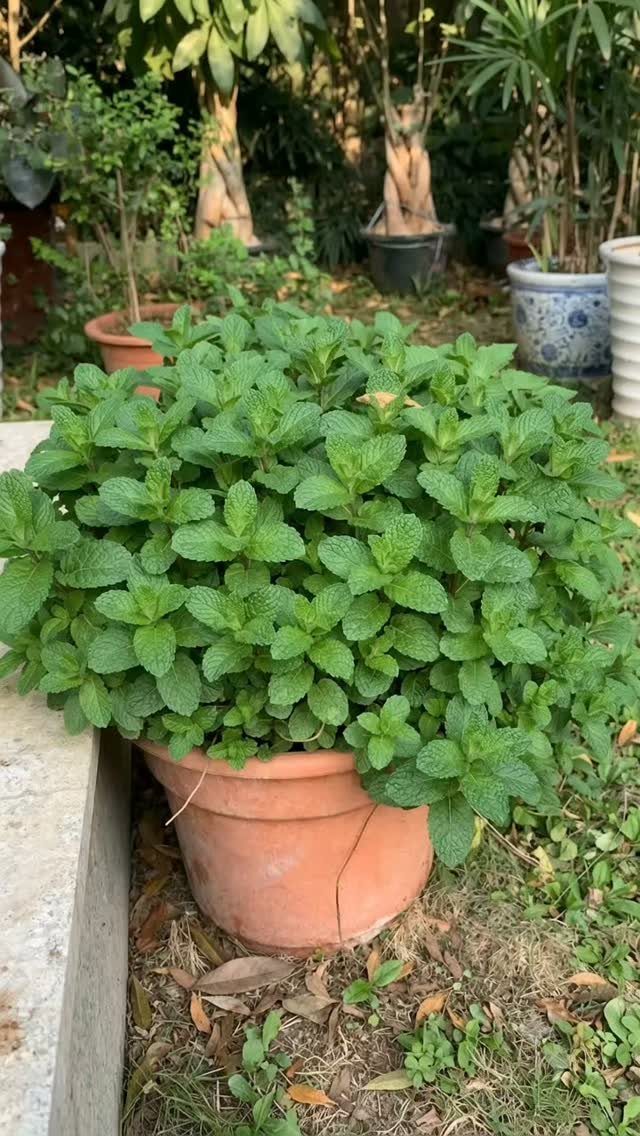
Mint escapes any container it can; cracked terracotta is probably how it got into the grass beyond.
I grow mine in sunken pots, rim flush with the soil, which slows the runners but does not stop them. Spearmint is what I prefer for mojitos and for tea; peppermint is sharper and better with chocolate.
Given water, it produces in shade that would starve basil, which makes it the herb for the north side of a building or under a porch overhang.
Cut it hard, almost to the ground, twice a season to keep the leaves young and fragrant.
7. Thyme
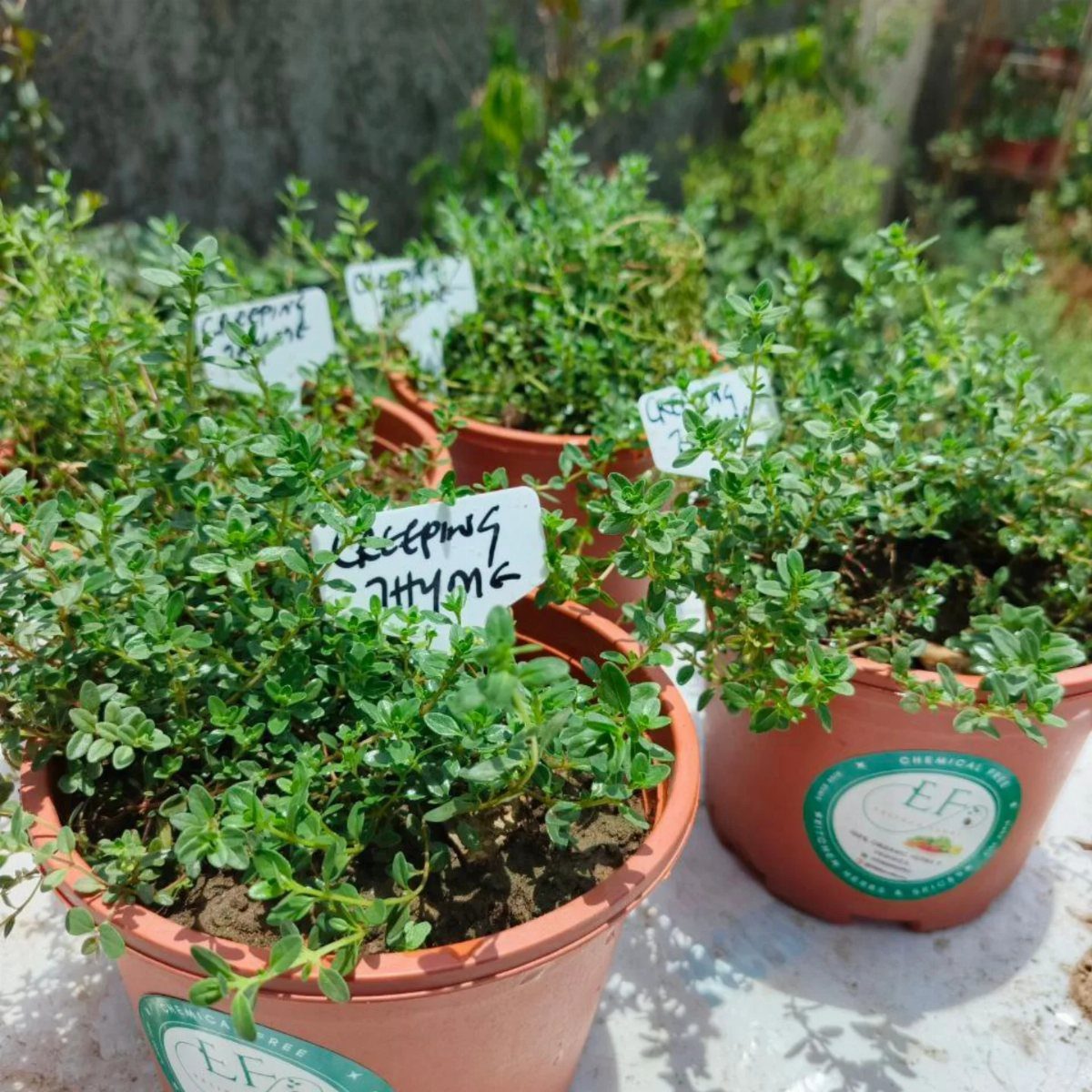
Creeping thyme spills over the edge of a pot better than upright varieties, which is why I keep mine in hanging baskets where the stems can trail a foot or more.
It tolerates drought once established, so I let the soil dry almost completely between waterings; too much moisture rots the woody base. The flavor is strong enough that a small handful seasons a whole roast.
It wants full sun and lean soil. I do not feed mine, and I shear it back by half after flowering to keep the mat dense.
8. Sage
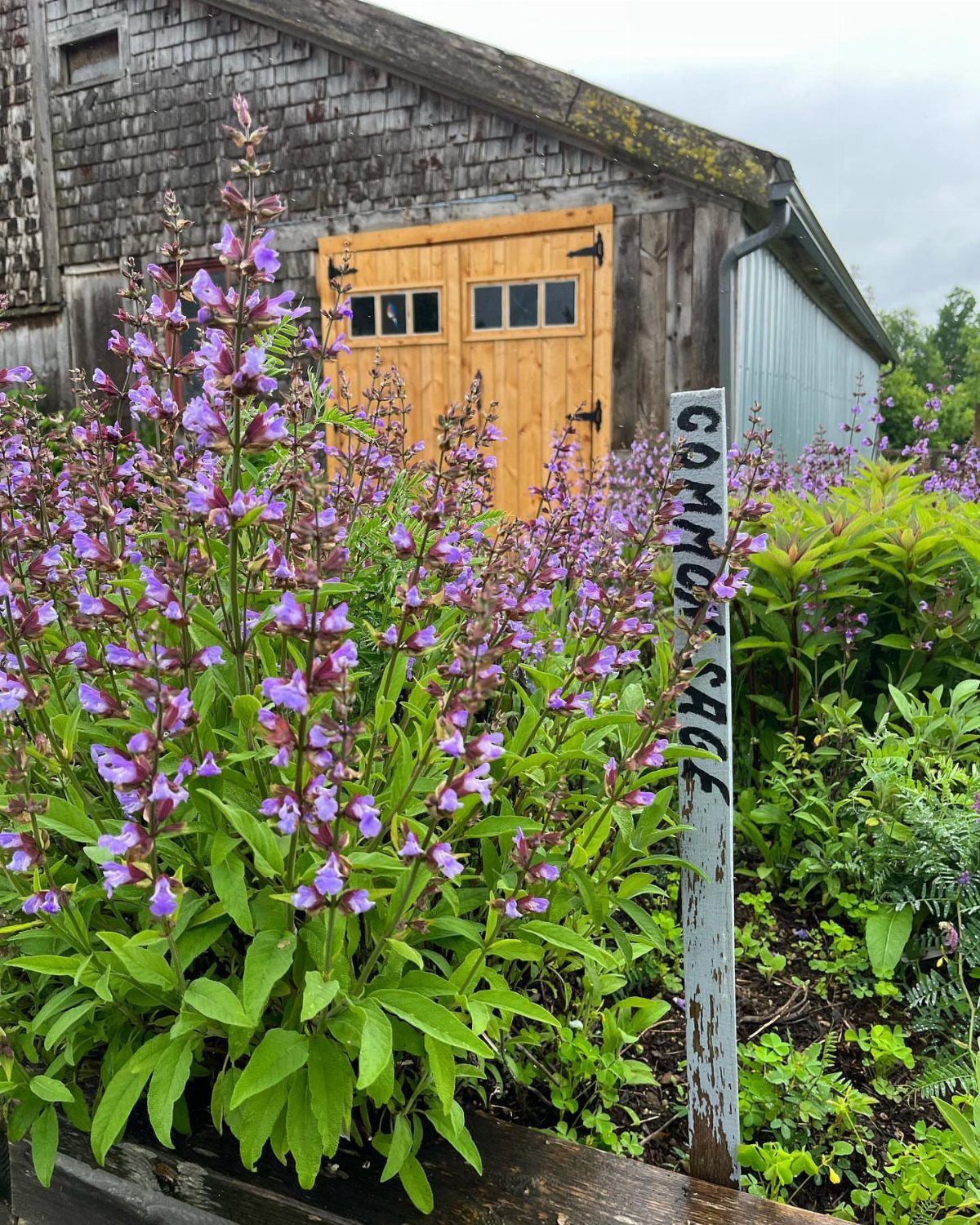
The purple flowers on common sage are edible, though I pick them off young and scatter them over salads where their color shows against greens.
Once a sage plant gets woody at the base, I prune out the oldest stems each spring to force new growth from below.
Russian sage looks similar in bloom but is a different species with no real flavor; for cooking, I stick to Salvia officinalis.
It is perennial in zones 4–8. Wet winter soil kills more sage than cold does, so I mound the crown with grit if the spot holds water.
9. French Tarragon
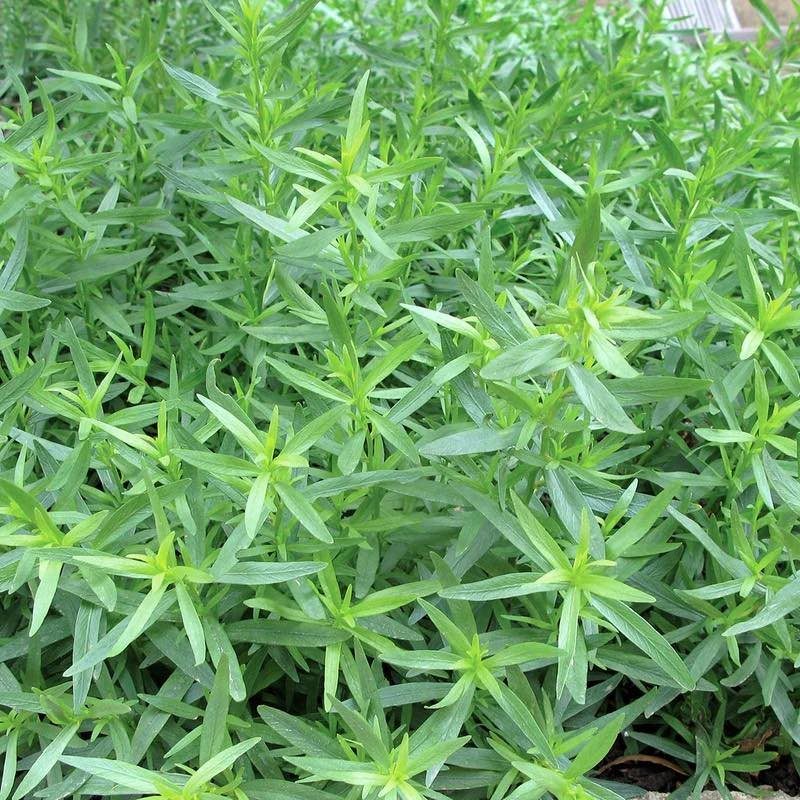
French tarragon has to be propagated from cuttings or root division; the seed sold as tarragon is almost always Russian tarragon, which tastes of wet cardboard and grows taller but carries none of the anise sweetness.
French tarragon spreads slowly by runners, so I divide established clumps every second spring to keep them vigorous and to share with friends.
The slender leaves bruise easily, so I add them at the end of cooking or use them raw in vinaigrettes. It needs winter protection north of zone 4; I sink the pot in the ground and mulch with straw.
10. Rosemary
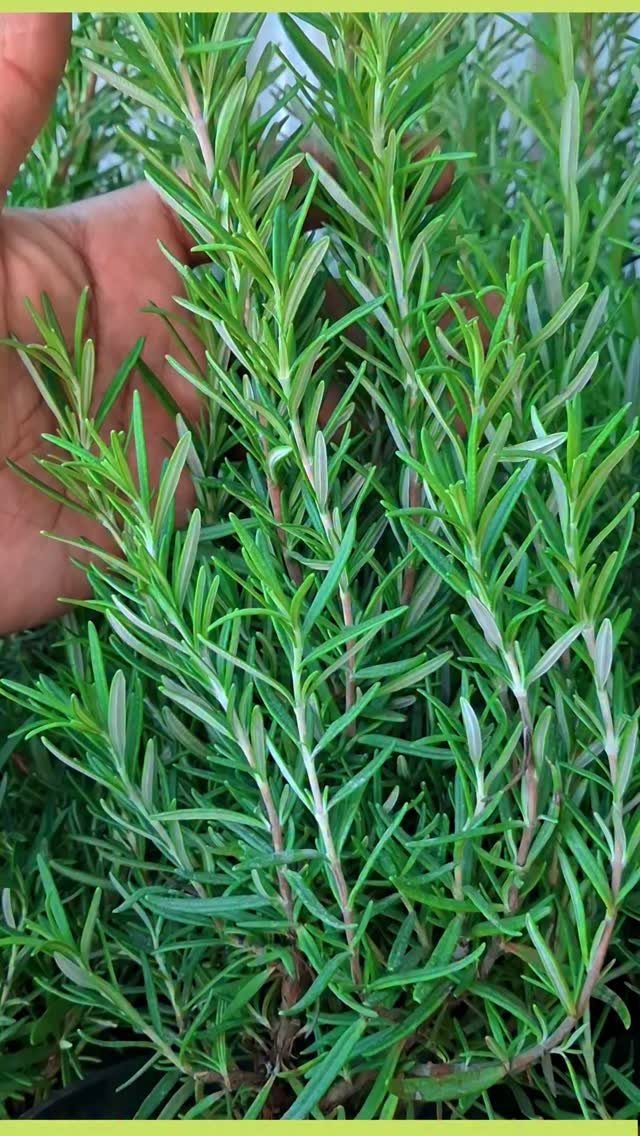
A rosemary bush grown against a warm wall develops a woody trunk you can train into a standard, though I keep mine shrubby and cut back after flowering.
The needle-like leaves hold their oils best in poor, well-drained soil; I mix one part coarse sand into two parts potting mix and never let the roots sit wet.
In the ground rosemary grows wide and shrubby, so I plant it where it will not crowd slower neighbors.
It is hardy only to zone 8. In colder winters I move my potted plant into an unheated garage and water just enough to keep the roots from desiccating.
Growing Conditions
Most herbs want the same conditions as vegetables: full sun and soil that drains well. The difference is in the roots, which stay shallow, so a top layer of compost or organic matter does more good than deep digging.
Mint is the exception that proves the rule. Mint handles the dim corners where basil turns leggy and weak, and left alone in a garden bed it will colonize every inch of open soil by fall.
Some herbs need leaner conditions than others. Oregano and thyme build stronger flavor when the soil is poor and dry; too much water or fertilizer robs them of taste.
Container Gardening
A sunny window, a balcony railing, or a patch of patio is enough for a working herb garden.
Group by water needs rather than by looks.
Thyme and rosemary want to dry almost completely between waterings; basil and mint want steady moisture. Putting them in the same pot means one will suffer.
Label each container.
Harvesting Tips
Harvest early and often once the plant is established.
When frost threatens, cut as much as you can use fresh and preserve the rest.
Hang whole dill stalks upside down in paper bags to catch the seed; pack chive flowers into vinegar where they hold their shape and color. Freeze what you cannot dry.
Hardy mint-family perennials shift into containers before the first hard freeze and keep producing on a sunny kitchen sill through January.
The rest of the perennial bed, chives and oregano and thyme, will come back on its own in spring if it is hardy to your zone.
Replant the annuals from seed, or from nursery plants if you want the head start.
Frequently Asked Questions
What herbs are difficult to grow?
Cilantro and dill bolt easily in warm weather, which means they rush to flower and turn bitter before you get much leaf harvest.
Dill at least gives you seeds and umbels if you time it right; cilantro goes straight to lacey flower stalks and tough leaves.
I sow dill early and late to dodge summer heat, and I skip cilantro entirely in July and August.
What are the 10 most commonly used herbs?
Basil, parsley, cilantro, and rosemary show up on every list of kitchen staples, and I would add oregano, thyme, mint, chives, sage, and dill to round out 10.
These are the herbs you reach for across cuisines, from Italian to Mexican to Middle Eastern. All of them handle a pot or a small garden bed just fine.
What herbs live all year round?
Perennial herbs like rosemary, thyme, mint, chives, oregano, and sage survive year-round in the ground if your zone matches their hardiness.
Rosemary only makes it to zone 8; thyme and oregano handle zones 5–9; sage manages 4–8. In colder winters I sink potted rosemary and French tarragon in the ground and mulch, or move pots to an unheated garage.
How do you grow herbs at home?
A sunny window, balcony railing, or patio patch is enough; fill containers with well-drained potting mix and group plants by water needs.
Nursery plants get you there faster; seeds work too if you are starting well ahead of when you want the leaves.





