
Urban gardening ideas run from a windowsill tray of microgreens to a rooftop terrace that needs structural sign-off before you haul the first planter up.
The single thing that decides which one is yours is whether you own the space or rent it; that determines if you can build a raised bed in the yard or are stuck with what fits in a container you can carry out at lease end.
1. Raised Beds
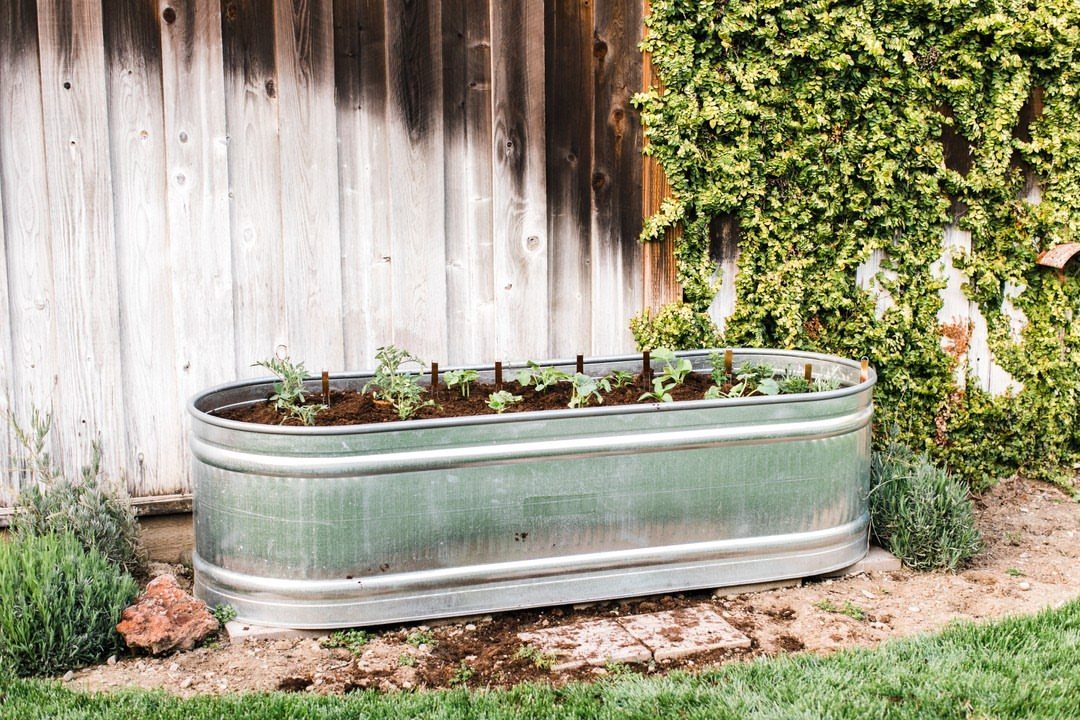
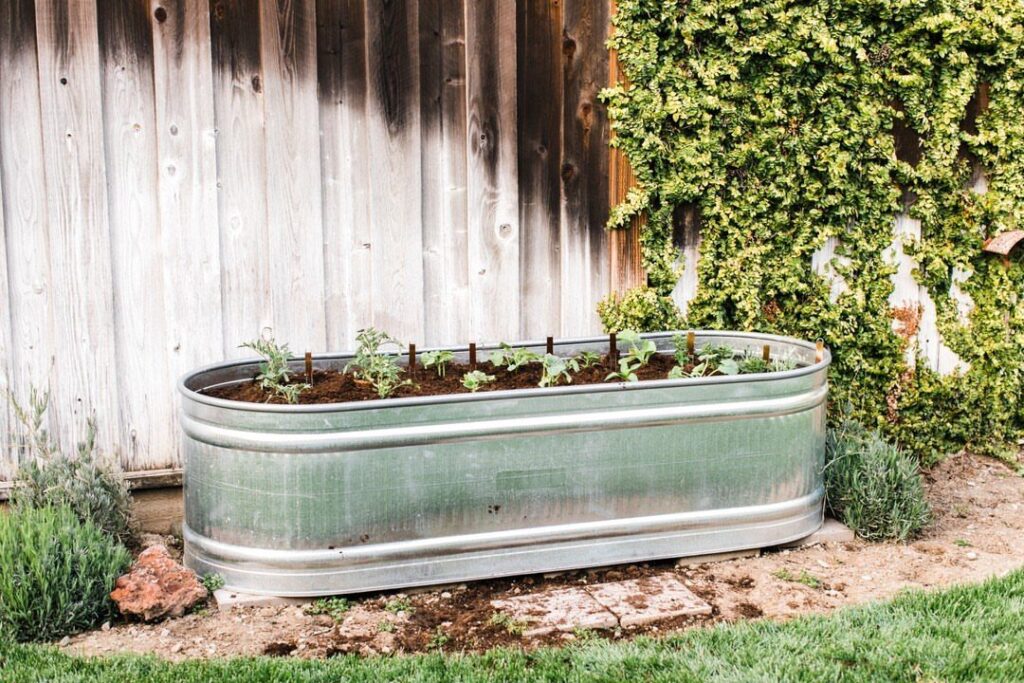
A galvanized stock tank turns drainage problems into solved problems. The metal walls warm soil faster in spring, which buys you 2-3 weeks on the growing season, and the 2 ft height means no bending to weed.
I would drill extra holes in the bottom before filling; the factory drainage is rarely enough for tomatoes in a wet week.
Line the base with hardware cloth if your yard has a gopher issue, then fill with a mix of topsoil and compost rather than potting mix; the volume would cost too much otherwise.
2. Vertical Garden
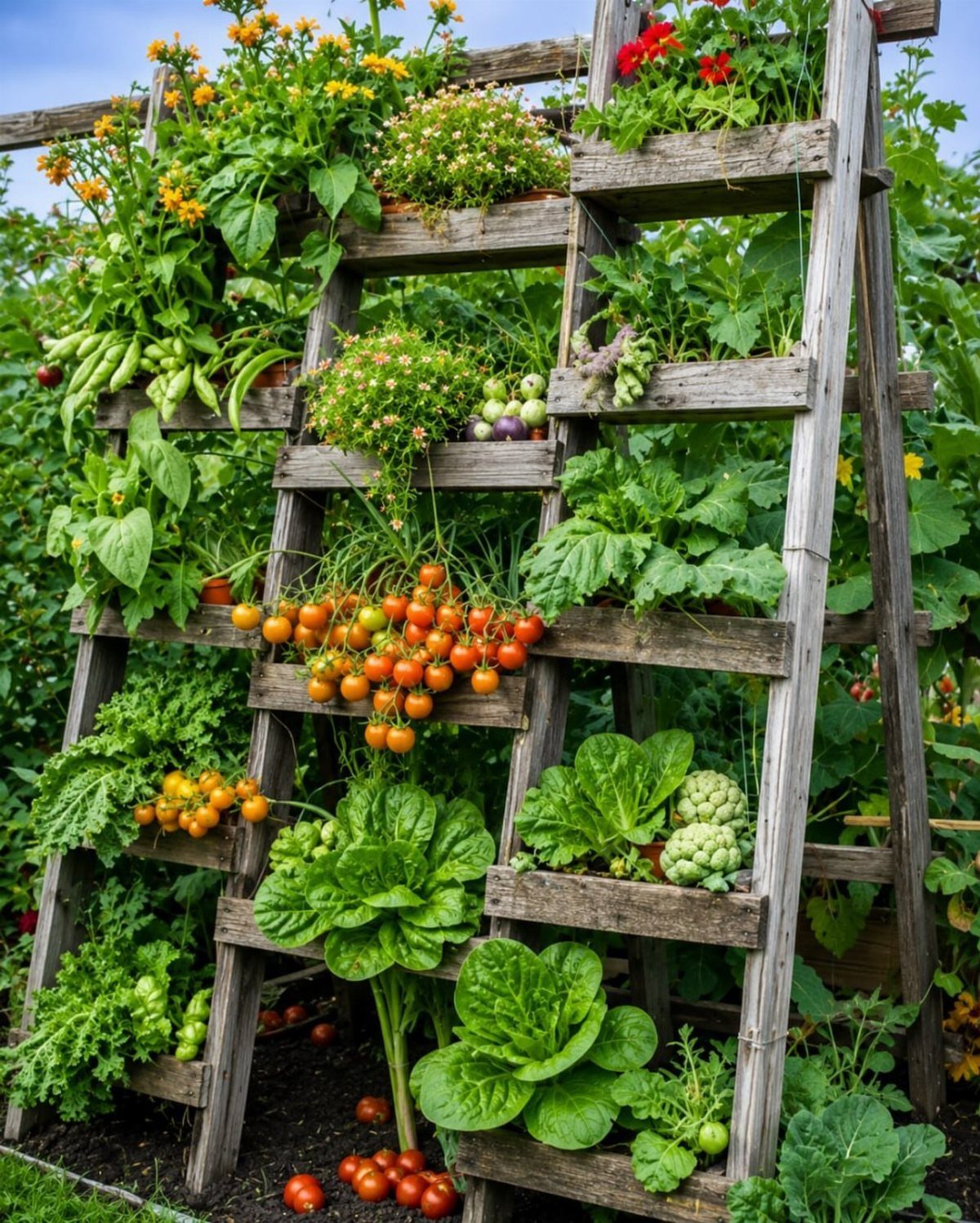
A wooden ladder leans against any sunny wall and suddenly holds pots where none grew before. Weight is the issue: a full terracotta pot runs heavy, so I lash the ladder top and bottom to something solid.
The slanted rungs actually help; water drains to the back rather than onto the pot below.
I stagger greens low, herbs mid, and let tomatoes vine from the top rung where the stem can droop without breaking. Paint the wood with exterior deck stain on schedule or the legs rot at the soil line.
3. Indoor Gardening
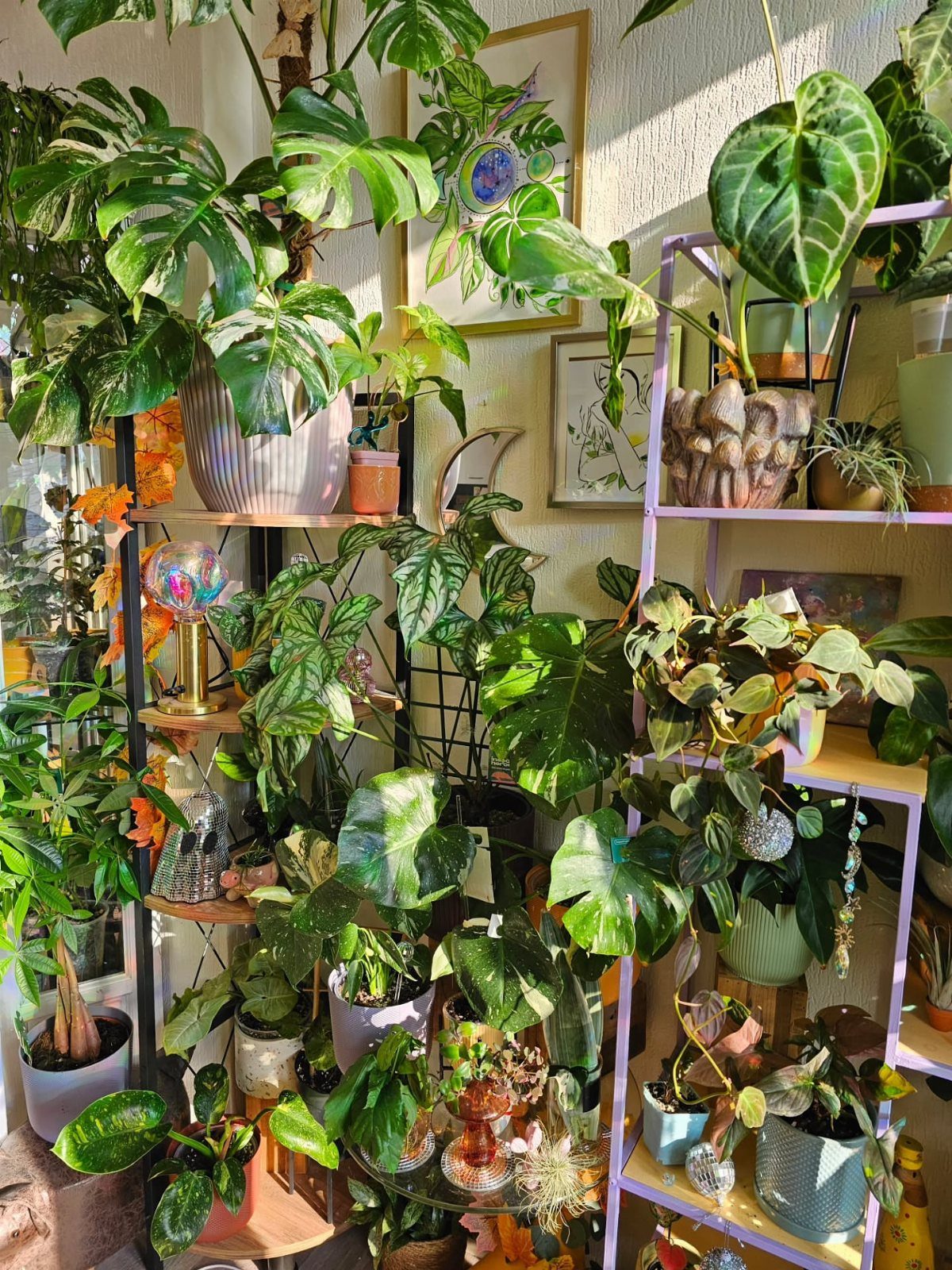
A corner works when the window faces something other than a brick wall; light is the whole game indoors.
A south-facing window gives you the fiddle-leaf figs and monsteras, but an east window limits you to pothos and snake plants unless you add a grow light.
I run trays under my shelves to catch the overflow; one overwatered pot ruins the floor below it.
Group plants with similar water needs, because the fern that wants damp soil will struggle if you water it on the same schedule as the succulent that wants to dry out completely.
Humidity trays help in winter when the heat runs dry.
4. Container Garden
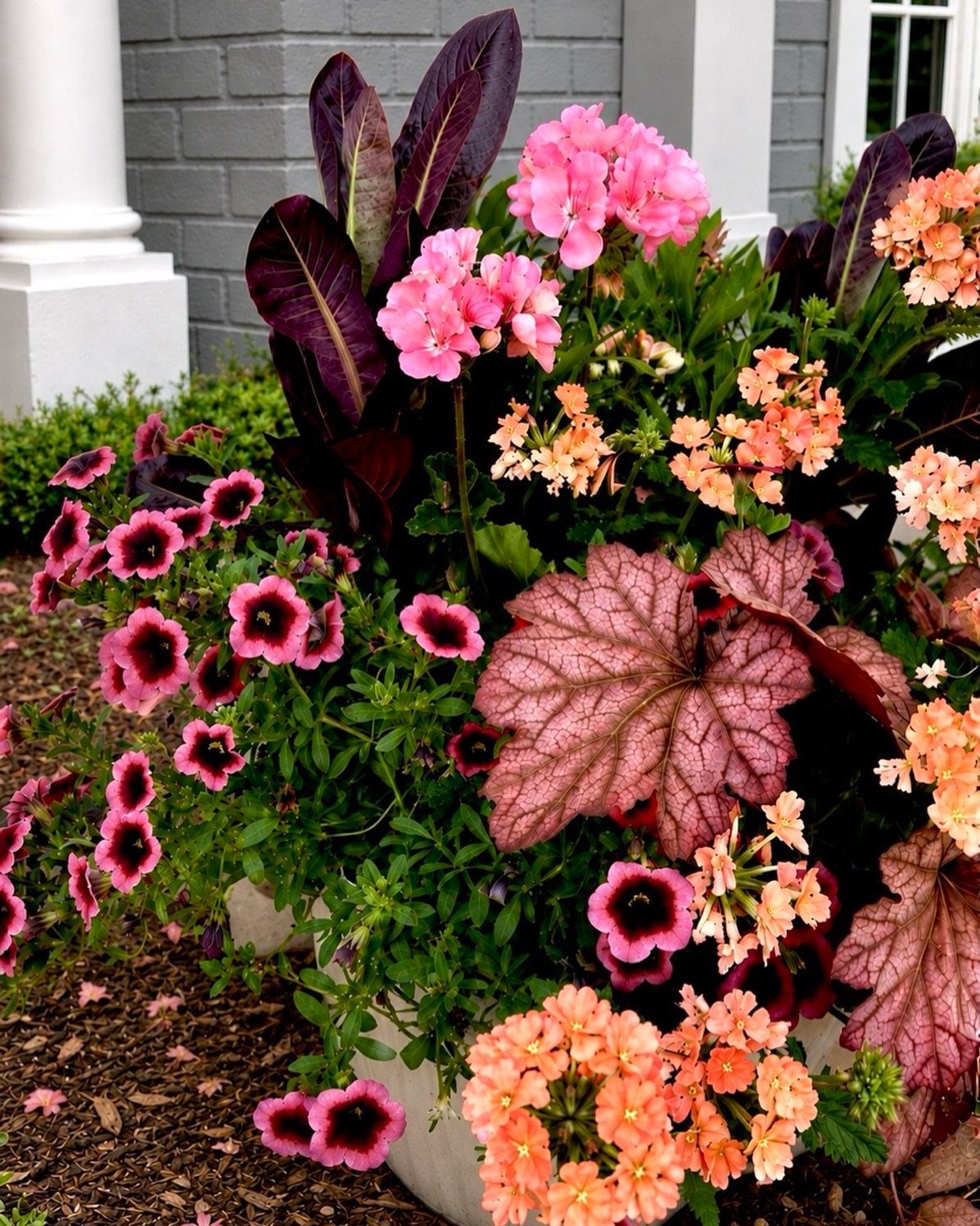
One large planter beats several small ones for impact; the soil mass also buffers temperature swings that stress roots. Mix geraniums with trailing verbena and dark foliage, which is the formula I copy: one upright, one spiller, one contrast leaf.
Drainage holes matter more than pot material; I have killed more plants in glazed ceramic with a blocked hole than in cheap plastic with four.
Refresh the top 2 in of soil each spring rather than replacing the whole pot; the old lower soil has settled into a decent structure by year two.
5. Microgreens
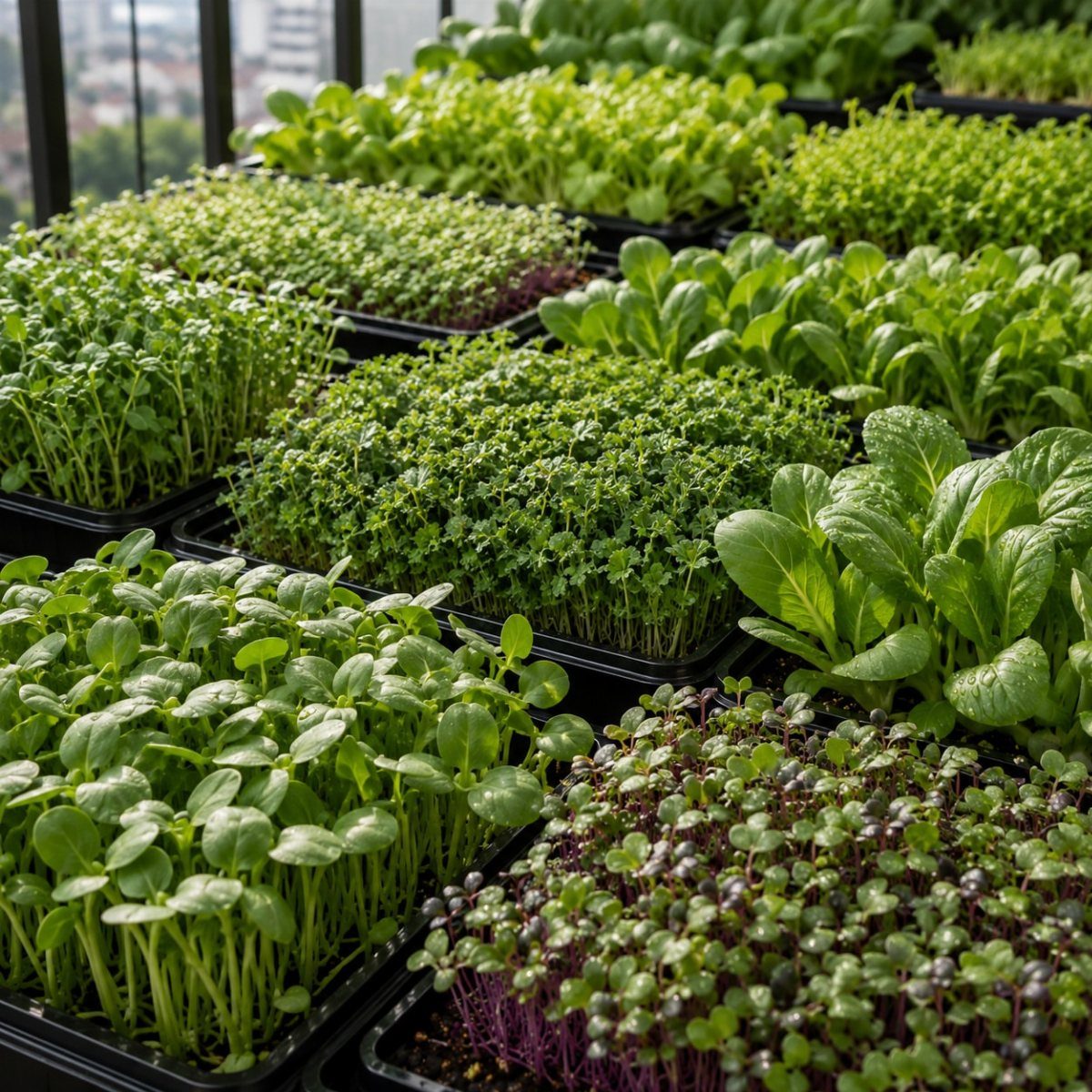
Black trays on a windowsill turn around fast from seed to harvest, which is the quickest return in gardening.
I use a 50/50 mix of coconut coir and vermiculite, no nutrients needed; the seed carries its own food.
A second tray nested underneath, filled with water, keeps the humidity steady without daily watering. After harvest, the roots and coir go straight to compost; I do not bother trying to reuse the medium.
6. Water Features
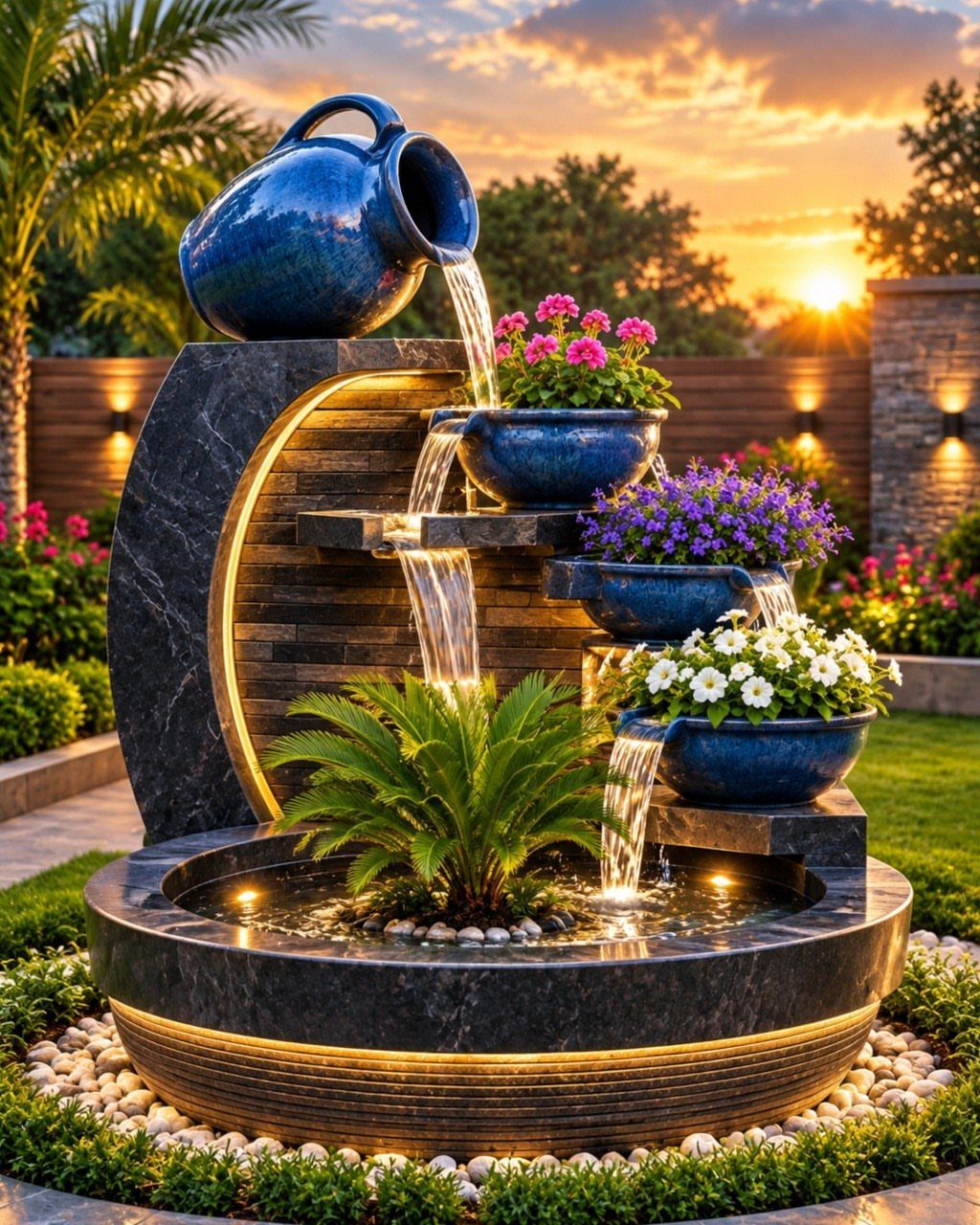
A tiered fountain with planted bowls gives you sound and color in the same footprint; the ceramic jug spilling into stacked tiers above is louder than a single basin and the sound carries farther.
I run mine on a pump with enough cord length for 3 tiers without splashing out.
The planted bowls need aquatic soil or the nutrients wash into the water and algae blooms within a week.
I pull the pump in October, clean the intake screen, and store it in a bucket of water indoors so the seals do not dry and crack.
A fountain this size evaporates 2-3 gal per week in July sun; plan the refill into your routine or the pump burns out.
7. Native Plants
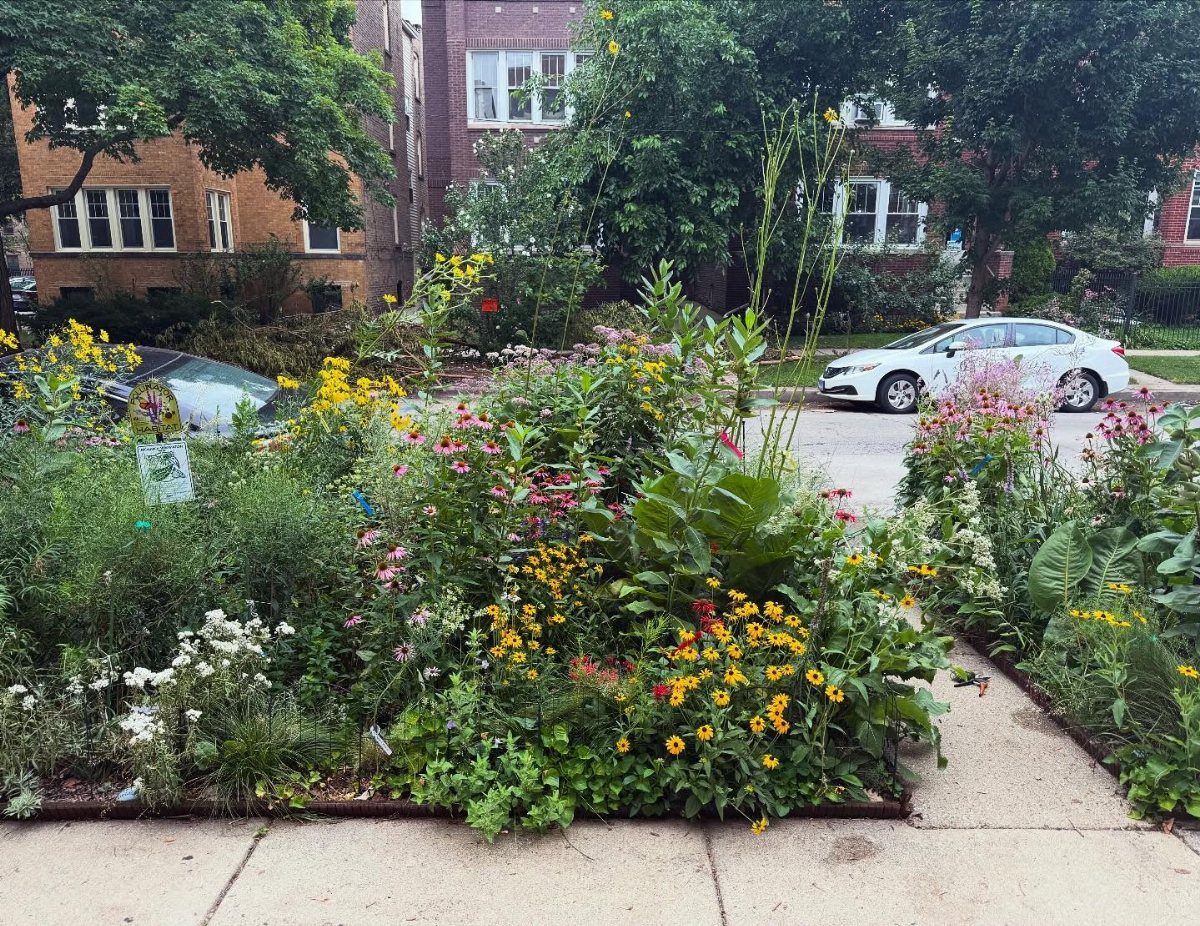
A "Pollinator Habitat" sign on a city sidewalk means someone chose plants the local bees already recognize. Natives survive on rainfall once established, which matters when you garden in a bed you do not own and cannot water daily.
I would check my state’s extension office list before buying; a plant sold as native may be a cultivar bred for looks and stripped of the nectar the sign promises.
Dense planting crowds out weeds without mulch, but leave air between stems or mildew spreads in the humidity of brick canyons.
8. LED Grow Lights
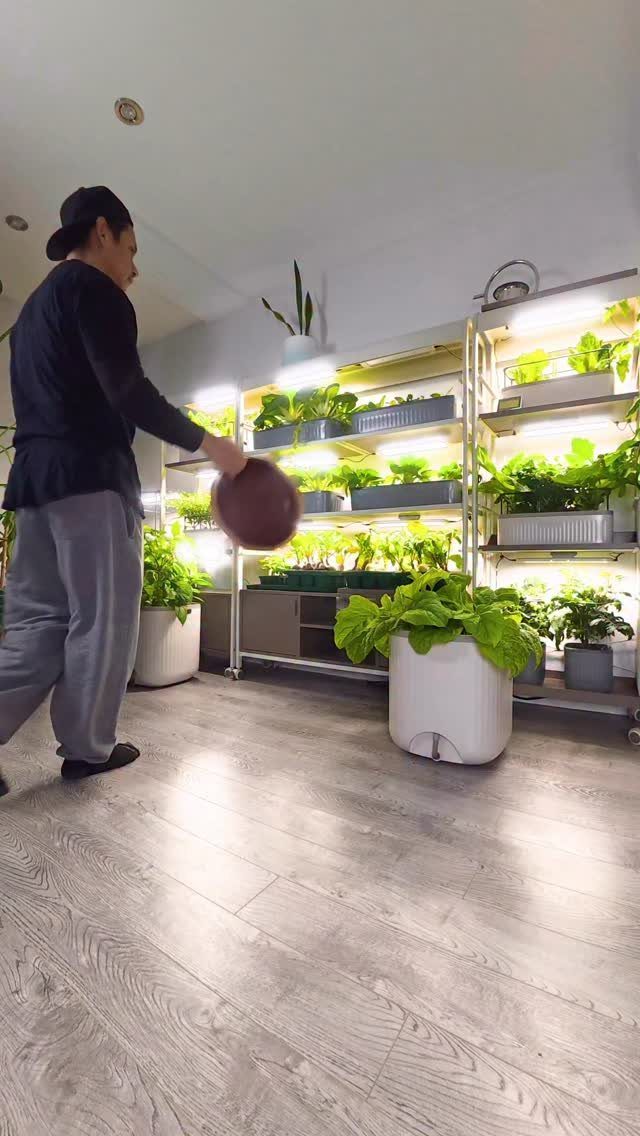
Shelves of leafy greens under pink-white LED panels turn a living room wall into a year-round salad source. Full-spectrum diodes in the 4000-6500K range cover leafy vegetables without the blurple look that annoys housemates; wattage is secondary.
I would hang panels with ratchet pulleys, not fixed hooks, because plants start 6 in tall and finish 18.
A timer set to mimic long June days keeps growth steady; manual switching fails by February when the novelty wears off. Heat stays low with LEDs, but the driver box still needs airflow or it shortens the diode life.
9. Rooftop Garden
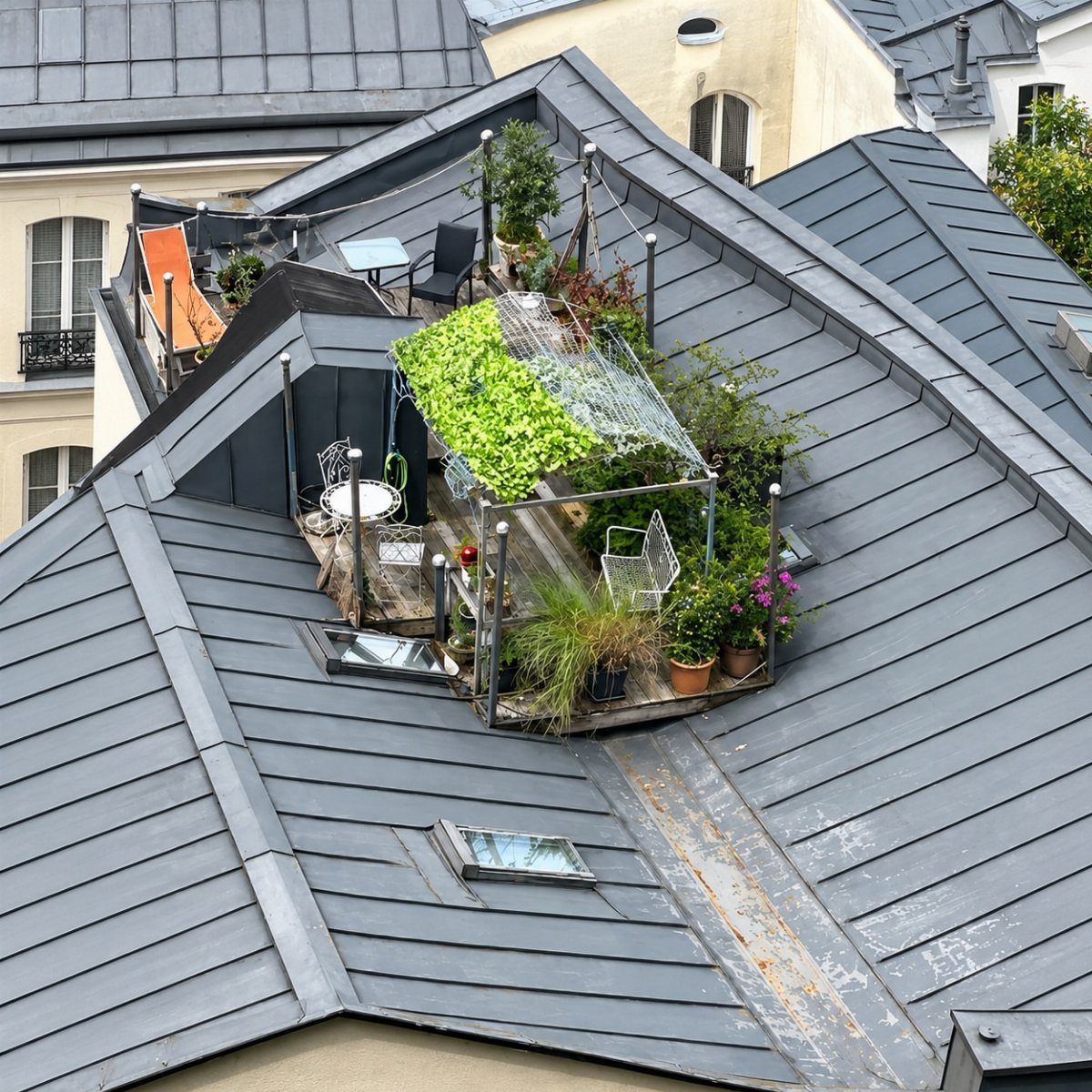
A wooden terrace on grey metal gives you sun exposure no ground-floor plot matches, but the wind tears leaves and dries pots in an afternoon.
A pergola does real work in wind; a wire trellis alone would flap until it tore its anchors.
Weight limits the real decision. Soil weighs 100 lb per cubic foot wet, so I would keep planters under 18 in deep and use a mix heavy on perlite.
Wood decking on a roof should sit on pedestals, not directly on membrane; water has to drain somewhere or it pools and rusts the roof below.
Check your lease or building bylaws before hauling anything up; most require a structural sign-off for concentrated loads.
10. Composting
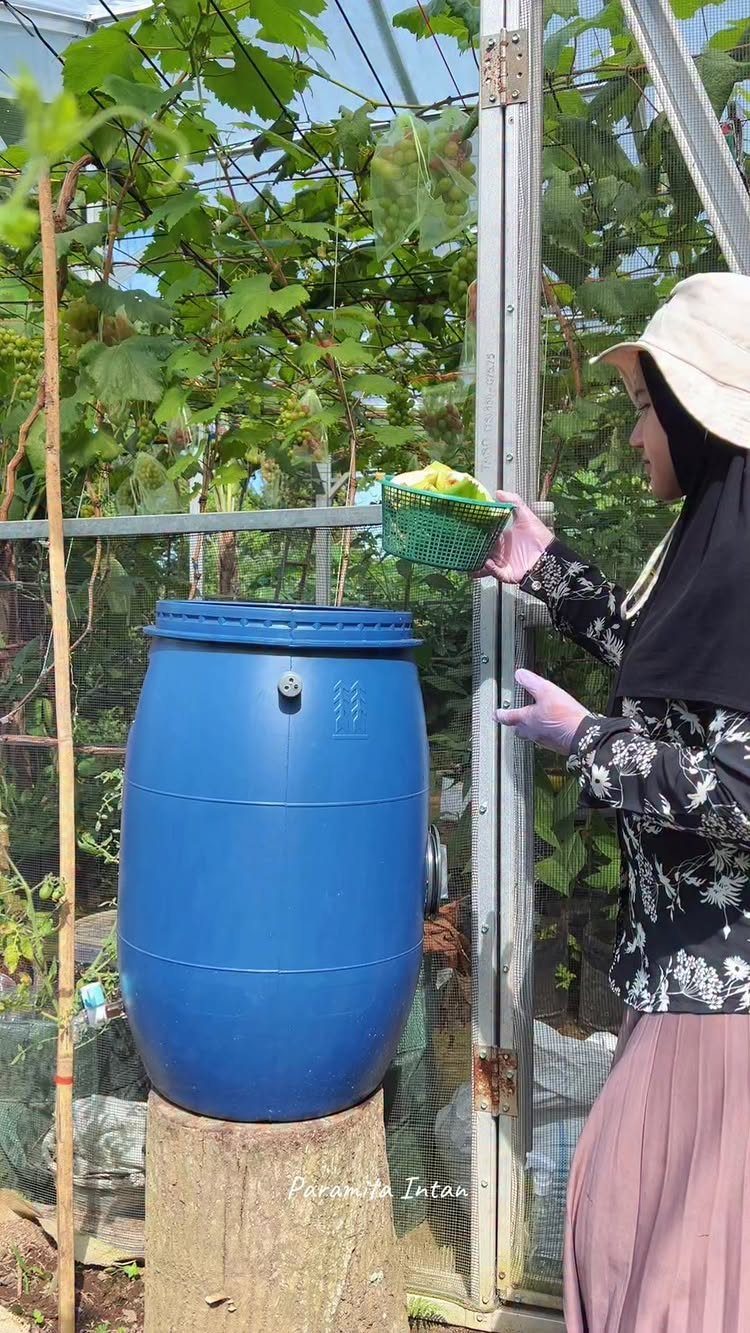
A blue barrel takes vegetable scraps through winter without the rat problems that plague open piles. The enclosed drum heats faster and finishes batch compost sooner if the ratio stays roughly three browns to one green.
I would keep a paper bag of shredded leaves or cardboard next to the bin; every load of kitchen scraps needs a dry cover or the mass turns slimy.
A compost barrel in full sun breaks down faster, but the plastic fades and gets brittle in UV. Store it against a north wall if your winters freeze hard; frozen scraps do not break down until spring anyway.
Choosing the Right Plants
Compact or dwarf varieties are built for the math of small spaces. A tomato bred for a 5 gal bucket stays manageable; the standard vine would outgrow a balcony by July.
Light and water needs have to match if you are grouping plants in one container.
Six to eight hours of sun is the threshold for fruiting plants; shade-tolerant greens will fry in that same spot. Shallow-rooted plants under 12 in tall need 6 in of soil depth minimum; anything deeper rooted wants 12 in or it stalls.
Bagged potting mix weighs less than garden soil and sheds water faster; the dirt already in your yard will compact in a container and choke the roots.
Soak the whole container each time you water, then tip out what collects in the saucer. Sitting water is what rots roots, not the watering itself.
Not only do you have to figure out how much room you have to grow things, but also how much sun your garden gets. Certain plants require a lot of light, like tomatoes, pepper, and squash (basically most fruit-bearing plants).
Watering Strategies
Self-watering pots and drip systems hold moisture right where the roots sit, and that steady access counts for more than your own memory of when you last checked. The reservoir buys you days, not hours, against a dry spell.
A busy schedule makes manual watering inconsistent; a setup that meters its own supply removes that variable. Overwatering drops too, since the plant draws what it needs rather than sitting in whatever you poured.
This scales from a few containers to a full rooftop grid. The core point is the same: roots want steady, not sporadic.
If you are hand-watering, check the soil with a finger before you add more. Dry to the second knuckle means water; damp means wait.
Gardening Techniques for Limited Light
Cities carry more light than you think. Diffuse sun, reflection off windows, and heat stored in concrete all add up; a space that looks dim on a floor plan may still grow leafy greens.
Shade-tolerant varieties handle what direct light you cannot get. Without that option, a full-spectrum panel in the 4000-6500K range replaces the window entirely for non-fruiting plants.
Monitor what the space actually receives, not what it should. Morning sun reads different than afternoon; reflected light behaves different than direct.
A light meter helps, but watching leaf color over 2 weeks tells you plenty. Yellowing toward the window means too much; stretching toward it means too little.
Frequently Asked Questions
What are some examples of urban gardening?
Container gardens, vertical gardens, and rooftop gardens are the main types. A wooden ladder against a wall holds pots for a vertical setup, while galvanized stock tanks work as raised beds that warm soil faster in spring.
Rooftop gardens get sun no ground plot matches, though wind and weight limits need planning first.
What is the 70/30 rule in gardening?
The 70/30 rule is about balance: seventy percent of your planting should be green structure, thirty percent seasonal color or interest. In a small urban plot, that ratio keeps the space from looking chaotic between bloom cycles.





