
These ideas run from an outdoor rug refresh to a paver patio that needs a rented plate compactor and a full weekend, so the deciding factor is how much of that surface you want to still be flat after winter freezes.
1. DIY Paver Patio
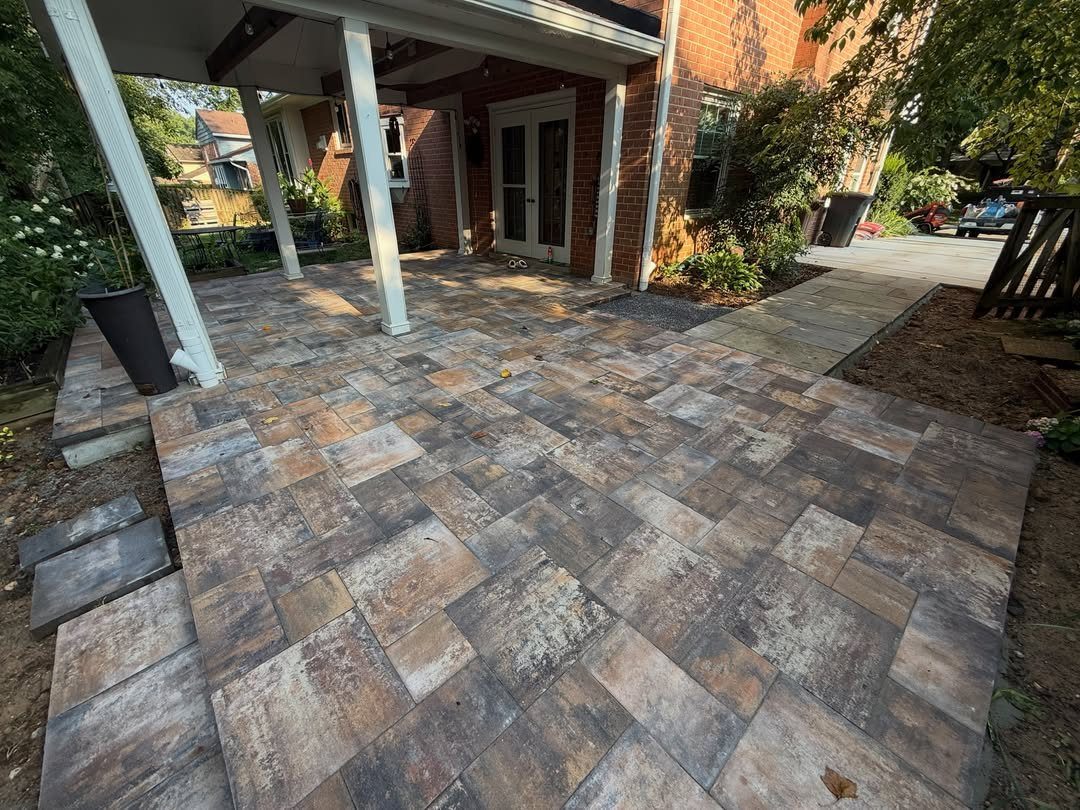
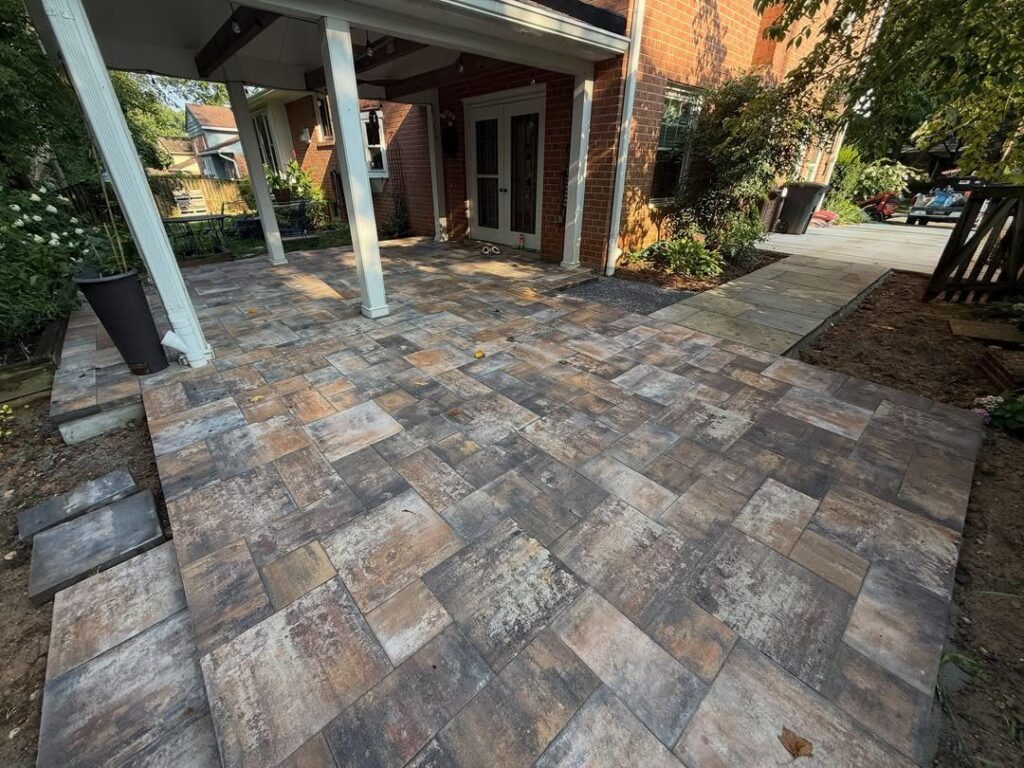
A paver patio is the closest a DIY build gets to permanence without pouring concrete.
The visible patio runs multicolored stone from under a covered porch straight into the yard, which tells me the base was excavated and leveled first, then filled with compacted gravel and sand before stones went down.
That prep is what keeps it flat after winter freezes. I would budget a full weekend for anything that size, and rent a plate compactor; hand-tamping reads as a saving but costs you level stones by May.
The average home owner working with one or two other people should be able to install a 12-foot-square patio with stone-like pavers in one weekend.
2. DIY Painted Patio Floor
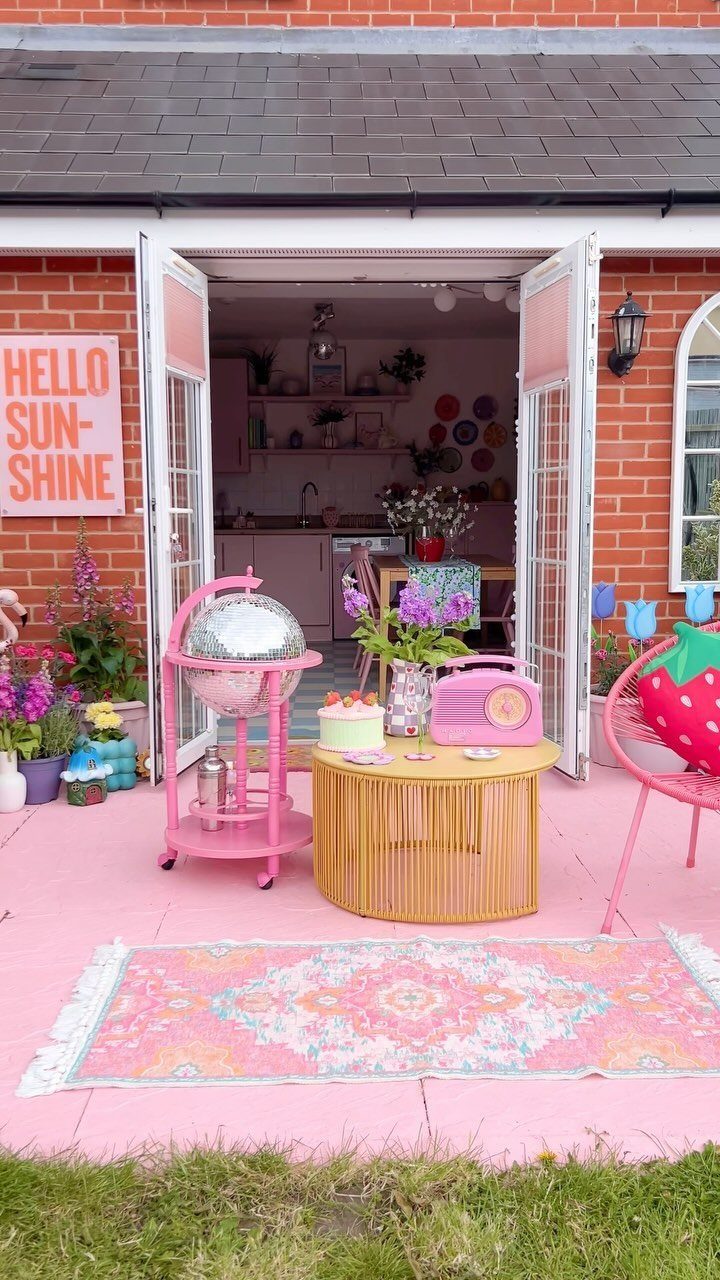
Painted concrete is how you reclaim a slab that came with the house and looks like it.
The visible patio runs pink across every paver, which only works because the surface was cleaned and etched first, then primed with masonry primer before the color coat.
I would use porch and floor enamel, not exterior wall paint; the difference is a few dollars per gallon and years of adhesion.
A painted floor shows every chip, so I prefer it for covered or lightly used areas rather than the main cooking space.
3. DIY Pallet Furniture Patio Seating
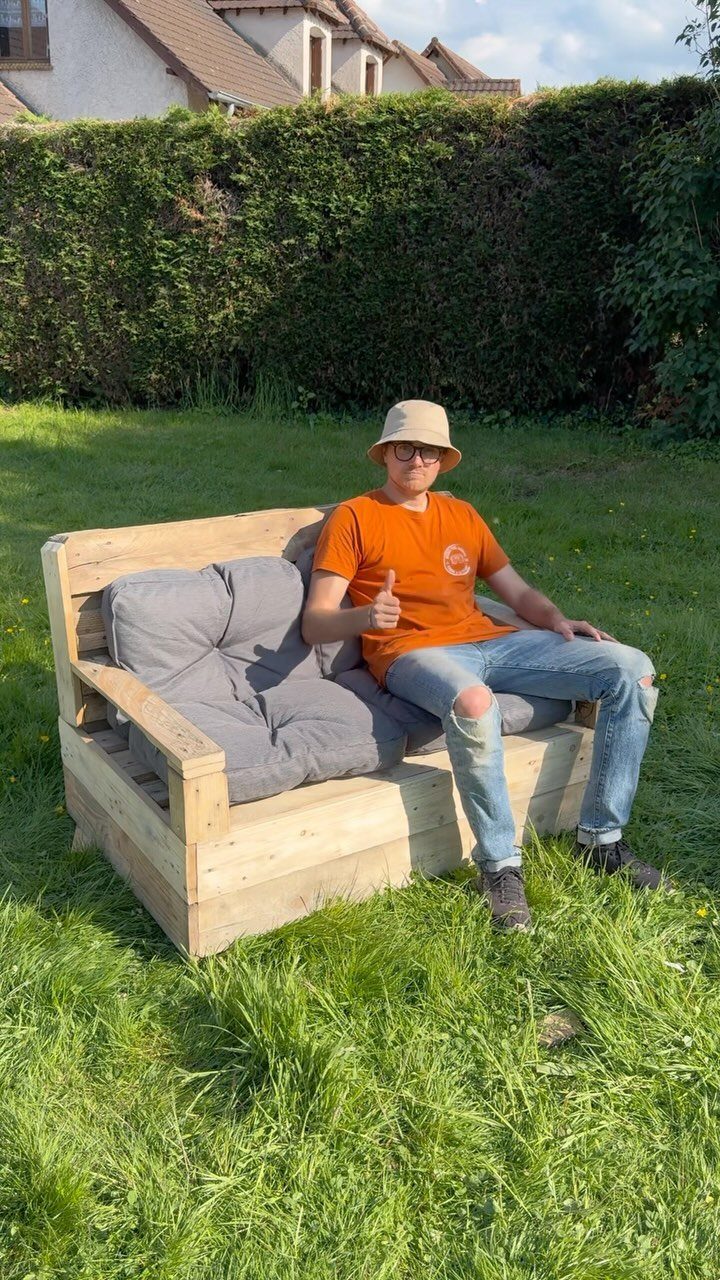
Pallet sofas are the fastest seating a beginner can assemble without owning a table saw.
The visible build keeps the pallet frame exposed and tops it with thick gray cushions, which means the pallets were heat-treated, not chemically fumigated; look for the HT stamp.
I would sand the tops smooth and seal with exterior polyurethane, otherwise splinters find you through the cushion before long. Two standard pallets make a loveseat, three a sofa with a shallow L if you add a corner brace.
4. DIY Gravel Patio
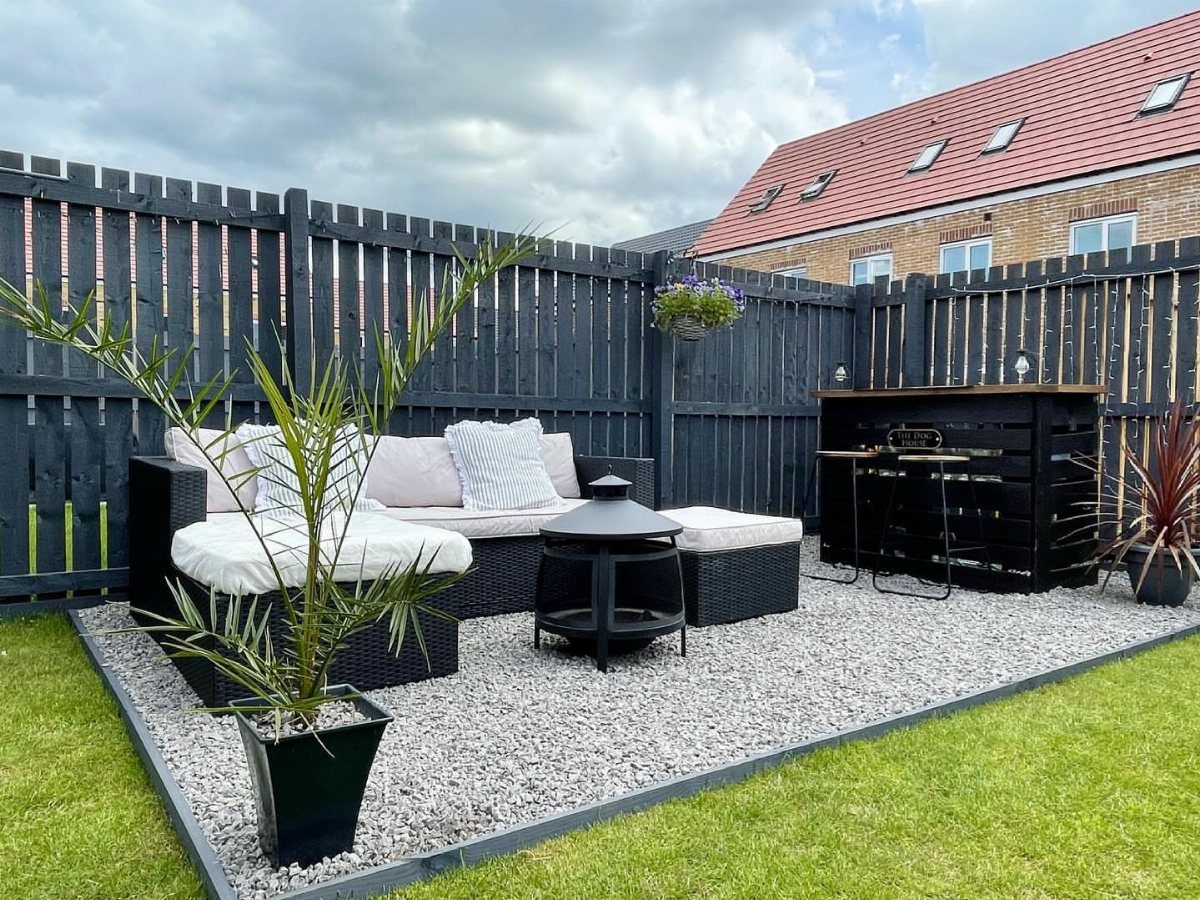
Gravel is the lowest-labor patio surface that still drains and stays put.
The visible build borders the gravel with wood and sets black wicker furniture on top, which tells me the gravel is likely crushed stone over landscape fabric, with edging to keep it from migrating into the lawn.
I would go deep enough for stability underfoot, and use steel or pressure-treated lumber edging rather than plastic; the cost difference is small on a pad that size. Gravel settles in a season, so I would overfill slightly at first.
5. DIY Stepping Stone and Gravel Patio
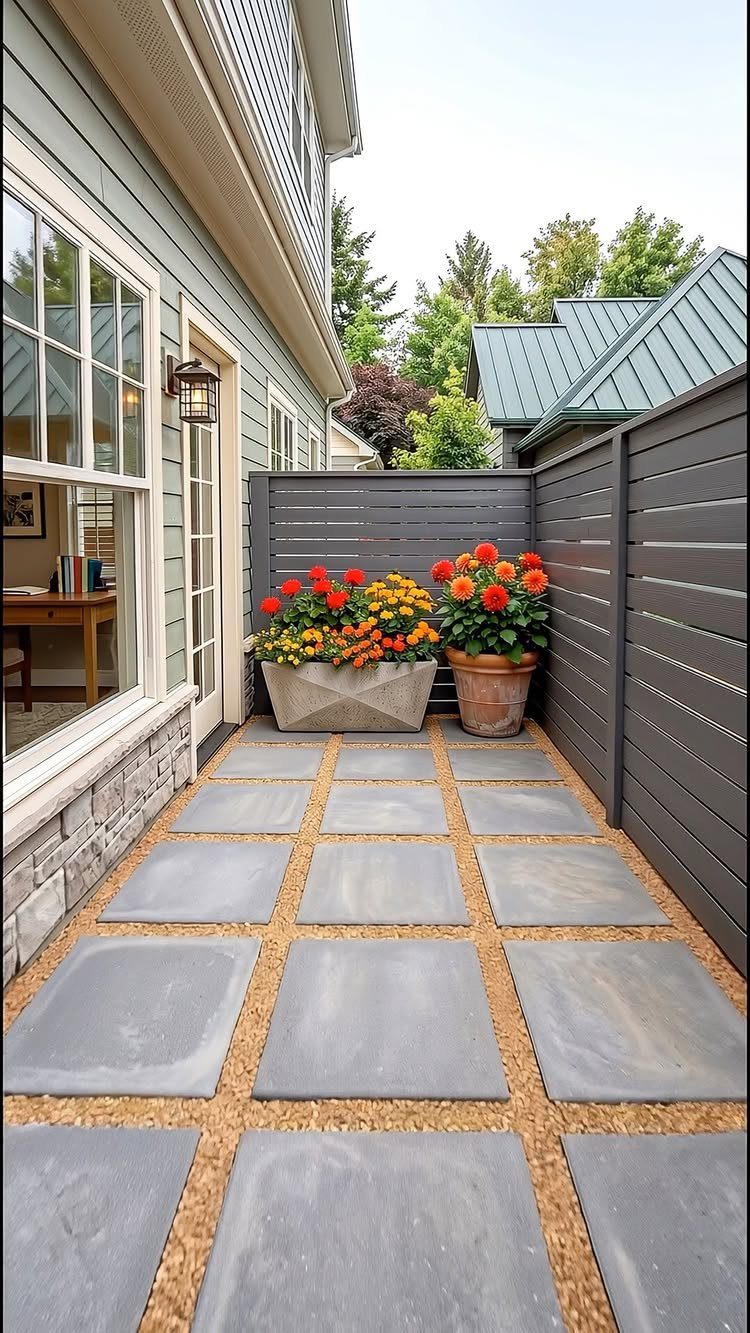
Stepping stones with gravel between them give you a walkable surface that still reads as garden, not yard.
The visible layout spaces square gray pavers in a grid with tan gravel filling the joints, which means the base is compacted and likely edged to keep the gravel from washing out.
I would set pavers at a natural stride length apart, and keep the gravel level with the stone tops so chairs or tables can bridge both.
The look suits narrow runs against a house where a solid patio would feel like afterthought.
6. Outdoor Rug Styling
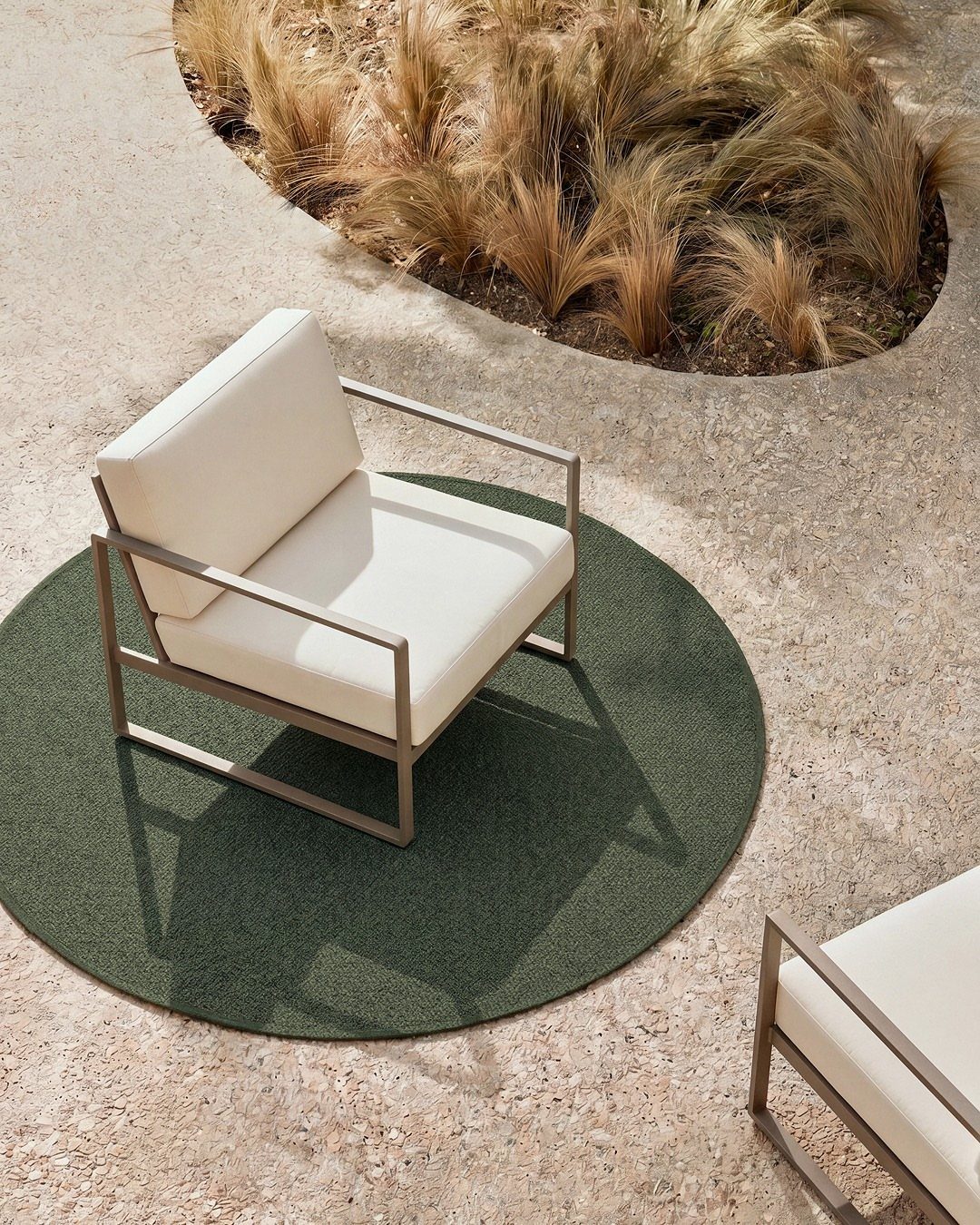
An outdoor rug is the fastest way to make concrete feel like a room.
The visible setup centers a circular dark green rug under a single white-cushioned armchair, which only works because the rug is polypropylene or another synthetic that drains and resists mildew; natural fiber rots in weeks.
I would size the rug so all chair legs sit on it, not just the front two, which usually means going larger than you first think for a pair of armchairs.
Shake it out weekly, and store it dry before the first freeze to extend the season.
7. Patio Swing Lounge
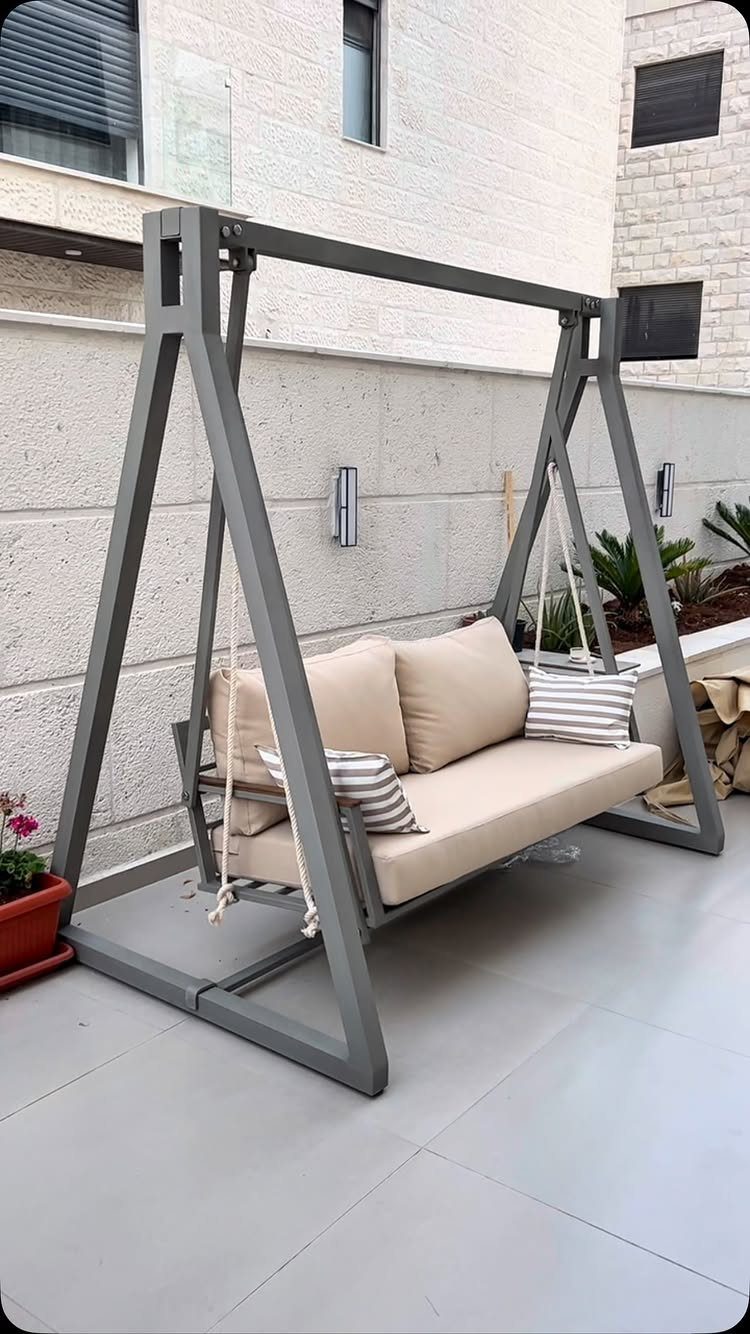
A freestanding swing gives you the motion of a porch without finding a beam to bolt into.
The visible frame is steel, not wood, which means it will outlast cushions by years; plan on replacing those every two or three seasons if they stay out.
I would set this on a surface that stays level, since a swing frame rocks and any tilt multiplies.
The footprint is larger than a chair, so I would measure before ordering; most need room to swing forward and back without hitting a wall or railing.
It suits patios where you want one seat to read or nap, not a crowd.
Choosing Materials
I would think about freeze-thaw cycles before I thought about looks. Water gets under anything loose, expands when it freezes, and pushes your surface out of flat by spring.
A solid base of compacted gravel matters more than the top layer you see. In wet climates, I would favor drainage over polish; in dry ones, you can get away with less prep.
For a weekend build, I would stick with what I can lift and place by hand: pavers or gravel over a prepared bed.
Natural stone is beautiful, but irregular flagging will stretch your timeline by days and leave you sore from the weight.
Furniture Options
Pre-loved outdoor furniture shows up on local resale sites and in thrift stores more often than most people check.
The pieces that last are usually steel or solid wood; I would pass on anything with visible rot or bent frames that will not sit flat.
Paint is the fastest way I know to make tired outdoor furniture readable again. I wash it down first, sand every surface that will show, prime what needs it, then roll or brush the color on.
Painter’s tape and a second color can give you color blocking if you want something sharper than a single shade.
Creating Ambiance
Lighting is what turns a patio from daytime usable to evening habitable. Solar fixtures have improved, but I would still place them where they get direct sun for most of the day; shaded corners stay dark.
For shade, I would plan before I planted.
A mature tree takes years; a sail or umbrella gives cover this season. Store cushions and rugs dry before the first freeze, and they will open next spring ready to use.
Frequently Asked Questions
What is the cheapest material to make a patio?
If you need a floor for almost nothing, crushed gravel spreads with a shovel and compacts into a surface water runs through instead of pooling on.
It needs only a cleared bed, landscape fabric, and edging to keep it from spreading into the lawn. Pavers cost more up front and take longer, but they handle chairs and grills without shifting underfoot.
What to put in an outdoor patio?
Start with seating you can actually use: pre-loved steel or solid wood pieces from resale sites, refreshed with paint if they look tired.





